When introducing new fish to your aquarium, the acclimation process is crucial for their health and wellbeing. Did you know that improper acclimation can lead to stress, illness, or even death? Understanding how long to float your fish before adding them to their new tank can make all the difference in ensuring a smooth transition and a thriving underwater environment.
Whether you’re a seasoned aquarist or a first-time fish owner, knowing the right steps to acclimate your aquatic friends is essential for their survival. Your goal is not just to keep fish alive but to create a vibrant ecosystem where they can flourish. This process involves more than just a quick toss into the tank; it requires thoughtful preparation and patience.
In this article, we’ll delve into expert advice on the optimal duration for floating fish before they enter their new home, along with essential tips to minimize stress and promote a healthy habitat. Continue reading to discover the secrets of successful acclimation and set the stage for a thriving aquarium.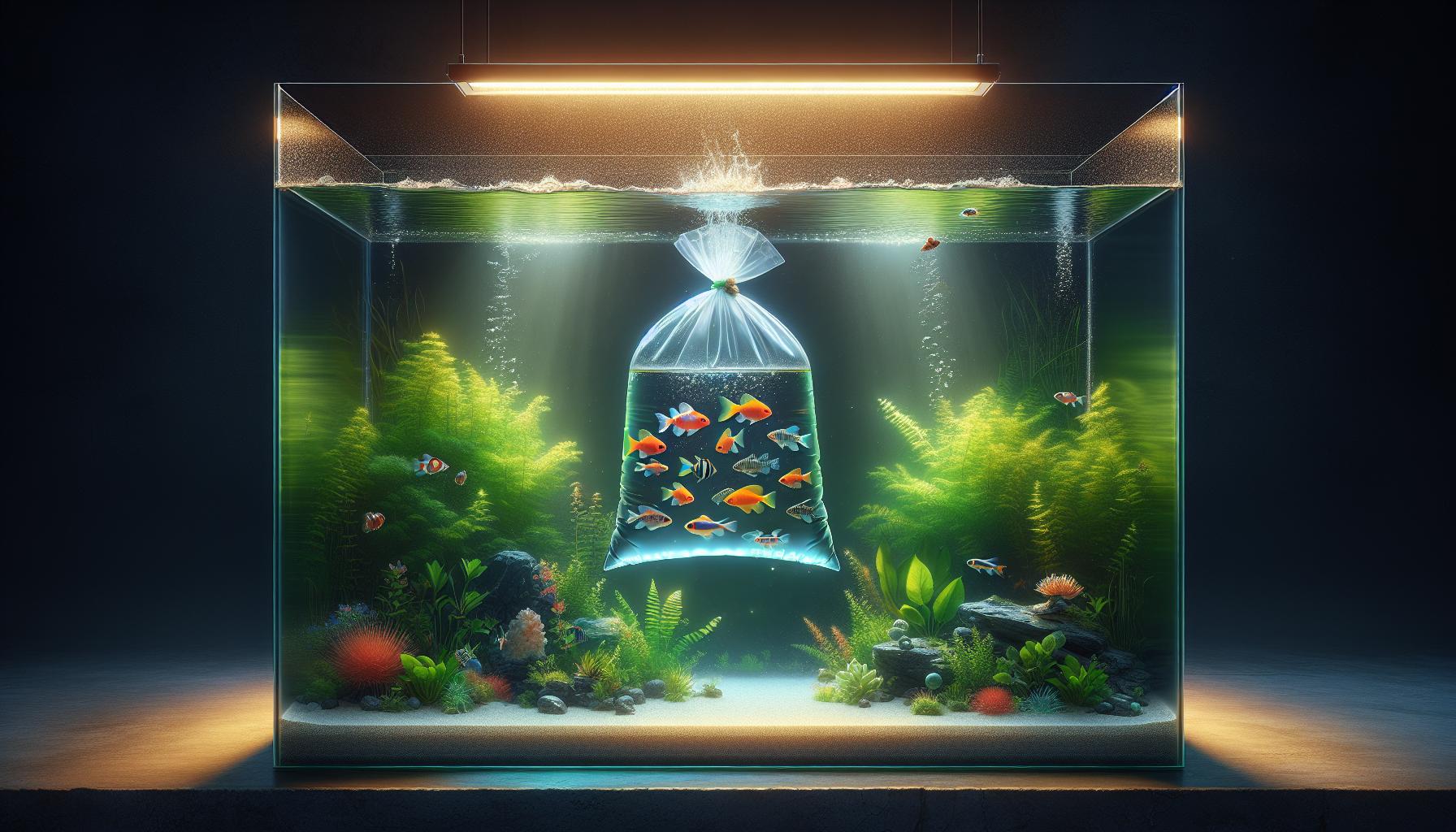
How Floating Affects Fish Health and Safety
Floating fish in their transport bags before adding them to a new aquarium is more than just a procedural step; it is a crucial practice that significantly affects their health and safety. When fish are acclimatized through floating, they gradually adjust to the temperature and chemistry of their new environment, which can prevent shock from sudden changes. This process is particularly important given that fish experience stress just like any other animal, and stress can lead to severe health issues or even mortality if not managed properly.
The act of floating primarily serves to mitigate the drastic differences in water temperature that usually exist when transitioning fish from a store or original habitat to a new aquarium. For instance, a fish residing in water that is a few degrees colder or warmer than what it is used to may become lethargic or overly active, both of which are signs of stress. Maintaining a gradual temperature transition is key, as it helps stabilize the fish’s metabolic rate. Any sudden spikes or drops can cause shock, leading to fatal outcomes, especially in sensitive species like bettas or discus.
Increasing the floating time allows fish to acclimate to not just the temperature, but also the water chemistry, including pH and salinity levels. A mismatch in these parameters can lead to osmotic pressure changes, where fish struggle to regulate fluids within their bodies. To combine comfort with practicality, a thorough float should ideally last from 15 to 30 minutes, depending on the species being introduced. This not only reduces stress levels but also promotes a stronger immune response.
Incorporate the following tips to enhance the acclimation experience for your new fish:
- Ensure the floats are within the water surface, not fully submerged, allowing ease of water exchange.
- Open the bag periodically to let the water from the tank mix gradually with the bag water, enhancing the acclimation effects.
- Avoid overcrowding; one or two fish at a time ensures they have sufficient space to adjust.
By understanding the critical role floating plays in the acclimation process, fish keepers can significantly improve the chances of their new inhabitants flourishing in their new environment. Proper acclimation can be seen not only as an investment in the health of the fish but also enhances the overall liveliness and aesthetic appeal of the aquarium, benefiting both the fish and the aesthetics of your aquatic setup.
Understanding Acclimation: Why It Matters
Acclimating fish to their new environment is akin to helping a child adjust to a new school; it requires time, patience, and understanding. When fish are introduced to a new aquarium, they encounter not only a different temperature but also variations in water chemistry, which can be overwhelming. This adjustment period is critical for their well-being and lays the foundation for their health in the long run.
Stress caused by inadequate acclimation can lead to a host of issues, from reduced immunity to susceptibility to disease. The delicate balance of pH, hardness, and salinity can significantly impact a fish’s health, especially in species that are naturally sensitive. For instance, introducing fresh water to saltwater species or vice versa without proper acclimation can lead to osmotic shock, often resulting in mortality. By focusing on the acclimation process, fish keepers empower their aquatic life to better adapt and thrive in their new surroundings.
Recognizing the importance of floating as a primary method of acclimation cannot be overstated. Floating allows for a gradual exchange of temperatures and helps gauge the compatibility of the water chemistry between the aquarium and the transport bag. As the fish float, the outer bag gradually warms up to the tank’s temperature; concurrently, the fish become accustomed to the new environment. Taking the time to perform this process correctly not only benefits the fish but enhances the overall ecosystem of the aquarium, leading to more vibrant colors, healthier behaviors, and harmonious community interactions.
To effectively manage this transition, consider the following actionable steps:
- Choose the Right Location: Float the fish in an area of the tank that is similar in temperature to the bag water.
- Monitor Carefully: Observe the fish for signs of stress or distress during the process. Look for erratic swimming or excessive hiding.
- Introduce Slowly: After floating, gradually mix tank water into the bag over an extended period before fully transferring the fish.
Ultimately, treating fish acclimation with the care it deserves is essential for fostering a thriving aquatic community. By prioritizing this crucial step, you set the stage for a successful introduction, ensuring that your fish will not only survive but flourish within their new habitat.
Step-by-Step Guide to Float Your Fish
Acclimating fish before introducing them to a new aquarium is a pivotal process that can significantly affect their health and longevity. By effectively floating your fish, you set the stage for a seamless transition, reducing stress and enhancing their chances to adapt well. The floating method allows for a gentle temperature gradualization, as well as facilitating the necessary acclimation to the water conditions of your tank. Follow this practical guide to ensure you’re floating your fish correctly, providing them with the best start in their new home.
Preparation Before Floating
Before getting started, gather all necessary materials to make the acclimation process as smooth as possible. Here’s what you’ll need:
- A clean aquarium or transport bag with your fish
- Your tank filled with properly conditioned, heated water
- A thermometer for monitoring temperature
- A cup or small container for mixing tank water with the bag water
Once you have everything ready, ensure that the water in your aquarium matches the temperature of the water in the fish’s transport bag. This helps minimize shock for the fish. Ideally, the water temperature should be within one to three degrees Celsius of each other for optimal comfort.
The Floating Process
- Float the Bag: Place the sealed transport bag containing your fish on the surface of your aquarium water, ensuring it is not opened yet. Allow it to float for about 15 to 20 minutes. During this time, the water in the bag will gradually adjust to the aquarium’s temperature.
- Check Temperature: After the floating duration, gently check the temperature of the water in the bag and the aquarium using your thermometer. If both temperatures are compatible, proceed to the next step.
- Begin Water Mixing: Open the bag and carefully scoop out approximately one cup of aquarium water using a small container. Slowly pour this tank water into the bag with the fish. This process should be done gradually over a span of 20 to 30 minutes. Repeat this step several times, adding more tank water while allowing the fish to acclimate to the new water conditions.
- Transfer the Fish: Once the bag water has been sufficiently mixed (after about 30-40 minutes), use a net to gently transfer the fish into your aquarium without pouring the bag water into the tank. This will prevent potential contaminants in the transport water from entering your aquarium.
Post-Transfer Tips
After your fish have settled into their new environment, observe them closely for the next few hours. Look for signs of stress, such as rapid gill movement or hiding excessively. Ensure the tank conditions remain stable, with appropriate oxygen levels and no abrupt changes in water quality. This careful process will significantly reduce the risk of health issues, allowing your fish to acclimate successfully and thrive in their new community.
By embracing this step-by-step approach to floating your fish, you contribute to their overall wellness and create a harmonious aquarium environment that thrives on careful planning and respectful transitions.
Ideal Timing: How Long Should You Float?
Floating your fish before introducing them to a new aquarium is a critical moment that requires careful attention to timing. The ideal duration for floating not only sets the stage for temperature acclimation but also plays a significant role in the overall health and safety of your aquatic friends. A common guideline is to float your fish for about 15 to 20 minutes, but this is just the starting point for a successful transition.
After the initial floating period, it’s essential to check the temperature of both the transport bag and your aquarium. If they are within a compatible range, you can begin the next phase of acclimation. However, timing doesn’t end there. Incorporating gradual water mixing over 20 to 30 minutes allows fish to slowly acclimate to any differences in water chemistry, which can significantly reduce stress and the risk of shock. This meticulous process can make all the difference, particularly for sensitive species or those already vulnerable due to transportation.
For more delicate fish varieties, extending the floating time or repeating the water mixing process several times may be beneficial. This extra care can enhance their comfort and resilience in adjusting to the new tank environment. It’s crucial to also remain patient, as rushing this acclimation can lead to health complications down the line.
In conclusion, understanding the importance of timing and taking the necessary steps can ensure our aquatic companions thrive in their new homes. By balancing both temperature acclimation and water chemistry adjustments over the right period, you set them on a path toward a healthier, stress-free existence in your aquarium. Adhering to these guidelines fosters not just the immediate well-being of your fish but lays the foundation for a flourishing aquatic lifestyle under your care.
Common Mistakes When Floating Fish
While introducing new fish to your aquarium, proper acclimation is crucial, yet it’s easy to fall into common traps that may jeopardize their health. Many enthusiasts underestimate the significance of the floating period, skipping vital steps out of impatience or misunderstanding. Floating your fish isn’t merely a matter of placing them in the water-it’s a delicate process that requires attention to detail and an understanding of fish behavior.
One of the most prevalent mistakes is failing to adequately monitor the temperature. Fish can be sensitive to rapid temperature changes, and immediately transferring them from the transport bag to the tank can result in thermal shock. Always ensure that the temperature between the transport bag and your aquarium is comparable before proceeding with further acclimation. A quick temperature check using a reliable thermometer sets the foundation for your fish’s comfort.
Another frequent error is not allowing sufficient time for water mixing. Many newcomers might think that 15 minutes of floating is adequate before combining the water in the transport bag with that of the tank. This could not be further from the truth. The gradual integration of water from both environments-over a period of 20 to 30 minutes, preferably in small increments-helps fish adjust to differences in salinity and pH levels, which are critical factors in their overall health. Skipping this step or hurrying through it can lead to severe stress, making fish more susceptible to diseases or shock.
Moreover, many aquarists overlook the specific needs of different species. Sensitive fish varieties, such as certain types of Tetras or Angels, require extra care during acclimation. Failing to recognize their needs may lead to severe health issues or even mortality. It’s essential to research the species you are introducing thoroughly and adjust your acclimation process accordingly.
In addition, neglecting to check the water quality in both environments can lead to complications. Conducting tests for ammonia, nitrite, nitrate, and pH can provide invaluable insights before floating begins. If there are significant discrepancies, you may need to take additional measures to ensure both environments are as compatible as possible.
To enhance your confidence and effectiveness with acclimation, keep these crucial tips in mind:
- Always monitor temperature using a reliable thermometer.
- Take your time with water mixing-don’t rush the process.
- Research the specific needs of each fish species you introduce.
- Test and match water chemistry before floating.
In conclusion, acknowledging these pitfalls serves as an excellent starting point for first-time aquarium owners and seasoned professionals alike. By avoiding these common mistakes, you not only ensure a smoother transition for your new fish but also foster a thriving aquatic environment. Ultimately, patience and diligence in the acclimation process translate into healthier fish and a more vibrant aquarium ecosystem.
Signs Your Fish Are Ready for Tank Introduction
When observing your fish during the floating acclimation process, keen attention to their behavior can provide vital clues about their readiness for introduction into the tank. Fish exhibit various physiological and behavioral signs that indicate they have successfully adapted to their new environment. For instance, if your fish are swimming actively and demonstrating curiosity- darting around their bag or peering towards the tank- it’s a positive indication of their comfort levels. Conversely, lethargy, hiding, or abnormal swimming patterns can signify distress or discomfort, suggesting that they may need more time in the acclimation process.
One key aspect to monitor is the fish’s response to light and movement. Newly introduced fish often exhibit stress responses when exposed to unexpected changes. If your fish begin to explore the transport bag, moving towards the surface to inspect their new surroundings while displaying relaxed fin movement, this is a promising sign. In contrast, persistent hiding or staying at the bottom of the bag-especially if they exhibit rapid gill movement or erratic swimming-could mean they’re still adjusting to the temperature and water chemistry changes, warranting further floating time.
It’s essential to keep in mind that species-specific characteristics can play a role in their readiness. Some fish, particularly sensitive species like Clownfish or certain Tetras, may require prolonged observation due to their inherent stress levels. Understanding their typical behaviors can help in deciphering their comfort zone. It’s beneficial to spend a bit more time researching the species you’ve introduced, as tailored acclimation strategies may amplify their readiness for tank introduction.
In summary, the transition from bag to tank should not solely hinge on time elapsed. Observing the clues your fish provide is crucial in making this decision. As you become more accustomed to the process and the behavior of your aquatic friends, it will not only enhance your confidence but also deepen your bond with their well-being. Ideally, ensure that your fish display signs of comfort-such as active swimming and a relaxed demeanor-before making the leap into their new home. By being meticulous and patient, you’re well on your way to nurturing a thriving aquatic ecosystem.
Temperature and Salinity Adjustments Explained
Adjusting temperature and salinity during the acclimation process is crucial for ensuring your fish’s successful transition to their new environment. Fish are ectothermic creatures, meaning their body temperature adjusts to the surrounding water. Consequently, rapid changes can lead to stress or even shock, underscoring the importance of a well-planned acclimation strategy.
When it comes to temperature, a safe range is generally within 1-2 degrees Fahrenheit (or approximately 1-2 degrees Celsius) compared to the water in the bag. To achieve this, float the fish bag in the tank for 15-30 minutes to gradually equalize the temperature. You can then introduce small amounts of tank water into the bag, allowing your fish to experience a slow mixing of environments. Repeat this step every 10-15 minutes for about an hour, gradually increasing the volume of tank water to spare the fish from any sudden shifts.
Salinity adjustments are particularly relevant for marine fish. A difference in salinity between the bag water and the tank can be impactful. If you have freshwater fish, you won’t need to worry, but for marine species, it’s essential to ensure a gradual adjustment. Aim to alter salinity slowly-generally no more than 0.002-0.003 specific gravity units per hour. This can be accomplished through a process called drip acclimation, wherein you create a slow trickle from the tank into the bag. Not only does this help mitigate stress, but it can also ease the fish into the new water chemistry, enabling them to adapt more seamlessly.
In summary, by carefully monitoring and adjusting both temperature and salinity, you set the stage for a healthier, stress-free transition for your fish. By prioritizing these adjustment processes, you not only enhance their well-being but also contribute to a flourishing aquatic ecosystem that reflects your commitment to responsible aquarium practices.
Tips for a Stress-Free Transition to the Tank
To ensure a smooth introduction for your fish into their new tank, the acclimation process is not only essential but can also be a soothing experience for both the fish and the aquarist. A well-executed transition can significantly enhance the health and well-being of your aquatic pets, reducing stress and fostering a thriving environment.
One of the most effective ways to create a stress-free experience is through the floating bag method. Start by placing the sealed bag containing your fish on the surface of the tank water for 15-30 minutes. This gradual warming process minimizes shock from temperature changes. Regularly check the bag, ensuring it does not sink; the fish need to remain buoyant. Once the water temperatures have sufficiently balanced, open the bag and gently introduce small amounts of tank water into the bag every 10-15 minutes. This step-by-step increase in tank water volume helps the fish acclimate to the new environment without overwhelming them all at once.
Another crucial aspect of a successful transition is maintaining a calm atmosphere around the tank area. Fish are sensitive to vibrations and sudden movements. It’s advisable to dim the lights and reduce noise around the tank during acclimation to create a safe haven for the fish. This can be particularly important if you are adding multiple fish or introducing sensitive species that are more affected by their surroundings.
Here are some additional tips to consider:
- Monitor Behavior: Observe the fish closely for signs of stress or discomfort. If they seem overly agitated, slow down the acclimation process.
- Provide Shelter: Before introducing new fish, ensure the tank has ample hiding spots-like plants, caves, or decorations. This helps your fish feel secure during their transition.
- Limit Feeding: Withhold feeding for the first 24 hours after adding them to the tank to allow your fish to settle in without the added stress of competing for food.
- Be Patient: It may take some time for your fish to fully adapt. Allow several days for the new inhabitants to acclimate to their environment before making any further adjustments.
By taking these steps, you not only foster a smoother transition for your aquatic creatures but also embody the principles of good stewardship and responsible aquarium practices. Being proactive in your approach enhances your aquarium’s ecosystem and ensures your new fish thrive in their forever home. The journey of acclimation, when handled with care and attention, can be just as rewarding as the vibrant display your tank will soon become.
Advanced Techniques for Sensitive Species
Sensitive fish species, such as angelfish, discus, and certain types of wrasses, require more than just standard acclimation techniques to ensure their health and well-being upon entering their new environment. Understanding their unique needs can significantly influence their transition success. These delicate creatures can easily succumb to stress-related illnesses if not handled with utmost care during the acclimation process.
To enhance the acclimation journey for sensitive fish, consider applying the following advanced techniques:
Gradual Water Mixing
Begin the acclimation process by employing the floating method, as discussed earlier. However, the next stage is crucial. Instead of introducing small amounts of tank water every 10-15 minutes, gradually increase your contributions over a longer period, say 30 minutes to an hour. This slow mixing technique allows the fish to adjust more comfortably to the new water chemistry, which can be vital for sensitive species. Aim for a water mix ratio of 1:3 in favor of tank water during the initial stages, adjusting as the fish seem more comfortable.
Utilizing a Drip Method
For fish that are particularly prone to stress, the drip acclimation method is highly recommended. This involves using a length of tubing to create a siphon effect. Begin by cupping the fish in their original water, then set up a slow drip from the tank to the bag – approximately 1-2 drips per second. Allow this process to run for an hour or longer, ensuring the fish gradually adapt to both the temperature and water chemistry. Once the bag is full, gently net your fish and place them into the tank. This method significantly reduces the risk of shock due to abrupt environmental changes.
Maintain a Stable Environment
Creating a calming environment around the tank is even more critical when dealing with sensitive species. Consider the following precautions to protect their mental health:
- Reduce Lighting: Dim or turn off the lights in the room to prevent any sudden brightness that may startle the fish.
- Minimize Noise: Keep conversations quiet and avoid any loud activity to reduce stress triggers.
- Introduce Tank Mates Carefully: If introducing multiple fish, do so one at a time. This staged introduction helps maintain a peaceful environment, preventing potential aggression or overwhelming stress.
- Use Stress-Reducing Additives: Consider water conditioners or stress relief formulas available at pet stores. These can provide a calming effect on fish during transition.
Monitoring Post-Acclimation
After your sensitive fish have been introduced to their new habitat, closely monitor their behavior for the first few days. Elevated energy levels, hiding, or abnormal swimming patterns could indicate stress. Maintain stable water parameters, and be prepared to adjust conditions if necessary.
Embarking on a fishkeeping journey requires commitment and knowledge, especially when dealing with sensitive species. Adopting these advanced acclimation techniques not only ensures a smoother transition for your aquatic friends but also reinforces your dedication to their welfare, leading to a flourishing and harmonious aquarium. As you nurture their settling-in phase, the addition of vibrant life to your tank will become an immensely rewarding experience.
Post-Acclimation Care for New Tank Residents
Introducing new fish to your aquarium is a thrilling experience, but the post-acclimation phase is critical for ensuring their long-term health and happiness. Once your fish are settled in and swimming in their new habitat, your role as an aquarist doesn’t end; it transforms. Effective post-acclimation care can be the difference between a thriving aquarium and one plagued by stress or illness.
To start, it’s essential to monitor water parameters closely during this period. Consistency is key, so test for temperature, pH, ammonia, nitrites, and nitrates regularly. Sudden fluctuations can be detrimental to fish, especially if they have just gone through an acclimation process. Maintain stable conditions to help your new residents adjust. If needed chemicals or products are needed to reach optimal values, measure and adjust in small increments to avoid shocking the fish.
Next, pay attention to the behavior and health of your new tank mates. Initially, it’s common for new fish to exhibit hiding or subdued activity as they adjust. However, watch for any signs of stress such as erratic swimming, gasping at the surface, or changes in eating habits. These symptoms could indicate underlying issues like improper water conditions or even aggression from existing fish. Be ready to intervene when necessary, as timely actions can prevent health issues from escalating.
Feed your new arrivals carefully during this adjustment phase. Offer small amounts of high-quality, species-appropriate food to entice them to eat and build up their strength. Observe their feeding behavior and remove any uneaten food promptly to prevent pollution in the tank. Start with a diet that reflects their natural feeding habits, adjusting as you learn their preferences over time.
Lastly, consider employing stress-reducing practices to create a nurturing environment. Introducing hiding spots or plants can provide your fish with places to feel secure. Dimming the lights during the first few days can also help reduce stress levels. Furthermore, avoid excessive tank maintenance, such as large water changes or decor alterations, which could disrupt their delicate adjustment period.
In this essential phase of your fishkeeping journey, patience is vital. By closely monitoring conditions, being aware of behavioral changes, ensuring proper nutrition, and creating a peaceful environment, you will set the stage for your new arrivals to flourish. Your commitment during this transitional time will reward you with vibrant, healthy fish that enliven your aquarium for years to come.
The Role of Water Chemistry in Acclimation
Acclimating new fish requires more than just patience; it hinges significantly on the intricacies of water chemistry. Understanding how different chemical parameters interact with each other and affect your fish can significantly smooth the transition. Fish are particularly sensitive to changes in their environment, so establishing the right chemistry not only promotes immediate well-being but also lays the foundation for long-term health.
One of the first steps in acclimation involves closely examining a few essential water parameters-temperature, pH, hardness, ammonia, nitrites, and nitrates. Each of these elements plays a crucial role:
- Temperature: Fish have specific temperature ranges they thrive in. A sudden shift could induce shock. Aim for gradual adjustments over time, ideally keeping changes to no more than 1 degree Fahrenheit per hour during acclimation.
- pH: Different fish species prefer different pH levels, and significant disparities can cause stress. Ideally, aim to match the pH of the newcomer’s water with that of the tank to avoid unnecessary stress.
- Hardness: This refers to the concentration of calcium and magnesium in the water. Many fish species prefer specific levels of hardness, so during the acclimation phase, ensure your tank is within these preferred ranges.
- Ammonia, Nitrites, and Nitrates: These compounds indicate biological activity in the tank. Ammonia and nitrite should be kept at zero, as they are toxic even in minuscule amounts. Nitrate should be maintained below 20 ppm. Regular testing, especially after introducing new fish, can help keep these levels in check.
Testing and Adjustments
Before floating your fish, it’s crucial to accurately measure these parameters in both the transport bag and the aquarium. If discrepancies arise, consider employing methods such as:
- Drip acclimation: This involves slowly introducing tank water to the bag using a siphon method. It minimizes shock by gradually blending water chemistry.
- Water change: Should the fish arrive in water with highly unfavorable conditions, perform water changes on their side of the transport bag to help re-establish a balanced chemical composition.
Chemical Stability During Acclimation
Consistency is vital during the acclimation process. Ensure your tank’s water chemistry remains stable by:
- Testing regularly: Keep a reliable test kit on hand for regular monitoring.
- Utilizing buffer solutions: These can help maintain pH and hardness levels, ensuring the environment stays conducive for your fish.
- Being cautious with dechlorinators: While they are essential for treating tap water, make sure not to over-treat as it might lead to fluctuating parameters.
By understanding and attentively managing the water chemistry during acclimation, you are not only safeguarding your fish’s initial transition but also establishing a thriving habitat that promotes growth, health, and longevity. The goal is a harmonious aquarium that allows aquatic life to flourish while minimizing stressors that can hinder health.
When to Seek Expert Advice on Fish Acclimation
When embarking on the journey of fishkeeping, it’s crucial to recognize that some challenges may lie beyond your current knowledge or experience. Many aquarists may find themselves at a crossroads during the acclimation process, especially when their aquatic companions display unexpected symptoms or if the environmental parameters don’t seem to be aligning. Knowing when to seek expert advice can be a game-changer, ensuring the health and safety of your fish and the success of your aquarium.
It’s essential to reach out for help if you ever feel overwhelmed or confused regarding the acclimation process. Signs that you should consider consulting an expert include persistent inconsistencies in water parameters despite your best efforts, visible signs of distress in your fish-such as unusual swimming patterns, gasping at the surface, or lethargy-or if you’re introducing delicate species that require a more nuanced acclimation approach. Remember, some fish can be more sensitive to changes than others; for example, certain reef fishes or rarer species may need specialized care. Engaging a knowledgeable aquarist or a local fish store can provide tailored advice based on their experiences, which can be invaluable.
Practical Tips for Engagement
When seeking expert advice, consider the following practical steps to ensure you receive the most effective guidance:
- Document your parameters: Before reaching out, be ready to provide detailed information on water chemistry, temperatures, and any behavioral observations. This will assist the expert in diagnosing the situation accurately.
- Stay open-minded: Be prepared to receive recommendations that might challenge your current methods. The world of aquaculture is continuously evolving, and expert insights may introduce you to new strategies or products that can better support your fish.
- Invest in workshops or webinars: If you’re venturing into the realm of advanced species or complex biotopes, participating in community events or online seminars can offer depth on acclimation processes directly from seasoned aquarists.
Finding the Right Expert
Not all advice is equal, so it’s critical to find resources that suit your specific needs. Look for local aquarium clubs, reputable online forums, or aquatic veterinary services, specifically those with a focus on fish health. An expert’s experience and practical knowledge can help you troubleshoot problems before they escalate, providing peace of mind during the delicate acclimation phase.
By recognizing the signs that you need expert help and knowing how to engage effectively with those resources, you can cultivate a more robust aquarium environment that prioritizes the health and vitality of your fish. This proactive approach not only enhances your skills but also enriches the overall experience of fishkeeping.
FAQ
Q: How do I know if my fish are acclimating properly while floating?
A: Monitor behavior and activity levels. Healthy fish will remain mostly calm and balanced in the bag without showing signs of distress like gasping or erratic movements. For detailed observations, see the “Signs Your Fish Are Ready for Tank Introduction” section in our article.
Q: Can I add multiple fish to the tank at the same time after floating?
A: While it may be tempting, it’s best to introduce one fish at a time after floating to minimize stress and aggression. This method allows you to better observe each fish’s reaction to the new environment. Refer to “Step-by-Step Guide to Float Your Fish” for more insight.
Q: What should I do if my fish shows signs of stress during acclimation?
A: If your fish exhibits stress like rapid breathing or hiding, return it to the bag for a longer floating period. Maintain a calm environment, and monitor water conditions closely. Check the “Common Mistakes When Floating Fish” section for more tips to reduce stress.
Q: How does water chemistry impact fish acclimation when floating?
A: Water chemistry, including pH and ammonia levels, can significantly affect fish acclimation. When floating, ensure the bag water matches your tank’s chemistry as closely as possible to reduce shock. Learn more about this crucial aspect in “The Role of Water Chemistry in Acclimation.”
Q: Is it necessary to feed my fish after they are acclimated?
A: It’s best to wait at least 24 hours before feeding your fish after acclimation. This approach allows them to adjust to their new environment without the stress of feeding. Visit the “Post-Acclimation Care for New Tank Residents” section for further advice on their care.
Q: How can I manage salinity differences during acclimation?
A: Gradually mix tank water into the floating bag to equalize salinity. Start with small amounts every 5-10 minutes. This method is crucial for marine species. Check our “Temperature and Salinity Adjustments Explained” section for more detailed steps.
Q: Why is temperature important when floating fish before tank introduction?
A: Maintaining temperature stability is crucial, as sudden changes can shock the fish’s system. Ensure both bag and tank water temperatures match within a few degrees. For more on this, refer to “Ideal Timing: How Long Should You Float?”.
Q: When should I seek expert advice on fish acclimation?
A: If you’re experiencing frequent fish deaths or extreme stress behaviors despite following best practices, consider reaching out to an aquarium expert. This is particularly important for sensitive species. Check our “When to Seek Expert Advice on Fish Acclimation” section for guidance on support options.
To Conclude
Now that you’re equipped with expert advice on how long to float fish before adding them to your tank, you’re one step closer to ensuring a safe and healthy transition for your new aquatic friends. Remember, acclimating your fish properly not only enhances their well-being but enriches your aquarium experience. If you’re still unsure about specific species or tank conditions, don’t hesitate to explore our in-depth guides on Aquarium Water Parameters and Choosing the Right Fish for Your Tank.
Ready to dive deeper into aquarium care? Sign up for our newsletter to get tips straight to your inbox, and discover our recommended aquascaping tools that can help create your perfect underwater paradise. Share your thoughts or questions in the comments below-we’d love to hear about your aquarium journeys! Your continued engagement helps foster a vibrant community of enthusiasts just like you. Thank you for joining us today, and happy fishkeeping!