
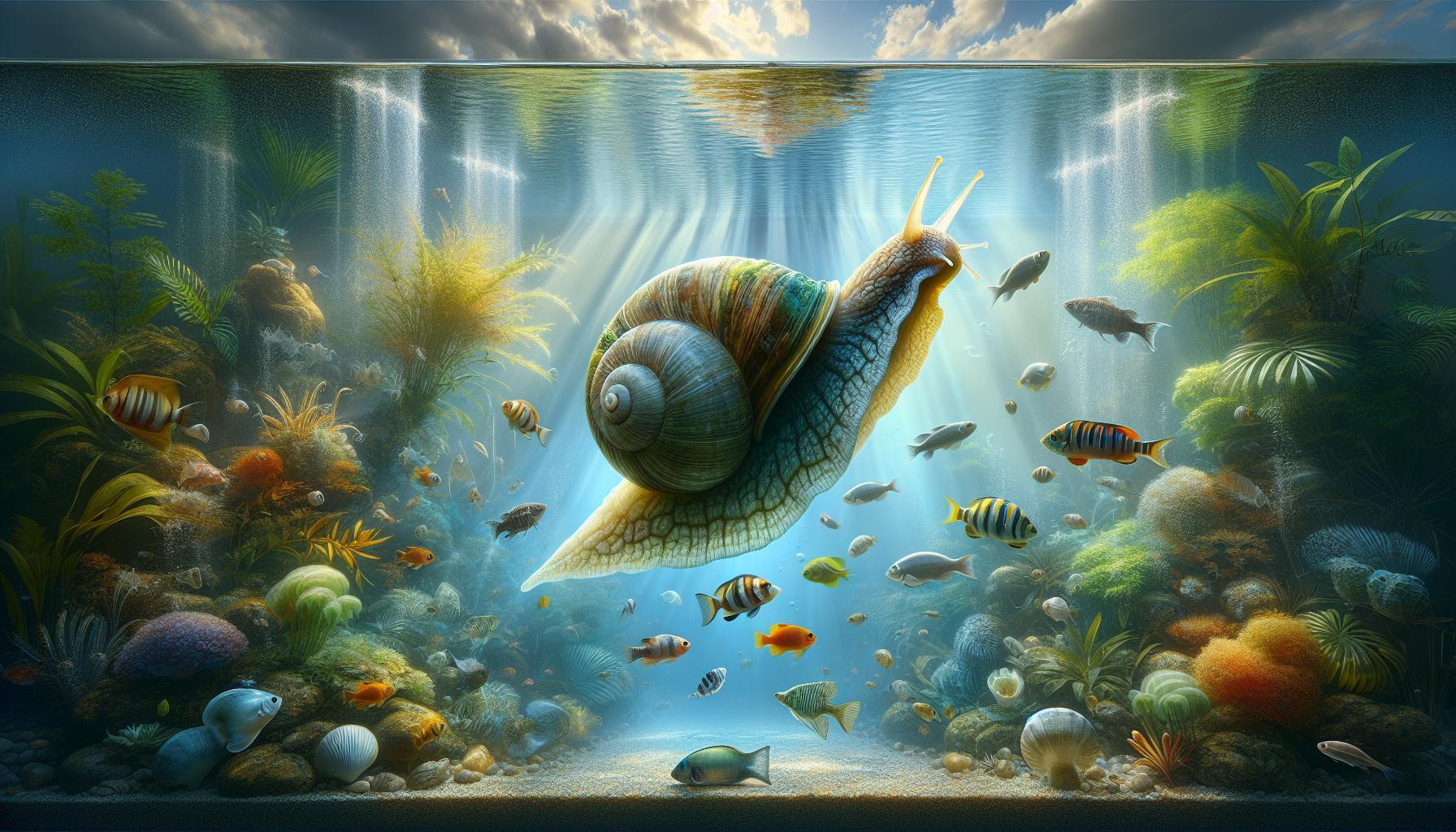

Did you know that snails can actually float in a fish tank? While this might seem surprising, understanding the floating behavior of these creatures is crucial for any aquarium enthusiast. With the right knowledge, you can maintain a thriving aquatic ecosystem that supports both your fish and snails, creating a balanced and harmonious environment.
For many aquarium owners, the health and well-being of all inhabitants are top priorities. Whether you’re a seasoned aquarist or just starting out, gaining insight into the dynamics of your tank-including how snails interact with the water-is vital. Floating snails can indicate water quality issues or stress, which could affect the overall health of your aquarium.
Curious about what floating snails mean for your tank? Join us as we explore the implications, causes, and solutions, empowering you to cultivate a flourishing aquatic habitat. Understanding these dynamics will not only enhance the aesthetic of your tank but also foster a healthier environment for all its residents.
Do Snails Float or Sink in Water? Understanding Buoyancy
Snails are fascinating creatures that may evoke curiosity about their behavior in water. A common question among aquarium enthusiasts is whether these mollusks float or sink in water. The buoyancy of snails is influenced by several factors, including their shell composition, the presence of air in their bodies, and their overall health. While many species of snails tend to sink due to their heavier shells and lack of buoyant adaptations, some individuals may demonstrate floating behavior when affected by specific environmental conditions or physical factors.
Understanding the mechanisms behind the buoyancy of snails can enhance your aquarium experience. Freshwater snails, like the popular nerite or mystery snails, typically descend to the tank floor where they graze on algae or detritus. However, when inflated with air or if they are stressed, snails might float momentarily. This behavior can serve as an indicator of their health. If a snail consistently floats and does not seem to be able to submerge itself, it could be a sign of dysfunction in its buoyancy control, often linked to shell health or overall vitality.
When observing snail behavior in your aquarium, it’s essential to create a nurturing environment. Aquarium conditions, such as water temperature, pH level, and organic matter, play critical roles in snail buoyancy. Snails thrive in stable environments; sudden changes can lead to stress responses, resulting in unusual floating behaviors. Furthermore, if you notice snails frequently floating or struggling to sink back, it may be time to evaluate the tank’s overall health and water quality, ensuring that your aquatic friends are happy and thriving.
By fostering a harmonious environment and keeping an eye on your snails’ buoyancy, you can ensure a vibrant and healthy aquarium ecosystem. This understanding serves not only to satisfy curiosity but also to promote the well-being of these remarkable creatures in your care.
Why Snails Are Popular in Aquariums
Snails have quickly become a beloved addition to many home aquariums, capturing the hearts of both novice aquarists and seasoned hobbyists alike. Their unique appearances, ranging from intricate shells to beautiful colors, make them an aesthetic marvel. But their appeal goes beyond mere looks; snails offer a host of benefits that contribute to a thriving aquatic environment. Understanding why snails are popular can help you appreciate their role in your aquarium while enhancing the overall health of your aquatic ecosystem.
One of the key reasons snails are cherished in aquariums is their natural behavior as scavengers. They help maintain tank cleanliness by consuming organic debris, algae, and uneaten food, which can otherwise lead to undesirable water conditions. Snails, such as the common Nerite and Malaysian Trumpet, are particularly efficient at keeping surfaces clean. This not only helps enhance the visual appeal of your aquarium but also assists in stabilizing water quality, which is crucial for the health of all aquatic inhabitants.
Additionally, snails can be low-maintenance pets, making them an ideal choice for first-time aquarium owners. They require minimal care-generally thriving in a variety of water conditions, with simple feeding needs that often include algae or specialized snail pellets. This low-maintenance aspect is particularly appealing to those who may feel overwhelmed with the demands of larger fish species. Snails can provide a gentler introduction to the world of aquarium keeping for beginners, allowing them to enjoy the beauty of aquatic life without the daunting responsibilities that come with more complex species.
Moreover, the vast variety of snail species available means aquarists can choose snails that not only fit the aesthetic of their tank but also align with their care preferences. From vibrant Pomacea snails to stunning Assassin snails, the options are exciting. Some species can even help control pest populations, like unwanted snail varieties or algae blooms, making them an ecological choice that benefits the entire aquarium.
In summary, the popularity of snails in aquariums stems from their beauty, utility as scavengers, and ease of care. By incorporating snails into your aquatic ecosystem, you’re not only enhancing the liveliness of your tank but also fostering a healthier, cleaner environment for all its inhabitants. Snails truly are remarkable creatures that contribute significantly to the overall wellness of your aquarium habitat.
Choosing the Right Snail Species for Your Fish Tank
Choosing the right snail species for your aquarium can significantly elevate the aesthetic and ecological balance of your underwater habitat. With a plethora of species available, understanding the unique characteristics and needs of each type is crucial for ensuring a harmonious environment. For instance, while some snails are exceptional algae eaters, others may pose a risk due to their potential overpopulation or compatibility with fish species. Unearthing the right fit for your tank can lead to a thriving and picturesque ecosystem.
When considering snails for your fish tank, it’s vital to evaluate both the environmental conditions of your aquarium and the specific traits of the snail species. Here are some popular options to explore:
- Nerite Snails: Known for their striking shells and remarkable algae-eating prowess, these snails can thrive in various water conditions. They don’t reproduce in freshwater, making them an excellent choice for preventing overpopulation.
- Apple Snails (Pomacea spp.): These large, colorful snails are popular among beginners. However, their reproduction can lead to overpopulation if not managed properly, as they lay visible eggs above the waterline.
- Malaysian Trumpet Snails: These are excellent scavengers and are known for maintaining substrate health by aerating it. They are less visually distinctive but can significantly contribute to your tank’s ecosystem.
- Assassin Snails: If you’re dealing with a pest snail infestation, Assassin snails can be your best ally, feeding on unwanted snail species while remaining visually appealing in your tank.
Assessing Compatibility and Needs
When selecting your snails, consider the other inhabitants of your aquarium. Championship in compatibility ensures that your snails and fish peacefully coexist without territorial disputes. For example, many fish species might see smaller snails as treats. Researching the temperament of your fish against the snail species can provide insight into future dynamics. Furthermore, ensure that the selected species aligns with your tank’s temperature, pH levels, and overall water chemistry needs.
For first-time aquarists, starting with snails that are both resilient and low-maintenance, such as Nerite or Malaysian Trumpet snails, can offer a smoother entry into the world of aquarium keeping. It’s also prudent to maintain a balanced tank to meet the dietary requirements of your snails. Simple algae wafers or specialized snail pellets can accommodate their eating preferences, ensuring a healthy diet while contributing to overall tank cleanliness.
In summary, by thoughtfully choosing the right snail species for your aquarium, you not only enhance its beauty but also support a healthier aquatic environment. Remember, each species brings its unique value, so take your time to select snails that will complement both the visual appeal and ecological balance of your fish tank. Your choices will lead to a vibrant, lively aquatic community that flourishes harmoniously together.
Factors Affecting Snail Buoyancy in Aquatic Environments
Understanding how different factors affect the buoyancy of snails in aquatic environments can greatly enhance your aquarium’s ecosystem. Buoyancy, the ability to float or sink, is influenced by a variety of environmental and biological conditions. Snails, like many aquatic organisms, rely on their internal buoyancy regulation mechanisms, which can be significantly affected by water conditions, their physical structure, and even their behavior.
One critical factor is the water’s salinity and temperature. Most freshwater snails are more buoyant in warmer waters, allowing them to float with ease, while colder temperatures can lead to a heavier, sink-prone state. Additionally, changes in salinity can affect the density of water. For instance, adding salt to a freshwater aquarium can increase the water’s density, influencing how easily snails can float. Thus, keeping a close watch on the temperature and salinity levels is paramount for maintaining optimal conditions for your snails.
Another important consideration is the air within the snail’s shell. Snails have a specialized structure called the mantle cavity, which functions as a respiratory system and can also help them regulate their buoyancy. When snails draw water into this cavity or expel it, they essentially manage their floating capabilities. Therefore, a healthy snail will effectively control the air in its shell to maintain buoyancy, while stressed or unhealthy snails may struggle to do the same. Signs of stress can include erratic floatation patterns or difficulty remaining at their optimal water level.
Furthermore, it’s essential to be aware of the dietary factors affecting buoyancy. A snail that is well-fed and healthy will have a better balance, allowing for more effective buoyancy control, reducing the chances of sinking unchecked. Snails that lack essential nutrients may become lethargic and less capable of controlling their positioning in the water. Providing adequate nutrition tailored to the specific species is not just vital for their overall health but also instrumental in their buoyant behavior.
Lastly, the aquatic environment-including the presence of water currents, substrate, and decorations-can all impact how snails navigate their surroundings. For example, a heavily planted tank with varied structural depth can provide the perfect environment for snails to adjust their buoyancy, either by floating among the plants or sinking to the substrate where they can forage. Understanding these factors and how they interact will allow anyone managing an aquarium to not only keep snails thriving but also watch them become an active and engaging part of the aquatic scene.
In summary, the interplay between water conditions, snail physiology, nutritional status, and environmental features plays an integral role in shaping the buoyancy behaviors of snails in your aquarium. By recognizing these elements, aquarium enthusiasts can create a supportive atmosphere for snails, contributing to both their well-being and the overall health of the aquatic ecosystem.
How Snails Contribute to Aquarium Health
In the realm of aquarium care, the presence of snails can offer a host of surprising benefits that extend well beyond their often-overlooked aesthetic appeal. These fascinating creatures play an integral role in maintaining a balanced ecosystem, enhancing both the health of your tank and the flourishing of its inhabitants. For anyone considering introducing snails into their aquarium, understanding their contributions can provide a clarifying perspective on their value as tank mates.
Firstly, snails are meticulous scavengers, actively seeking out uneaten food, decaying plant matter, and algae that can otherwise accumulate and disrupt water quality. By consuming these organic materials, snails help keep the tank clean and minimize the buildup of harmful substances, such as ammonia and nitrates. This natural cleaning process not only reduces the need for frequent tank maintenance but also contributes to a healthier environment for fish and plants alike.
Natural Algae Control
One of the most appreciated contributions of snails is their ability to control algae growth. Species such as the Nerite snail are particularly effective at grazing on diatoms and other algae types, helping to maintain clearer glass and healthier surfaces for both plants and fish. Instead of relying solely on chemical treatments or additional algae-eating fish, introducing a few snails can offer a natural and eco-friendly solution to this common aquarium challenge.
Enhancing Substrate Quality
Moreover, snails play a critical role in aerating the substrate. As they burrow and move through the substrate in search of food, they create spaces that allow water and nutrients to penetrate deeper levels of organic matter. This not only supports healthy root systems for plants but also promotes beneficial bacteria that are essential for nutrient cycling and biological filter action. Such interactions contribute immensely to the stability of the aquatic environment, ensuring that it remains conducive to the health of all its residents.
For aquarium owners looking to enhance their tank’s ecosystem, it’s essential to choose the right species of snail. Varieties like the Malaysian Trumpet snail are particularly helpful in fostering substrate health, while golden apple snails add a distinctive charm while also serving the important role of algae control. There is a strong alliance of benefits among snails, fish, and plants that can lead to an enhanced representation of nature in your aquarium.
By incorporating snails into your aquatic setup, you’re not just adding another layer of beauty; you’re investing in a living filter and natural cleaner. Their presence fosters a symbiotic relationship that allows your aquarium to flourish while reducing your workload. Always keep an eye on your snail population, as they can proliferate quickly, but with mindful management, their contributions will undoubtedly elevate the health and ecological balance of your aquarium.
Preventing Snail Overpopulation in Your Aquarium
Introducing snails into your aquarium can be a rewarding experience, but one must proceed with caution when it comes to managing their population. The rapid breeding capabilities of many snail species can lead to unexpected overpopulation, which can disrupt the balance in your tank and even stress other aquatic inhabitants. Understanding the factors that contribute to snail overpopulation and knowing how to control their numbers is crucial for maintaining a healthy aquatic environment.
One of the primary factors leading to overpopulation is the availability of resources. Snails thrive when there is an abundance of food-be it leftover fish food, decaying plant matter, or algae. Regular tank maintenance to remove uneaten food and debris not only curbs their food supply but also promotes overall water quality. Implementing a feeding schedule for your fish that limits excess nutrition can also help control snail populations. Snails reproduce more vigorously if they are in an environment rich in nutrients and food sources.
Another effective strategy is to select snail species that are less prolific. While the popular Nerite snail is known for its algae-eating capabilities, it is also one of the few types that does not reproduce easily in freshwater environments, as its larvae require saltwater to develop. Incorporating such species into your aquarium can mitigate the risks of overpopulation while retaining the beneficial aspects snails offer. Additionally, maintaining a balanced fish and plant population can help create a more competitive environment, which naturally regulates snail numbers.
Regular Monitoring
Frequent observation of your snail population is key. Invest a few minutes each week to assess their numbers and overall health. Implementing a removal plan, where you physically eliminate excess snails, can be effective. When done consistently, this practice can prevent a minor population bump from escalating into a crisis.
If you find that manual removal isn’t keeping snail numbers in check, introducing natural predators can be a strategic move, but caution is warranted. Certain fish species are known to eat snails, and while they may provide an immediate solution, they can also pose risks to the other delicate species in your tank. Therefore, any introductions should be researched thoroughly to ensure compatibility with existing tank inhabitants.
In conclusion, by combining careful management of resources, the selection of appropriate snail species, regular monitoring, and informed decision-making regarding tank mates, you can maintain a thriving aquatic ecosystem without the complications of snail overpopulation. This proactive approach will not only benefit your snails but will also enhance the overall health and stability of your aquarium.
Safety Considerations for Keeping Snails with Fish
When integrating snails into your aquarium, one of the foremost considerations is the safety and compatibility of these gentle creatures with your fish. Many aquarium enthusiasts may overlook the fact that not all fish species coexist harmoniously with snails, yet understanding these dynamics is essential for fostering a peaceful aquatic environment. For example, aggressive or territorial fish like some cichlid species may nip at snails or even consume them, leading to stress or death of the snails. Thus, choosing the right tank mates requires careful consideration of each species’ temperament and dietary preferences.
To ensure a successful coexistence, it’s crucial to prioritize the safety of both the snails and fish. Here are some essential safety measures to maintain a balanced ecosystem:
- Research Compatibility: Before introducing snails, familiarize yourself with both the snail species and the fish species in your tank. Look for peaceful fish such as guppies, tetras, and certain community fish varieties that generally coexist well with snails.
- Monitor Water Quality: Snails can be sensitive to changes in water parameters. Regularly check pH, temperature, and ammonia levels, as unstable conditions can stress both fish and snails, making them more susceptible to disease.
- Provide Hiding Places: Equip your aquarium with plenty of aquatic plants, rocks, and decorations. These elements not only enhance tank aesthetics but also give snails refuge and reduce direct encounters with more aggressive fish, significantly lowering the risk of predation.
- Choose Snails Wisely: Opt for snail species known for their resilience and compatibility. The aforementioned Nerite snail is a popular choice due to its algae-eating benefits and minimal reproduction in freshwater. Other options include the mystery snail, which is hardy and less likely to be bothered by fish.
Maintaining an eye on behaviors within the tank can go a long way in mitigating potential issues. Observe how your fish react to the introduction of snails. If you notice signs of aggression or interest in snails as food, be prepared to make adjustments, such as relocating vulnerable species or considering different tank mates. Additionally, always have a quarantine plan for any new additions; introducing organisms gradually can help prevent outbreaks of illness or stress caused by sudden changes.
Lastly, remember that a well-fed fish is generally less prone to aggressive behavior. Ensure that your fish are receiving adequate nutrition to deter them from targeting snails out of hunger. Striking a balance between fish and snail populations through careful selection and ongoing management will enhance the serenity of your aquarium while promoting the health and wellbeing of all its inhabitants.
Tips for Maintaining a Balanced Aquarium Ecosystem
Creating and maintaining a balanced aquarium ecosystem can be a rewarding endeavor, especially when snails are incorporated as a part of the aquatic landscape. These creatures not only provide aesthetic beauty but also play a critical role in the health of the aquarium. Their ability to recycle waste and control algae growth fosters a more stable environment for both fish and plants. However, achieving this delicate balance requires careful consideration and a proactive approach.
One of the key aspects of maintaining harmony is ensuring diversity within the tank. Introducing various snail species, such as the Nerite or mystery snail, can not only add visual interest but can also improve the ecosystem’s resilience. Different species occupy varied niches, allowing for more efficient waste processing and efficient algae management. It’s essential to research and select snails that thrive in your specific water conditions and environment, considering factors such as pH levels and temperature compatibility.
Furthermore, keeping a close eye on feeding practices is crucial. Overfeeding fish can lead to excess waste, complicating overall aquarium health. To mitigate this, opt for a diet that aligns with the natural tendencies of both fish and snails. Offer small amounts of high-quality food at regular intervals, observing consumption rates to avoid leftover debris that could pollute the water. In this case, snails can serve a dual purpose: they will consume uneaten food, helping to keep the tank clean, while also benefiting from the nutrients left behind.
Another vital component is the maintenance of stable water parameters. Regular water changes-approximately 10-15% weekly-are advisable to remove pollutants that build up in the aquarium. Testing the water frequently ensures that ammonia, nitrite, and nitrate levels remain within safe thresholds. Snails are particularly sensitive to poor water quality, and their health will reflect the overall state of your aquarium. Additionally, consider incorporating beneficial bacteria to establish a robust biological filter that supports a thriving ecosystem.
Additionally, consider your aquarium’s layout-strategically adding plants and decorations not only beautifies the tank but also provides necessary hiding spots for snails. This reduces their visibility to more aggressive fish species, which can help to prevent untimely predation. Aquatic plants can absorb excess nutrients, benefitting all inhabitants and solidifying the balance further.
Incorporating snails into your aquarium is a step towards creating a sustainable aquatic habitat. By ensuring diversity, establishing good feeding practices, maintaining water quality, and carefully designing the tank environment, you can foster a thriving ecosystem that contributes to the overall wellbeing of all your fish and invertebrates. Enjoy the rewarding process of nurturing a balanced aquarium and the peaceful ambiance that these gentle creatures bring.
Signs of Stress in Snails and How to Address Them
Noticing a change in your snails’ behavior can be surprisingly telling; these gentle creatures communicate their needs and conditions vividly. Stress in snails often manifests through visual cues such as retreating into their shells or extending their bodies unnaturally towards the water’s surface. Stress can arise from various factors in the aquarium environment, including poor water quality, unsuitable tank mates, or rapid changes in the habitat. Understanding these signs and knowing how to address them is critical for maintaining the health of your aquarium’s ecosystem.
To effectively assess and alleviate stress in snails, consider the following signs:
- Retraction Into Shell: If snails frequently withdraw into their shells and remain there for an extended time, it may indicate discomfort or stress.
- Inactivity: A sudden decrease in movement can signal poor water quality or a threat from aggressive tank mates.
- Floating or Sinking: Although snails can float due to air in their shells, excessive floating may be a sign of distress or health issues.
- Discoloration: Any unusual changes in the color or texture of the snail’s shell may suggest environmental stressors like high nitrates or pH imbalance.
Addressing Stress in Snails
When you identify signs of stress in your snails, it’s essential to take swift action to improve their welfare. Here are some practical steps to mitigate stress for your aquatic friends:
- Monitor Water Quality: Regularly test parameters such as ammonia, nitrites, and nitrates. Ensure they remain within acceptable limits, typically under 20 ppm for nitrates in a healthy tank. A water change of 10-15% each week can substantially enhance water quality.
- Create a Safe Environment: Provide ample hiding spots and gentle current areas in the aquarium to allow snails to feel secure. Consider adding live plants and decorations that foster the snails’ natural behavior.
- Review Tank Mates: Aggressive fish or creatures can cause significant stress. If you observe stressed snails, evaluate your aquarium’s inhabitants and consider relocating especially predatory species.
- Adjust Feeding Practices: Overfeeding can lead to water quality degradation, stressing snails and other tank residents. Feed only what can be consumed in a short time, and remove any uneaten food promptly to prevent waste accumulation.
- Gradually Change Conditions: If you’re adjusting temperature or pH levels, do so slowly to avoid shocking the snails. Drastic changes can be detrimental to their health.
By closely monitoring behavioral cues and maintaining optimal conditions, you ensure your snails thrive in harmony with the entire aquarium ecosystem. Recognizing these signs of stress early can lead to timely interventions, fostering a tranquil environment that benefits not just the snails but the overall health of your fish tank. As you navigate the intricacies of aquarium keeping, the well-being of your snails can serve as a barometer for the aquatic habitat you’re cultivating, enriching your experience as an aquarist.
Expert Advice: Enhancing Your Aquarium with Snails
Creating a thriving aquarium isn’t just about selecting the right fish; the inclusion of snails can significantly enhance the overall ecosystem. These gentle gastropods possess unique capabilities that not only benefit their own well-being but also contribute to the health and vibrancy of the aquatic environment. One captivating aspect of snails is their buoyancy, which can reveal important insights about their health and the conditions of your tank.
When introducing snails to your aquarium, it’s essential to choose the right species that complement your setup and enhance its overall dynamics. Consider the popular options such as the Nerite snail, known for its algae-eating prowess, or the Mystery snail, prized for its unique colors and engaging behavior. Each of these species has its own requirements in terms of water parameters and compatibility with fish, which necessitates careful research and consideration.
To maximize the positive impact of snails, it’s vital to ensure their needs are met through proper habitat design, including ample hiding spots and a balanced diet. Snails thrive in environments where they feel secure, so incorporating live plants and decorative elements can create a picturesque and functional environment. Regular water quality checks, nutrient management, and mindful tank mate choices will also help maintain healthy cohort dynamics, allowing snails to flourish without becoming stressed or overpopulated.
In terms of business considerations, if you’re cultivating an aquarium with the intent to sell snails or offer aquarium consulting services, positioning snails as beneficial tank mates can enhance your branding. Educate customers about the contributions of snails to algae control and substrate health, using compelling visuals and success stories from satisfied clients. By promoting the serene beauty and functional benefits of snails, you can tap into a growing market of aquarists eager to create well-balanced, flourishing aquatic ecosystems.
In practice, start by integrating a few snails into your tank and observe their effect on both the environment and fish behavior. Document these experiences and share them to build community interest and engagement. Finally, stay informed about best practices in snail care and continue expanding your knowledge base as you explore the myriad benefits these fascinating creatures can offer in your aquarium oasis.
Common Myths About Snails in Fish Tanks Explained
Snails often evoke curiosity due to their unique characteristics, yet a web of misconceptions surrounds their presence in aquariums. For instance, many believe snails solely float or sink based on health, but the reality is nuanced. Snails can exhibit a floating behavior when disoriented or if they’ve ingested air, but these scenarios don’t necessarily indicate underlying issues. Understanding these myths is essential for maintaining a healthy environment in your aquarium and ensuring the well-being of your snails.
One common myth is that snails are strictly detrimental to tank health. While it’s true that large populations of snails can lead to overpopulation issues, their role in algae control and substrate cleaning is invaluable. These creatures contribute positively to the overall ecosystem by eating detritus and decaying matter, helping maintain water clarity and quality. Educating yourself and your aquarium community about the actual benefits of snails can transform their perception from pests to essential allies in the aquatic ecosystem.
Another prevalent misconception revolves around the compatibility of snails with fish. Many novice aquarists fear that snails will be eaten by their fish, assuming that all fish view snails as a food source. While some fish do eat snails, particularly those that are smaller and more vulnerable, many species coexist harmoniously with snails. Researching compatible tank mates ensures that the environment remains balanced and amicable, allowing snails and fish to thrive together.
Lastly, an often-espoused belief is that snails are low-maintenance pets that require no special care. In reality, snails need appropriate water parameters, a varied diet, and proper habitat to thrive. Providing nutrients such as calcium is crucial for their shell health, while a well-structured environment will help them feel secure and less stressed. Understanding these care requirements will not only enhance the snails’ well-being but also add to the overall health of your aquarium.
By debunking these myths, you can foster a deeper understanding of snails and their role in your aquarium. Embrace their presence and let their contributions enrich your aquatic journey.
Creating the Ideal Habitat for Snails in Your Aquarium
Creating a hospitable environment for snails in your aquarium is essential to their health and well-being. Providing the right habitat not only enhances their quality of life but also helps maintain the overall stability of your aquatic ecosystem. Snails thrive in a balanced environment that mimics their natural habitats, so understanding what they need can transform your tank into a flourishing aquatic haven.
First and foremost, it is crucial to focus on water parameters. Snails generally prefer temperatures between 72°F to 78°F (22°C to 26°C) with pH levels around 7.0 to 8.0. Regularly testing your aquarium’s water for ammonia, nitrites, nitrates, and pH levels helps ensure your tank remains suitable for both snails and fish. If the water conditions fluctuate significantly, snails may experience stress, which can lead to undesirable floating behavior or health decline.
Another vital component of their habitat is substrate selection. Snails play a significant role in the ecosystem as algae grazers and detritivores. A substrate that allows them to burrow deeply can boost their sense of security and enable foraging behavior, which is essential for their mental and physical health. Options like sand, gravel, or soil substrates can provide this necessary structure. Additionally, incorporating plants into your aquarium not only offers shelter but also creates a natural feeding ground for snails. Choose fast-growing, hardy plants like Java moss or hornwort, which can help with water quality and serve as a food source for snails.
- Calcium source: Snails have calcareous shells that require adequate calcium intake for maintenance and growth. You can provide calcium through cuttlebone, crushed coral, or calcium supplements in your tank. This not only supports shell health but also prevents potential issues such as shell erosion.
- Hiding spots: Incorporate decorations or plants to provide ample hiding spots. Snails appreciate having places to retreat, which reduces stress and allows them to express natural behavior.
- Adequate food sources: While snails are efficient foragers, they still benefit from a varied diet that includes algae wafers, blanched vegetables (like zucchini and spinach), and specific snail foods. This will keep them healthy while also contributing to your aquarium’s ecosystem.
Maintaining a balance of snails and other tank inhabitants is vital for a harmonious environment. Too many snails can lead to overpopulation, which can deplete resources and harm water quality. Monitoring snail population levels through regular observation can help preemptively address any issues related to overpopulation.
takes thoughtful planning and regular monitoring, but the rewards are worth it. By building a supportive and enriching environment, you are fostering the health of not only your snails but also your entire aquarium ecosystem. When snails thrive, they contribute to cleaner water and healthier tank conditions for all inhabitants, allowing your aquarium to flourish.
FAQ
Q: Do snails need to float in a fish tank to survive?
A: No, snails do not need to float to survive in a fish tank. They are primarily bottom-dwelling creatures that can rest on the substrate. Floating can occur for various reasons, but it is not a requirement for their well-being. Ensure your tank maintains proper water parameters to keep snails healthy.
Q: Why would a snail be floating in my aquarium?
A: A snail may float due to stress, water quality issues, or health problems. If snails continuously float, check for high ammonia or nitrite levels and ensure there is enough oxygenation. Observing their behavior can help determine if they are struggling with any environmental factors.
Q: What types of snails are best for beginners in aquariums?
A: Some of the best snails for beginners include Nerite snails and Mystery snails. Both are hardy, easy to care for, and help manage algae. They also adapt well to various water conditions, making them ideal choices for novice aquarists.
Q: Can my fish harm snails in the tank?
A: Certain fish species may prey on snails, especially smaller or softer-shelled varieties. To prevent harm, choose compatible fish species and monitor interactions. Research fish that coexist peacefully with snails for a balanced aquarium ecosystem.
Q: How can I prevent snail overpopulation in my aquarium?
A: To prevent overpopulation, limit the amount of food and ensure that your tank is not overstocked. Introducing predator species or adding species that eat snail eggs, such as loaches, can also help control snail populations effectively.
Q: Are floating snails a sign of a problem in my aquarium?
A: Floating snails can indicate an issue, such as poor water quality, low oxygen levels, or health problems. Regular monitoring of your aquarium’s parameters, as discussed in the article, can help maintain a healthy environment for snails and fish alike.
Q: How do I create the ideal environment for snails in my aquarium?
A: To create an ideal environment, ensure your tank has stable water parameters, suitable substrate, and hiding spots. Additionally, keeping water clean and feeding snails a varied diet can enhance their living conditions. Refer to the section on creating habitats in the article for detailed guidance.
Q: What should I do if my snails show signs of stress?
A: If you notice stress in your snails, first check the water quality and ensure it meets their needs. Consider adjusting feeding schedules, providing more shelter, or isolating aggressive tank mates. Regularly observe and act upon signs of stress to maintain a healthy aquarium environment.
To Conclude
Now that we’ve explored whether snails float in a fish tank and what it means for your aquarium, it’s essential to remember that understanding your aquatic environment is key to maintaining a harmonious habitat. Floating snails can indicate imbalances in water conditions, so take this knowledge to heart and regularly monitor your tank’s parameters. If you’re eager to keep learning about optimizing your aquarium, check out our articles on aquarium water quality and the best tank mates for snails.
Don’t let your curiosity stop here-sign up for our newsletter to receive expert tips and updates straight to your inbox, ensuring your aquatic ecosystem thrives. If you have lingering questions or want to share your experiences with floating snails, drop a comment below! Your insights not only enrich our community but also help fellow aquarists find the answers they seek. Dive deeper into this rewarding hobby and unlock the secrets to a successful aquarium!


