


Did you know that floating in a sensory deprivation tank can lead to profound mental and physical relaxation? This unique experience allows you to escape the noise of the outside world, promoting stress relief and fostering creativity. Whether you’re seeking a way to unwind from daily pressures or curious about enhancing your wellness routine, exploring the best spots to float can be your gateway to tranquility.
Finding the right sensory deprivation tank location isn’t just about the experience itself; it’s also about how it fits into your personal wellness journey. As more people discover the incredible benefits of floating, the demand for quality facilities is on the rise. In this article, we’ll guide you through top destinations where you can indulge in this transformative experience. Discover not only where you can float but also gain insights into the preparation and safety measures that ensure a relaxing session. Dive in and unravel the world of sensory deprivation tanks!
Where to Find Sensory Deprivation Tanks Near You

Finding a sensory deprivation tank near you can be a rejuvenating journey into relaxation and self-discovery. As interest in floating increases, more facilities are sprouting up in various cities, offering a sanctuary for those seeking respite from the demands of modern life. To help guide your search, consider utilizing various resources and community recommendations that can greatly enhance your floating experience.
One of the most effective ways to locate a sensory deprivation tank is through online research. Use search engines with phrases like “sensory deprivation tank near me” or “float centers in [your city].” Websites like Yelp or Google Maps provide user reviews, photos, and location details, allowing you to assess the quality of nearby centers before committing to your first session. Additionally, social media platforms often feature community groups or pages dedicated to wellness and holistic practices where members share their favorite floating facilities.
Exploring Local Options
Visiting a center that specializes in sensory deprivation is ideal, but you may also discover alternative wellness studios or spas that offer floating as part of their services. These locations not only provide a float experience but often include other amenities, such as massage therapy, infrared saunas, or wellness workshops, amplifying the benefits of your visit. Familiarize yourself with local directories or wellness blogs that focus on environmental wellness to find facilities nearby.
Regions with Notable Float Centers
Many urban areas have become hubs for exceptional floating experiences. Cities like San Francisco, Los Angeles, and New York boast numerous well-regarded float centers, often employing innovative designs and advanced tank technology. To give you a clearer picture, here’s a quick overview of a few notable locations:
| City | Notable Float Center | Website |
|---|---|---|
| San Francisco | The Float Spa | thefloatspa.net |
| Los Angeles | Float Lab | floatlab.com |
| New York | Just Add Water | floatsession.com |
Network and Community Resources
Beyond just scouting through websites, engaging with local wellness communities can unveil hidden gems. Many float centers might offer introductory pricing or referral programs, making it accessible for first-time floaters. Look for community events, wellness expos, or meditation workshops where float center operators might participate, providing you an excellent opportunity to ask questions and even experience a short demo session.
By tapping into these resources, you can find a sensory deprivation tank that fits your needs, paving the way for a transformative floating experience. Whether you’re seeking relaxation or a novel business opportunity in the industry, understanding local options will position you well for success, enhancing both individual wellness and entrepreneurial growth.
Top Cities for Exceptional Floating Experiences

Experiencing the tranquility of floating in a sensory deprivation tank is becoming increasingly popular, particularly in urban centers where wellness takes center stage. In cities renowned for their holistic wellness offerings, float centers are not just places to relax; they are sanctuaries designed to enhance your mental and physical wellbeing. Places like San Francisco, Los Angeles, and New York City lead the way in providing exceptional floating experiences, each boasting unique features that cater to both various needs and preferences.
San Francisco: Innovation Meets Relaxation
San Francisco stands out with its blend of innovative float centers and cutting-edge technology. The Float Spa, one of the city’s premier facilities, offers custom-designed float tanks and an atmosphere dedicated to peace and tranquility. The center provides not just the float experience but also post-float relaxation areas where patrons can enjoy herbal teas and meditation. With panoramic city views and a commitment to wellness, it’s an ideal spot for those looking to escape the hustle and bustle of urban life while immersing themselves in self-care.
Los Angeles: A Hub of Holistic Health
In Los Angeles, wellness is a lifestyle, and floating is an integral part of that culture. Float Lab serves as a haven for locals and visitors alike, with a serene environment complemented by private float suites. Available options include music and light settings to tailor your experience, making it accessible for both float novices and veterans. The center regularly hosts community workshops and events that educate participants on the benefits of sensory deprivation, setting a foundation for a supportive wellness community.
New York City: The Intersection of Wellness and Convenience
New York City embraces the sensory deprivation movement with a diverse array of float centers, including the well-loved Just Add Water. This facility offers a unique approach with floating packages that include guided meditation and wellness coaching. The city’s vibrant float scene is spread across all five boroughs, enabling easy access for anyone looking to incorporate floating into their routine. With many centers frequently offering first-time discounts or membership packages, it is easy to make floating a consistent part of your self-care regimen.
Other Notable Mentions
While the top three cities are well-known, several other locations are making strides in the floating arena:
- Chicago: Home to Float On, where guests can float in luxurious tanks designed with customer comfort in mind.
- Seattle: Featuring multiple float centers like Float Seattle, offering a nurturing ambiance that emphasizes community and relaxation.
- Austin: Known for its unique wellness culture, centers like Maha Yoga offer improvised experiences that combine yoga and floating.
As you explore options, seeking the right city with exceptional floating experiences is essential for both relaxation and potential business ventures. Whether you’re new to floating or considering entering the wellness industry, understanding the offerings of each city can help you make informed choices that align with your wellness journey or entrepreneurial aspirations.
The Benefits of Floating and Sensory Deprivation
Experiencing floating in a sensory deprivation tank offers a plethora of benefits that extend far beyond mere relaxation. A growing body of research highlights how this practice not only promotes physical well-being but also enhances mental clarity, emotional stability, and overall wellness. This unique experience immerses individuals in a floated state where external distractions are eliminated, allowing for deeper introspection and rejuvenation. For many, it’s a transformative journey that supports self-care, stress relief, and personal growth.
Floating encourages the body to enter a profoundly relaxed state, which can significantly reduce stress levels. When buoyant in warm, salt-saturated water, muscles are released, tension dissipates, and the body can heal itself through improved blood circulation. This natural healing process can alleviate chronic pain conditions, including fibromyalgia and arthritis, and assist in recovery from injuries by minimizing the strain on the body. Additionally, many floaters report better sleep patterns, as the deeply relaxed state facilitates the body’s natural transition into restorative sleep.
The cognitive benefits of floating are equally noteworthy. Many users experience heightened creativity and problem-solving skills as a result of intense mental focus achieved in the absence of sensory inputs. Studies suggest that this state of introspection can lead to breakthroughs in thought processes, making floating a popular choice among artists, entrepreneurs, and individuals seeking inspiration. Moreover, the meditative environment fosters mindfulness, which is essential for emotional regulation and resilience against daily stressors.
For those interested in entering the sensory deprivation industry, understanding these benefits can guide business strategies. Offering educational workshops that explain these advantages can attract potential clients who may not yet appreciate the value of floating. Incorporating wellness-oriented programs, such as guided meditation sessions or workshops on stress management, can enhance the overall client experience and set your float center apart from competitors. Moreover, establishing partnerships with wellness coaches or physical therapists can broaden your client base by integrating floating into holistic wellness routines.
In summary, the benefits of floating in sensory deprivation tanks are vast, ranging from physical healing and psychological clarity to enhanced creative processes. As more individuals seek out ways to enhance their health and well-being, understanding and promoting these benefits can not only enrich personal experiences but also empower business practices in the wellness industry.
What to Expect During Your First Float Session
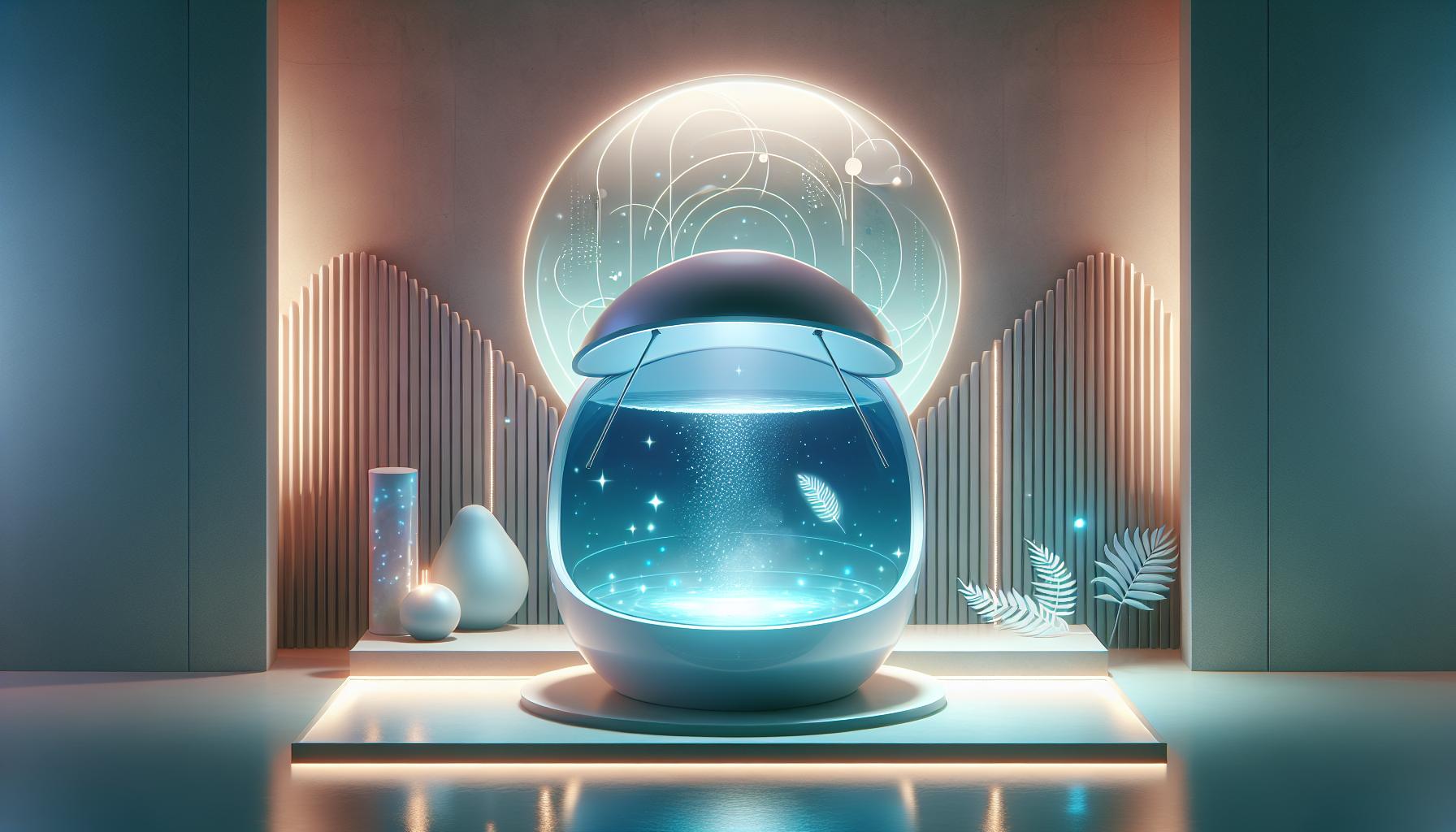
The thought of stepping into a floating pod for the first time can be both exciting and daunting. Many first-time floaters are faced with questions about the experience, from what the environment is like to how they should prepare mentally and physically. Understanding what happens during your first float session can ease anxiety and prepare you for a truly transformative experience.
Upon arrival at the float center, you will typically be greeted by a calm, serene atmosphere designed to promote relaxation. Most centers will walk you through the process and help you understand what to expect. You’ll be shown to a private tank room, where you can change into your swimwear or the provided spa attire. Hygiene is paramount, so expect to take a quick shower to cleanse your body before entering the tank.
Once inside the float pod, you’ll find it filled with a warm, salt-saturated solution that allows your body to effortlessly float. The sensation is unlike any other; you may feel as if you’re floating on air. You’re encouraged to close the lid, which helps create a dark, quiet space to drown out external stimuli. If you feel comfortable, you can turn on soft ambient music or leave it completely silent as you transition into this unique state of relaxation. As soon as you settle in, allow your body to relax and embrace the experience. Let go of any expectations – floating is a personal journey, and everyone experiences it differently.
It’s common for beginners to experience a whirlwind of thoughts initially; however, as your body relaxes and your mind learns to embrace the stillness, you might find yourself entering a meditative state. This can last anywhere from 30 minutes to up to two hours, depending on your chosen session length. After the session concludes, you’ll find yourself gently nudged back to reality, possibly by soft music or light signaling the end of your float. Dedicated time is provided to shower off the salt water and recuperate in a lounge area, where you can savor your newfound clarity and relaxation.
As a float center owner or entrepreneur, it’s vital to create an inviting and informative environment for new clients. Consider providing detailed orientation sessions or informational materials that explain the science and benefits of floating before their first experience. You can help ease apprehensions by sharing testimonials or offering guided floats for those who may want extra support during their initial experience. Being proactive in client education not only enhances their experience but also builds loyalty and trust, which are crucial in the wellness industry.
Preparing for Your First Sensory Deprivation Experience

Stepping into the world of sensory deprivation can be a transformational journey, where the soothing embrace of warm saltwater meets the profound silence of suspended thought. To maximize the benefits of your first floating experience, proper preparation is key. Leading up to your session, consider a few practical steps that can help you achieve a deeper state of relaxation and enhance your overall experience.
Physical and Mental Preparation
Before you arrive at the float center, engage in a gentle routine that encourages relaxation. This might include practices such as yoga or light stretching to help ease any physical tension. Additionally, try to approach your float with an open mind; setting a positive and peaceful intention can create an enriching experience. Meditation or breathing exercises prior to your arrival can help ground your thoughts and create a calm mindset.
Consider scheduling your floating session during a time when you can avoid post-float distractions. Make sure you have a free window afterward to process your experience without rushing to your next appointment or commitment. Having time to reflect can deepen the benefits you gain from the experience.
What to Bring
Although many sensory deprivation centers provide towels and other amenities, you might want to consider bringing a few personal items to enhance your comfort. Here’s a quick checklist:
- Swimwear: While some centers offer spa attire, your own swimwear may feel more comfortable.
- Hair Tie: Long hair can be cumbersome in the tank; tying it back keeps it out of your way.
- Personal Items: If you have sensitive skin or allergies, bringing your own toiletries for post-float hygiene can be advantageous.
- A Water Bottle: Staying hydrated is essential, especially if you plan on floating for an extended period.
Arriving at the Center
Upon entering the float center, allow yourself to be enveloped by the tranquil atmosphere. Take a few moments to breathe deeply and absorb the calming environment. Engage with staff; they are valuable resources who can answer any questions you might have and help alleviate concerns about the floating experience. Most centers will guide you through any remaining preparations, emphasizing the importance of hygiene and ensuring you feel comfortable before entering the tank.
In the spirit of embracing this unique experience, remember that there is no right or wrong way to float. Each session is a personal journey, and the insights gained can profoundly enrich your sense of well-being. For entrepreneurs in the sensory deprivation industry, creating a welcoming and informative atmosphere is paramount. Providing clear instructions, safety guidelines, and supportive communication can ensure that customers feel secure and informed as they embark on their floating adventure. A positive first-time experience for your clients leads to loyal patrons who value their journey through wellness in the tranquil world of floating.
How to Choose the Right Sensory Deprivation Tank
Choosing the right sensory deprivation tank can significantly enhance your floating experience, turning a good session into a transformative escape. With various options available, understanding the types of tanks, their features, and how they align with your preferences is essential for maximizing the potential benefits of this practice. For first-timers looking to unwind or entrepreneurs exploring business opportunities, knowing what to look for can create a meaningful connection with the experience.
One of the fundamental aspects to consider is the type of tank. Floating solutions often come in three varieties: pod, room, and bath. Pods are the classic design, enclosed but spacious enough for a comfortable float. They offer a cozy and contained environment ideal for those new to floating. Room tanks are more expansive, allowing for flexibility in movement and providing a less claustrophobic experience. These are excellent for individuals who may feel anxious in confined spaces. Lastly, bath tanks resemble large bathtubs and are often equipped with adjustable water temperature controls, allowing users to tailor their experience further. Assessing your level of comfort with enclosed spaces will guide you toward the right option.
Next, pay attention to water quality and salts used. Genuine sensory deprivation tanks should utilize high-quality Epsom salt to maintain buoyancy and provide skin-boosting minerals. It’s advisable to visit centers that prioritize water hygiene through regular changing and filtration systems. Inquire about their maintenance practices and whether they use additional filtration technologies, such as UV sanitization, to ensure a safe floating environment.
Your overall experience is also influenced by the atmosphere of the float center. Look for facilities that emphasize tranquility and cleanliness, as well as those that provide an inviting ambiance. Customer reviews can be invaluable in assessing the atmosphere and staff responsiveness. A caring and informative staff can alleviate any initial apprehensions, making your first experience significantly more enjoyable.
Lastly, consider session duration and pricing. Many centers offer various float packages, so it’s wise to assess your budget while also considering how long you want to float. First-time users might want to start with shorter sessions to gauge their comfort level, while regular users may find extended sessions beneficial for deeper relaxation and exploration. Look for first-time discounts or package options that provide value without compromising the quality of service.
In summary, choosing the right sensory deprivation tank involves evaluating comfort preferences, water quality, ambiance, and pricing. By considering these essential factors, both newcomers and business owners can foster a fulfilling experience that encourages relaxation and well-being. Whether you are floating for personal benefits or curating an enriching environment for clients, thoughtful selection guarantees a step toward enhanced wellness.
Comparing Pricing: Finding Affordable Float Options
Finding the right sensory deprivation tank experience doesn’t have to be an expensive endeavor. Although floating can be a luxury wellness experience, there are plenty of affordable options that still deliver exceptional benefits. The key is to compare prices across different facilities and understand what each offers, ensuring quality is not sacrificed for cost.
One popular approach is to look for local float centers that offer introductory packages or discount rates for first-time users. Many establishments provide a single float session at a promotional price, which can sometimes even include additional perks, like a membership discount on future visits. To illustrate, here are a few pricing approaches commonly seen in the industry:
| Float Center Type | Average Price (per session) | Membership Discount |
|---|---|---|
| Standard Float Center | $50 – $70 | 10 – 20% off |
| Luxury Spa Float Center | $70 – $100 | 5 – 15% off |
| Community or Non-Profit Centers | $30 – $50 | 25% off |
| Mobile Float Services | $60 – $80 | Varies |
When weighing your options, consider the length of the sessions as well. Standard float sessions typically last 60 to 90 minutes, while some centers offer longer sessions or package deals that reduce the average cost per session when booked in bulk. For first-timers, a 60-minute session might be ideal to gauge comfort levels without overcommitting financially.
Another strategic way to find affordable float options is through community offers. Some float centers participate in local wellness fairs or health expos, providing trial sessions at a reduced cost. Keeping tabs on social media and local wellness newsletters can lead to announcements about promotional events or special deals. Signing up for newsletters often yields exclusive discounts, making it easier to manage floating expenses.
Finally, if you’re an entrepreneur considering entering the sensory deprivation market, understanding pricing models is critical. Conducting a competitive analysis can help you identify gaps where you can provide value, whether it’s through innovative pricing strategies, unique membership models, or introducing loyalty incentives. For example, offering group rates or partnerships with local fitness studios can enhance visibility while appealing to budget-conscious clients.
In summary, finding affordable float options involves being proactive. Explore different centers, utilize trial promotions, and keep an eye out for community deals. Whether you’re floating for wellness or seeking business opportunities, understanding pricing can empower you to make informed decisions that enhance your floating journey.
Understanding the Different Types of Float Centers
Exploring the world of sensory deprivation can feel overwhelming, especially for first-time floaters. available is crucial in finding the right environment that suits your needs and preferences. Floating experiences vary widely depending on the center’s focus, amenities, and service offerings, which can significantly impact your journey into relaxation and introspection.
One of the most common types of float centers is the Standard Float Center. These facilities typically offer an array of float tanks in a calming environment with a focus primarily on the sensory deprivation experience. Standard float centers often provide competitive pricing and session lengths that cater to newcomers. Main features include private tanks, clean and tranquil spaces, and sometimes additional amenities like showers and loungers. Many also offer first-time visitor specials, making this an ideal choice for those new to floating.
Luxury Spa Float Centers
For those seeking a more indulgent experience, Luxury Spa Float Centers blend the benefits of floating with high-end amenities. These centers usually provide beautifully designed float rooms that come with advanced features like color therapy, enhanced sound systems, and personalized service. Visitors can expect a premium pricing model but often receive additional services such as massage options, wellness consultations, or post-float relaxation areas. This type of center appeals to individuals looking for a comprehensive spa experience while enjoying the profound benefits of float therapy.
Community and Non-Profit Centers
An alternative for budget-conscious floaters is Community or Non-Profit Centers that emphasize accessibility and wellness for everyone. These establishments are often committed to making floating affordable and may offer sliding scale rates based on income. They promote community wellness, which can include wellness education events and group sessions. By fostering an inviting atmosphere, these centers encourage newcomers to explore floating without the financial burden typically associated with premium facilities.
Mobile Float Services
Another innovative option is Mobile Float Services, which bring the relaxation of sensory deprivation directly to your door. Ideal for those who prefer the comfort of their own environment, these services typically set up portable float tanks at your home for a personalized experience. It’s an excellent choice for individuals with busy schedules or those who may feel nervous about visiting a public float center. However, prices may vary based on location and service duration, so it’s essential to compare options carefully before making a decision.
Ultimately, as you consider where to float, think about what atmosphere aligns with your needs-whether you’re looking for simplicity, opulence, community focus, or convenience. Each type of float center offers unique benefits that can enhance your floating experience, empowering you to tap into deep relaxation and explore the therapeutic advantages of sensory deprivation.
Safety Guidelines and Best Practices for Floating
When embarking on your first floating experience, understanding the safety guidelines and best practices can greatly enhance your journey into relaxation and mindfulness. Sensory deprivation tanks provide a unique opportunity to disconnect from the outside world; however, following simple precautions ensures a safe, beneficial experience that maximizes the therapeutic effects of floating.
Start by ensuring that you are in good health before participating in a float session. Individuals with certain medical conditions, such as severe asthma, epilepsy, or skin conditions, should consult a healthcare professional. If you’re pregnant or have any concerns, it’s wise to seek medical advice tailored to your situation. Additionally, many float centers require clients to fill out a health questionnaire or waiver, which can help staff provide appropriate guidance and support.
To prepare your body and mind for floating, consider these practical tips:
- Shower Before You Float: It’s essential to cleanse your body before entering the tank. This not only maintains hygiene but also helps you feel more comfortable and relaxed. Most centers provide showers with shampoo and soap on-site.
- Wear Earplugs: To prevent saltwater from entering your ears, wearing earplugs can enhance your experience by minimizing distractions and maintaining a level of comfort during your float.
- Avoid Stimulants: Refrain from caffeine or heavy meals at least an hour before your session. This helps you achieve a focused state of calm and avoid discomfort during your float.
Floating is inherently a safe experience, but there are still some best practices to keep in mind during your session. Stay aware of your comfort level; if the water is too salty or you feel uncomfortable in any way, don’t hesitate to adjust or exit the tank. Many float centers also provide emergency call buttons or a way to signal for assistance, assuring you can easily communicate your needs.
For entrepreneurs considering a float center or mobile float service, adhering to safety protocols is equally important. Insist on quality tank sanitation processes and regularly scheduled maintenance to ensure optimal safety for clients. Comprehensive staff training on emergency procedures and first aid would also boost your center’s credibility and provide peace of mind for newcomers.
Creating an inviting, respectful atmosphere promotes a positive experience for all floaters. Encourage open communication and transparency about the process and any potential risks, fostering trust and easing the nervousness often felt by first-time floaters. In summary, prioritizing safety through informed preparation and environment maintenance amplifies the therapeutic effects of floating, allowing for deeper introspection and relaxation.
Expert Tips for Enhancing Your Floating Experience
Embracing a floating experience can unlock vast potential for relaxation and introspection, provided you prepare thoughtfully and approach the session with an open mind. As many float enthusiasts will attest, the key to maximizing the benefits of sensory deprivation lies in how you engage with the environment before, during, and after your float. Here are several expert tips to ensure your time in the tank is both transformative and fulfilling.
One of the most important things to remember is to create a serene mindset ahead of your appointment. Prior to your float, set aside time to engage in calming activities that can include meditation, deep breathing exercises, or gentle yoga. These practices can help you transition mentally into the tranquil state you will encounter in the sensory deprivation tank. When you enter the tank, approach it as a sanctuary-free from distractions, you can harness the power of your thoughts and emotions.
Enhancing Your Experience Inside the Tank
While floating, consider using visualization techniques. Picture yourself in a peaceful setting-perhaps a forest or a beach-allowing your imagination to guide you toward utter relaxation. Keeping your eyes closed will enhance this experience as it blocks out external stimuli. Additionally, practice mindfulness during your float: if any thoughts arise, acknowledge them without judgment and then gently return your focus to your breath or body sensations. This process can deepen your connection with the therapeutic aspects of floating.
Another method to enhance your floating experience is to listen to calming music or guided meditation tracks specifically designed for floats. Many float centers offer the option of auditory stimulation, or you can bring your own lightweight waterproof speakers. Choosing the right audio can deepen your relaxation or even help you navigate through subconscious barriers, ultimately enriching your experience.
Post-Float Reflection
After your float session, take the time to reflect on your experience. Journaling can be an effective way to process the thoughts and emotions that surfaced during your time in the tank. This practice not only solidifies your insights but also establishes a deeper relationship with your journey toward well-being.
For entrepreneurs in the sensory deprivation industry, consider ways to enhance your clients’ post-float experience. Provide comfortable relaxation areas with tea or light snacks, where patrons can unwind and share their thoughts on their floating experience. You can even host regular workshops or support groups that encourage patrons to explore their experiences in a nurturing environment. Thus, you are adding value beyond the float and creating a community atmosphere that fosters repeat visits.
By integrating mindfulness, visualization, and supportive post-float options into the floating experience, you can set the stage for personal growth and rejuvenation. Whether you are a first-time floater or an entrepreneur aiming to create a premium float experience, remember that the journey within a sensory deprivation tank offers unique advantages waiting to be discovered.
Exploring the Science: How Floating Impacts Wellness
The benefits of floating in sensory deprivation tanks extend far beyond mere relaxation; they delve deeply into the science of wellness by affecting both the body and mind in profound ways. Research illustrates that spending time in a float tank can lead to a multitude of positive outcomes, including reduced stress levels, enhanced creative thinking, and improved overall mental clarity. These tanks, filled with warm, buoyant water saturated with Epsom salt, create an environment that minimizes sensory input, allowing the body and mind to reset.
When it comes to physiological benefits, floatation therapy has been linked to reduced levels of cortisol, the stress hormone, contributing to an overall sense of well-being. Regular floating can also alleviate symptoms of anxiety and depression, providing a refuge for individuals seeking solace from the relentless noise of daily life. Moreover, athletes often seek out float tanks to aid recovery after intense training by reducing muscle soreness and fatigue. The loaded water not only helps with physical buoyancy but also allows practitioners to relieve tension and improve flexibility, making floating an excellent complementary therapy for those engaged in physical pursuits.
Understanding the Impact on Mental Health
Floating serves as a powerful tool for mental health, as it promotes mindfulness and deep introspection. Numerous studies suggest that the quiet environment encourages attunement to the self, facilitating inner dialogue that can lead to breakthroughs in personal growth. The act of floating can foster creativity, as the absence of external distractions allows the brain to access deeper levels of thought, leading to innovative ideas and solutions. By setting aside dedicated time in the tank, individuals can create space for mental clarity, enabling them to tackle challenges both personally and professionally.
For the Entrepreneur: Positioning within a Growing Market
For those looking to enter the sensory deprivation industry, understanding the science behind flotation therapy is essential. This knowledge equips you to attract clients by clearly communicating the myriad benefits of floating. Consider integrating evidence-based practices into your business model, such as offering workshops that educate patrons on the science of sensory deprivation, supporting them in recognizing the profound wellness dimensions of their floating experiences.
Furthermore, encasing your float center in a supportive atmosphere that prioritizes wellness can enhance client retention and satisfaction. For instance, you might include post-float reflection sessions or guided discussions on the therapeutic effects of floating, thereby fostering a sense of community and enhancing the overall experience.
In essence, the intersection of science and wellness in floating presents both a unique opportunity for personal transformation and a compelling avenue for entrepreneurs in the wellness industry. By embracing this understanding, you can create a tailored and enriching environment that encourages individuals to explore the depths of relaxation and introspection offered by sensory deprivation.
Business Opportunities in the Sensory Deprivation Industry
The sensory deprivation industry is experiencing remarkable growth, influenced by an increasing public interest in mental health and wellness. With more people seeking alternatives for stress reduction and creative enhancement, businesses in this sector are poised for success. Entering this space not only presents a lucrative opportunity but also allows entrepreneurs to contribute positively to the well-being of their communities by promoting wellness through flotation therapy.
First, it’s essential to understand the nuances of the business model surrounding flotation therapy centers. Operating a float spa involves careful consideration of several factors, including facility design, customer experience, and service diversification. Creating a soothing environment with private float pods, tranquil ambiance, and plush waiting areas can significantly impact client satisfaction. Additionally, offering complimentary services such as yoga classes, meditation workshops, or wellness seminars can enhance the overall experience, fostering a loyal clientele that appreciates your holistic approach.
Key Considerations for Success
Establishing a successful float center requires meticulous planning and execution. Here are some practical steps to consider:
- Market Research: Investigate local demand by assessing the competition and identifying gaps in the market. Understand what potential clients are specifically looking for and how you can meet those needs.
- Licensing and Compliance: Ensure that you comply with local health and safety regulations. Obtain necessary licenses and conduct regular maintenance checks on float tanks to uphold hygiene and safety standards.
- Client Education: Provide potential customers with information on the benefits of floating. Use your website and social media channels to share testimonials, articles, and videos that demystify the experience of floating and highlight its wellness benefits.
- Pricing Strategies: Develop competitive pricing models that suit different demographics, such as student discounts, loyalty programs, or package deals for multiple sessions, to attract various clientele.
Creating a Community Around Wellness
Cultivating a community around your float center can enhance customer retention and build brand loyalty. Consider organizing events such as sound baths or guided meditation sessions, which can draw in both floaters and non-floaters, thus expanding your reach. Additionally, collaborating with local practitioners-such as therapists, nutritionists, or fitness trainers-can enhance your offerings and establish your center as a hub for holistic health in your area.
By aligning your business practices with the principles of health and wellness, you can create not only a profitable venture but also a sanctuary where clients can explore the transformative effects of flotation therapy. Embrace this rewarding journey, and you’ll witness firsthand how contributing to others’ well-being can be as fulfilling as it is financially viable.
FAQ
Sure! Here’s an SEO-optimized FAQ section for “Where Can I Use a Sensory Deprivation Tank? Best Spots to Float” that targets long-tail keyword variations and addresses common user inquiries without repeating existing article content.
Q: What types of locations offer sensory deprivation tanks?
A: Sensory deprivation tanks are typically available in wellness centers, spas, yoga studios, and specialized float centers. Each location may vary in amenities and services, so it’s advisable to check the offerings before booking. Explore the “Understanding the Different Types of Float Centers” section of our article for more insights.
Q: How do I find the best sensory deprivation tank near me?
A: To find the best sensory deprivation tank nearby, use online search tools like Google Maps or wellness directories. Look for reviews, amenities, pricing, and the tank types available. Our “Where to Find Sensory Deprivation Tanks Near You” section can provide specific tips.
Q: Are sensory deprivation tanks hygienic and safe to use?
A: Yes, sensory deprivation tanks are generally hygienic. Most centers use filtration systems and disinfectants to ensure cleanliness. However, always confirm the hygiene practices of the facility you choose. Refer to our “Safety Guidelines and Best Practices for Floating” section for more details.
Q: Can I book a group float session at a sensory deprivation tank facility?
A: Many sensory deprivation tank centers offer group sessions or private room bookings suitable for friends or couples. It’s best to inquire directly with the facility about group options and availability. Explore our section on “Comparing Pricing: Finding Affordable Float Options” for ideas on group deals.
Q: What should I wear during a float session?
A: Wear comfortable, minimal clothing during a float session, such as a swimsuit or nothing at all, since the tank is a private space. It’s best to avoid lotions or oils. For additional preparation tips, see the “Preparing for Your First Sensory Deprivation Experience” section of our article.
Q: Do I need to make a reservation for a float session?
A: Yes, it’s recommended to make a reservation to ensure availability, especially during peak times. Most facilities have online booking systems for convenience. Check our “Top Cities for Exceptional Floating Experiences” to see popular locations where reservations are necessary.
Q: How long does a typical float session last?
A: A typical float session lasts about 60 to 90 minutes. Some centers offer longer sessions upon request. Discuss session lengths when booking your appointment. More insights about what to expect can be found in our “What to Expect During Your First Float Session” section.
Q: Can sensory deprivation tanks be used for therapeutic purposes?
A: Yes, sensory deprivation tanks are often utilized for therapeutic purposes, including stress relief, anxiety reduction, and pain management. Many users report enhanced relaxation and improved mental clarity. Explore the “Exploring the Science: How Floating Impacts Wellness” section for deeper understanding.
Feel free to integrate these Q&As into your article’s FAQ section for enhanced user experience and search engine visibility!
Insights and Conclusions
As you explore where to dive into your sensory deprivation tank experience, remember that floating can offer profound relaxation and personal clarity-essential benefits we all deserve in today’s busy world. Whether you’re seeking vibrant local float centers or planning a getaway, the right environment can transform your journey into an unparalleled escape. Ready to take the plunge? Look for your nearest float facility in our comprehensive guide, and don’t forget to check out our tips on preparing for your first float experience to maximize your comfort.
Curious about the wellness benefits of float therapy? Explore our articles on reducing anxiety and enhancing mindfulness, or learn how sensory deprivation can boost creativity. Join our community by signing up for our newsletter, where you’ll receive the latest insights and exclusive offers. Don’t hesitate to leave a comment below-share your thoughts or experiences! Your path to serenity is just a float away; seize the moment and dive into a world of tranquility today.


