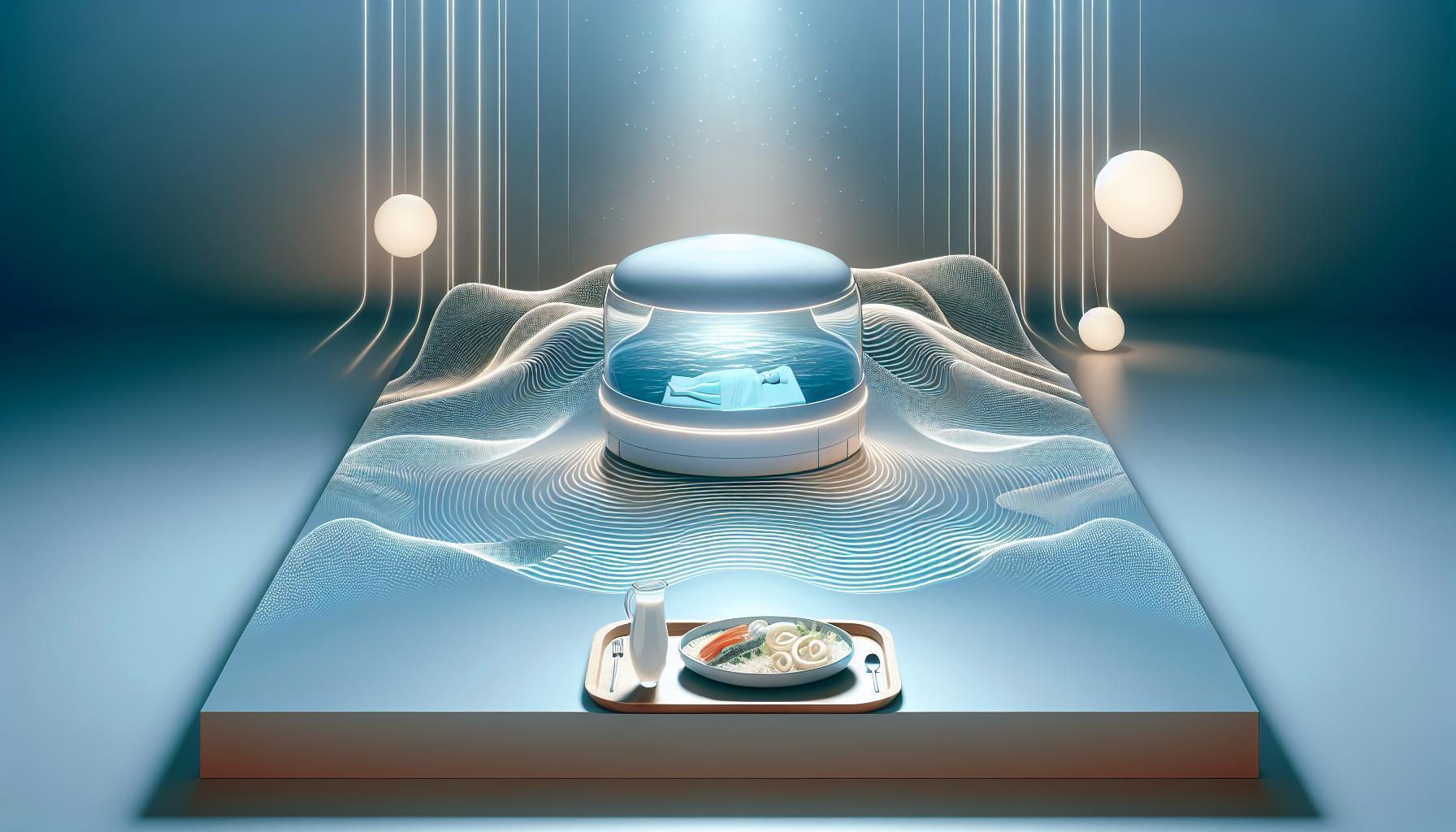
Imagine stepping into a world of complete stillness, where your mind can drift free from the chaos of daily life. Sensory deprivation tanks offer a unique escape, allowing individuals to float in warm, dense saltwater, cut off from external distractions. But what is it really like inside one of these tanks?
In this exploration, we’ll delve into first-person accounts of those who have ventured into this serene environment. Whether you’re seeking relief from stress, a boost in creativity, or simply a moment of introspection, hearing these experiences will give you insight into the myriad benefits of floating.
Join us as we unravel the transformative potential of sensory deprivation and discover how this practice can enhance mental clarity, foster relaxation, and even inspire new ideas. You may find yourself tempted to take the plunge and see for yourself what awaits in the tranquil depths.
Understanding Sensory Deprivation: An Overview
Stepping into a sensory deprivation tank can feel like entering a realm where time and space dissolve, allowing you to disconnect from the chaos of everyday life. Originating in the 1950s as a tool for studying the mind, sensory deprivation has evolved into a powerful wellness practice embraced by many for its profound benefits. In these tanks, which are filled with highly salted, warm water, individuals can float effortlessly, enveloped in darkness and silence. This environment creates a unique opportunity to experience a shift in consciousness, where introspection becomes accessible and the mind can roam freely.
The mechanics of sensory deprivation hinge on the deliberate removal of input from the five senses. In a world where we are constantly bombarded by stimuli, this profound stillness serves as a reset button. Individuals may report heightened states of relaxation and creativity, as well as a deeper connection to their thoughts and feelings. Common experiences include altered perception of time, intensified mental clarity, and insightful epiphanies. Many users describe their time in the tank as a deep meditative experience, even leading to states akin to lucid dreaming.
For those considering this practice, understanding its foundational elements is crucial to maximizing your experience. Entering a sensory deprivation tank isn’t just about floating in silence; it’s an opportunity to engage with your inner self in a way that few other practices allow. Prior to your first session, familiarize yourself with both the emotional and physiological changes that may occur. Breathing techniques, for instance, can enhance your experience, helping you to calm your mind and sink deeper into relaxation.
While the allure of sensory deprivation lies in its promise of serenity and insight, it’s essential for potential users to recognize and address common misconceptions. From fears about claustrophobia to doubts about the effectiveness of the experience, understanding these issues can pave the way for a more fulfilling journey. As you approach your first float, prepare yourself mentally; visualize the peaceful sensations you will encounter. In doing so, you’re not just preparing for a sensory experience-you’re setting the stage for a transformative practice that can significantly enhance your overall well-being.
The Science Behind Sensory Deprivation Tanks
Stepping into a sensory deprivation tank is not merely a leap into water; it’s an invitation to explore the intricate workings of your own mind and body. At the heart of this experience lies a fascinating interplay of sensory inputs (or the deliberate lack thereof), neurobiology, and the profound effects on mental wellbeing. Recent studies have shown that floating in a controlled environment can induce significant physiological responses that not only relax the body but also enhance mental clarity and creativity.
One of the pivotal science-backed principles behind sensory deprivation is the reduction of external stimuli. In a conventional setting, our senses are continuously engaged-be it through noise, lights, and even the varying temperatures that confront us in daily life. Sensory deprivation tanks create a serene atmosphere by eliminating these distractions, which encourages the brain to enter a state of relaxation akin to meditation. This is critical for those seeking to lower stress levels and access deeper states of consciousness. Research indicates that even short durations in these tanks can lead to increased endorphin release, which helps alleviate pain and promote a sense of euphoria.
It’s also essential to understand how this sensory isolation influences brainwave activity. While floating, individuals often report a shift into deeper theta wave states-similar to that of deep meditation or sleep. This effect is not just anecdotal; numerous studies have shown that theta waves, associated with creativity and intuition, become more prominent during floating sessions. As your brain settles into this altered state, the likelihood of experiencing vivid imagery, heightened awareness, and even emotional release increases.
For newcomers, approaching this experience with knowledge can significantly enhance its benefits. Establishing a clear intention beforehand, such as focusing on relaxation or self-discovery, can help anchor your session. Incorporating breathing techniques can further optimize the experience by maintaining an even flow of oxygen, promoting deeper relaxation. Users often find that journaling their experiences after floating helps articulate insights gained during the session and solidifies the benefits into their daily lives.
As the popularity of floating grows, so too does the array of sensory deprivation centers. Entrepreneurs venturing into this burgeoning industry should focus on creating environments that prioritize user comfort and safety. Following best practices for sanitation and climate control, as well as training staff in effective customer service, can lead to a positive first-time experience for users. By demonstrating a commitment to quality and understanding the science behind sensory deprivation, businesses can cultivate a loyal clientele eager to explore the depths of their own consciousness in a tank.
First-Person Experiences: What to Expect
Stepping into a sensory deprivation tank can feel like stepping into another world-one that is quiet, calming, and entirely focused on you. As you close the lid on the tank and the outside world fades away, many first-time users describe an initial wave of vulnerability mixed with excitement. Imagine floating effortlessly in body-temperature water, surrounded by darkness and silence, while the gentle buoyancy of the Epsom salt solution cradles your body. This unique environment serves as a blank canvas for the mind, creating a space where thoughts can unfold freely, creativity can spark, and deep relaxation can flourish.
Initial Sensations and Adjustments
During the first few minutes inside the tank, you may experience a flurry of sensations. Initially, it might feel disorienting as your body adjusts to the absence of sensory input. Your mind may chatter as it tries to fill the void-thoughts about your day, to-do lists, or even apprehensions about the experience itself. However, over time, as you breathe deeply and allow your body to relax, many users report a gradual shift into a profound sense of peace. This period of adjustment can be essential for beginners, paving the way for the potential benefits of the session.
To maximize this transformative experience, consider adopting a few practical techniques:
- Breathe mindfully: Focus on your breath; deep, slow breaths can anchor you to the present moment and alleviate anxiety.
- Embrace the darkness: Allow yourself to let go of visual stimuli-without distractions, you may find that your inner world becomes more pronounced.
- Set an intention: Before entering the tank, think about what you hope to gain from the session-whether it’s stress relief, creative inspiration, or self-reflection.
Common Experiences Reported by Users
As participants settle in, many report a sense of floating both physically and mentally. The silence allows for introspection, leading some to encounter profound realizations or creative breakthroughs. Users often describe their thoughts evolving into a vivid landscape of color and imagery, while others may drift into a state of meditation, experiencing a form of deep mindfulness akin to sleep with full awareness.
Similarly, the physiological effects can be striking. Some individuals experience heightened sensations of relaxation, warmth, and euphoria. Many find that after just one session, stress levels are significantly reduced, paving the way for enhanced sleep patterns and improved mood in the following days. It is not uncommon for first-timers to exit the tank feeling lighter, mentally clearer, and more connected to themselves.
For entrepreneurs within the wellness space, understanding these first-person accounts not only underscores the therapeutic potential of sensory deprivation but also highlights the importance of creating an inviting, calming environment. Responding to users’ needs-such as offering a pre-float consultation where first-timers can express their concerns or curiosity-can greatly enhance their experience.
In summary, the journey within a sensory deprivation tank ranges from uncomfortable adjustment to profound introspection and relaxation. By prioritizing user comfort and providing supportive tools for navigating the experience, both participants and businesses can cultivate a rewarding exploration of personal consciousness and holistic health.
Benefits of Floating: Mental and Physical Health
Stepping into a sensory deprivation tank is not just an act of relaxation; it is a portal to numerous benefits that can profoundly influence both mental and physical health. Research and anecdotal evidence suggest that floating can lead to significant reductions in stress, anxiety, and even chronic pain. A study published in Health Psychology revealed that regular sessions in such tanks can lower levels of cortisol, the stress hormone, allowing individuals to tap into a deeper state of tranquility and well-being.
Regular users of sensory deprivation tanks often report enhanced creativity and clarity of thought. This phenomenon arises from the unique conditions within the tank: the lack of external distractions encourages deeper introspection, fostering a mental environment conducive to brainstorming and innovative thinking. Many artists, writers, and entrepreneurs have integrated floating into their routines, citing it as a source of inspiration and problem-solving clarity. By setting specific intentions before each session, individuals can better focus their thoughts, leading to breakthroughs that they might struggle to achieve in the busyness of daily life.
In addition to cognitive benefits, the physical advantages are equally compelling. The buoyancy provided by the Epsom salt water alleviates pressure on joints and muscles, allowing for a gentle, almost weightless experience that can relieve tension and soreness. This therapeutic effect is particularly beneficial for those recovering from injuries or dealing with chronic pain conditions. Athletes and fitness enthusiasts frequently leverage floating to enhance recovery times, reduce muscle fatigue, and improve overall athletic performance.
It’s essential for first-time users and business owners alike to understand these potential outcomes. For individuals considering their first float, approaching the experience with openness and a clear purpose can maximize benefits. Establishing a calm mindset before entering the tank can set the stage for deeper relaxation and introspection. For entrepreneurs in the wellness industry, recognizing and highlighting these health benefits in marketing can attract a clientele eager to explore holistic approaches to well-being. Creating informative content, sharing testimonials, and offering pre-float guidance can deepen client engagement and enhance the overall floating experience.
Preparing for Your First Float Session
Stepping into a sensory deprivation tank for the first time is a transformative experience that many describe as both liberating and calming. To fully embrace this unique opportunity, a little preparation can go a long way in ensuring you maximize the advantages of your float session. Understanding what to do beforehand can help ease any nerves and pave the way for a profoundly restorative experience.
Consider Your Mindset and Intentions
Before entering the tank, it’s beneficial to establish a clear mindset. Take a moment to reflect on what you hope to achieve during your float. Whether it’s to relieve stress, increase creativity, or simply take a break from daily life, setting an intention can guide your experience. Some newcomers even find it helpful to journal their thoughts or feelings prior to floating as a means of decompressing any lingering stress.
Practical Steps for Preparation
- Hydrate: Drink plenty of water before your session to ensure your body is well-hydrated. You’ll want to be comfortable during your float without feeling thirsty or dehydrated.
- Shower First: Most centers require you to shower before entering the tank. This not only maintains cleanliness but also helps you transition into the relaxing state needed for floating.
- Dress Comfortably: Wear loose-fitting clothing that you can easily change out of before and after your float. The goal is to reduce any discomfort that may distract you during your session.
- Mind the Time: Schedule your float session during a time of day when you’re least likely to be interrupted. Consider avoiding overly stimulating activities or engagements leading up to your float, to foster a tranquil mindset.
Creating the Right Environment
When you arrive at the sensory deprivation center, take a moment to familiarize yourself with the surroundings. Many centers create an atmosphere of calm through soothing colors, gentle music, or dim lighting. Embrace this ambiance as an essential part of your journey. If you feel apprehensive, consider discussing any concerns with the staff; their expertise can provide reassurance and valuable insights.
Equipped with these preparation steps, first-time users can transform initial anxiety into an enriching experience of self-discovery. For those in the wellness industry, guiding clients through these preparations emphasizes professionalism and dedication to their clients’ comfort and health. Presenting this information through marketing channels can build trust with potential customers, showcasing the center as a supportive space for personal growth and therapeutic healing. By facilitating ease and understanding, you can create a sanctuary where clients feel valued and excited about their journey into sensory deprivation.
Common Myths About Sensory Deprivation Tanks
Many people harbor misconceptions about sensory deprivation tanks, often shying away from the experience due to these myths. Understanding the realities of floating can not only ease the minds of first-time users but can also serve as a valuable resource for professionals in the wellness industry. Here, we demystify some of the most common beliefs and shed light on the actual benefits and experiences associated with sensory deprivation.
One prevalent myth is that floating will induce feelings of claustrophobia or vulnerability, leading to panic. However, most users report feeling a profound sense of freedom and relaxation when suspended in the tranquillity of the tank. The design of modern sensory deprivation tanks allows for spaciousness, with many units featuring soft LED lighting or the option to leave the lid open. The soothing environment promotes a peaceful mindset, making the floating experience more akin to lying on a cloud rather than being confined in a tight space.
Another common misunderstanding is that sensory deprivation is a form of torture or punishment. Contrary to this notion, sensory deprivation is a therapeutic practice designed to reduce stress and enhance well-being. Numerous studies have shown that floating can lower cortisol levels, leading to decreased anxiety and improved mental clarity. First-hand accounts reveal that many users emerge from their sessions feeling rejuvenated and creative, as the lack of external stimuli facilitates a deeper connection with one’s thoughts and emotions.
Individuals often believe that floating is a one-size-fits-all experience, suitable for only a select few. In reality, floating can benefit virtually anyone-from busy professionals seeking stress relief to athletes looking for muscle recovery. The adaptability of sensory deprivation makes it welcoming to diverse audiences, allowing for tailored experiences based on individual needs and preferences. Entrepreneurs in the wellness space can capitalize on this versatility by offering customized float sessions and promoting the broad spectrum of benefits.
Common Misconceptions at a Glance
| Myth | Reality |
|---|---|
| Floating induces claustrophobia. | Most users report feelings of freedom and relaxation. |
| Sensory deprivation is punitive. | It’s a therapeutic practice for stress relief and mental clarity. |
| Only certain people can benefit from floating. | Floating can be beneficial for anyone, regardless of lifestyle. |
By debunking these myths, both new users and business owners in the wellness sector can approach sensory deprivation tanks with confidence and curiosity. Promoting clarity around these misconceptions in marketing materials or initial consultations can build trust and encourage more clients to explore this unique form of self-care.
Safety Guidelines for First-Time Users
For those considering their first experience in a sensory deprivation tank, safety and comfort are paramount to ensuring a fulfilling session. While the idea of floating in complete darkness and silence is appealing for many, it’s essential to understand a few practical guidelines that can help you maximize your experience while maintaining a sense of security and well-being.
Firstly, prior to your session, it’s crucial to arrive at the sensory deprivation center with an open mind and an understanding of your own comfort levels. Thirty minutes to an hour before your float, it’s advisable to avoid caffeine and heavy meals to prevent any distractions during your time in the tank. Taking a warm shower before stepping into the tank will not only cleanse your body but also help in acclimatizing to the tank’s environment, ensuring that you are physically and mentally prepared.
Navigating the floating experience demands an understanding of personal space and relaxation techniques. Here are several practical safety measures to consider:
- Drainage Systems: Ensure that the facility maintains stringent hygiene practices. Clean tanks and proper filtration systems are essential for a safe experience.
- Water Depth: Familiarize yourself with the water depth, which typically ranges from 10 to 12 inches. This depth allows for pleasurable buoyancy without discomfort.
- Emergency Buttons: Know how to utilize the emergency button or communication systems in case you need assistance during your session.
- Pre-existing Conditions: If you have conditions such as epilepsy or severe anxiety, consult a healthcare professional before trying sensory deprivation.
Maintain an awareness of your mental state as well. Brief anxiety or restlessness can arise, especially for first-time users. If you find yourself feeling uncomfortable at any point, it’s perfectly acceptable to open the tank lid or exit. Listening to your body and respecting its signals is vital for an enjoyable experience. It can be helpful to set a short duration for your first float-perhaps 45 minutes-before committing to longer sessions, allowing you to gradually acclimate to the experience.
For entrepreneurs considering entering the sensory deprivation business, ensuring that clients are well-informed about safety measures will greatly enhance their experience and build trust. Offering pre-float consultations where you explain these guidelines and address any concerns can make first-time users feel welcome and secure in their choice to float.
Ultimately, floating can be an enlightening journey when approached with respect and care. Through preparation and adherence to safety protocols, you’ll be poised to explore the profound benefits that sensory deprivation offers, leading you closer to a state of deep relaxation and self-discovery.
How to Find the Right Sensory Deprivation Center
Finding the ideal sensory deprivation center can significantly enhance your floating experience and set the stage for profound relaxation and introspection. With a growing number of facilities dedicated to this unique wellness practice, it’s essential to do your research to ensure that you choose a center that prioritizes hygiene, comfort, and a serene atmosphere.
Start by exploring credible online platforms that specialize in wellness reviews. Look for centers with positive customer testimonials that focus on cleanliness, staff professionalism, and the overall experience of previous clients. Visiting their websites can also provide insight into their facilities, including the design and equipment of the sensory deprivation tanks, which can range from simple pods to more luxurious environments. Engaging with online forums or social media groups dedicated to wellness practices may yield firsthand accounts that can guide your decision-making process.
Key Factors to Consider
When searching for the right facility, keep the following aspects in mind:
- Hygiene Standards: Investigate the center’s protocols for cleaning and maintaining their tanks. A well-kept facility should provide information about hygiene practices on their website or during your initial inquiry.
- Tank Options: Different types of tanks can impact your experience. Some centers offer open or closed tanks. Try to find a facility that allows you to see the tanks beforehand, so you can choose what feels most comfortable.
- Staff Professionalism: Friendly and knowledgeable staff can offer valuable guidance, especially for first-time floaters. Don’t hesitate to ask questions before booking your session; a responsive team can signify a client-oriented approach.
- Set the Mood: Look for a location that prioritizes relaxation and tranquility. Features like private float rooms, soothing decor, and calming music can greatly enhance your floating experience.
Trial Sessions and Consultation
Consider scheduling a trial session or consultation before committing to a longer float. Many centers offer introductory prices or packages that allow you to sample their services without a significant financial commitment. This can give you a taste of their environment and determine if it aligns with your needs.
Additionally, inquire about pre-float consultations where staff can explain protocols, address any concerns, and even provide personalized tips tailored to your comfort. This practice not only ensures your safety but also helps to build a rapport with the staff, creating a sense of familiarity and ease.
For those interested in opening a sensory deprivation center, paying attention to these factors will not only help attract first-time users but also build a loyal client base through word of mouth. By fostering a welcoming, hygienic, and informative atmosphere, you can turn curious newcomers into seasoned floaters who regard your facility as a sanctuary for relaxation and self-discovery.
Tips for Enhancing Your Floating Experience
Stepping into a sensory deprivation tank can feel like embarking on a journey into the self, where each session promises an opportunity for profound relaxation and exploration. To fully embrace the benefits of floating, consider implementing a few tips that can enhance your overall experience. Understanding how to prepare mentally and physically can help deepen the relaxation and introspective aspects of the float, ultimately leading to more meaningful encounters with yourself.
One crucial aspect is pre-float preparation. Arriving at the center well-hydrated and relaxed can set the tone for your session. Drink plenty of water a few hours before your float, but avoid large quantities just before entering the tank. Additionally, consider taking a few minutes to meditate or practice deep breathing exercises upon arrival. This will ground you and create a more receptively peaceful mindset. Remember to remove any makeup, lotions, or hair products, as they may interfere with the floating experience and the cleanliness of the tank.
Once inside the tank, embrace surrender. Allow your body to float naturally without resistance; this can take a moment if you’re new to the sensation. Some individuals find that closing their eyes and focusing on the rhythmic sounds of their breath helps deepen the experience. Allow thoughts to come and go without attachment; this will help you engage in a state of mindfulness. If you find your mind racing, try visualizing a serene environment or using guided imagery to enhance your float journey.
Incorporating consistent floating sessions into your schedule can also amplify the benefits. Regular floaters often report improved mental clarity, emotional stability, and reduced stress levels. Aim for at least one session per month or set a personal goal, like weekly floats for a dedicated period. This can create a deeper state of relaxation and heightened self-awareness over time.
If you’re a business owner in the sensory deprivation space, consider offering workshops or group floats to complement individual sessions. Educate your clients on preparation techniques and the benefits of floating during these gatherings. Engaging with the community not only enriches the experience for floaters but also establishes your center as a pivotal wellness resource. Providing this overview helps solidify your reputation, showing first-time users just how transformative floating can be when approached with intention and mindfulness.
The Role of Sensory Deprivation in Wellness Practices
Stepping into the world of sensory deprivation can reveal profound insights about the self and become a cornerstone in holistic wellness practices. Many individuals today are seeking alternative therapies that not only promote relaxation but also encourage deep introspection and emotional healing. Sensory deprivation tanks, often integrated into wellness regimens, serve as sanctuaries where the mind and body can reset amidst the chaos of daily life.
The Integration of Floating in Wellness Regimens
In wellness practices, sensory deprivation plays a multifaceted role that enhances mental clarity, emotional balance, and physical recovery. The experience of floating allows individuals to disconnect from constant stimuli, which fosters an environment conducive to mindfulness and self-reflection. This quietude can lead to a therapeutic state where stress and anxiety dissipate, aiding in the transition to a more peaceful mindset. Many wellness practitioners advocate for incorporating floating sessions as a complementary therapy, alongside yoga, meditation, or massage therapy. Just as meditation retreats help in cultivating stillness, floating offers a unique opportunity to reach meditative states more effortlessly.
- Stress Reduction: Regular use of sensory deprivation can significantly lower cortisol levels, resulting in enhanced stress resilience.
- Pain Relief: The buoyancy of the saltwater not only alleviates pressure on joints and muscles but has also been linked to reductions in chronic pain conditions.
- Enhanced Creativity: Studies suggest that the unique sensory environment may stimulate creativity, leading to breakthroughs in problem-solving and artistic endeavors.
- Improved Sleep Quality: Many who float report deeper, more restful sleep, which is essential for overall wellness.
Engaging the Community in Wellness Practices
For business owners in the sensory deprivation space, creating a community around the practice of floating can amplify its benefits. Organizing workshops and group sessions not only educates participants about the advantages of floating but also fosters a supportive environment that encourages consistency in practice. You might consider offering introductory classes, where newcomers are guided through their first float and taught how to prepare mentally and physically. Establishing a community not only enhances the floating experience but also solidifies your business as a trusted wellness resource.
Participation in local wellness events or collaborations with health practitioners can also deepen your center’s impact. By engaging with the community and offering insights into the benefits of sensory deprivation, you create lasting connections that encourage further exploration into personal wellness journeys. As clients recognize the value in these sessions, they are likely to share their experiences, stimulating organic growth in your practice.
Sensory deprivation is more than just an escape; it is a powerful ally in holistic health strategies. By embracing its role in wellness practices, both individuals and businesses can unlock its full potential, paving the way for a balanced and enriching lifestyle.
Exploring the Business of Sensory Deprivation
The sensory deprivation industry is not just about providing a service; it’s about creating transformative experiences that can significantly impact the well-being of clients. With an increasing number of individuals seeking alternative wellness therapies, the demand for sensory deprivation tanks is on the rise. Establishing a successful business in this realm requires a combination of operational excellence, community engagement, and a commitment to client education.
One of the most important aspects of operating a sensory deprivation center is understanding your target audience. Many first-time floaters may have preconceived notions or fear about the experience, which is why providing clear communication about what to expect is critical. Offering thorough introductory sessions can help demystify the floating process. This can include a guided tour of the facility, explanations about the benefits, and what clients will experience inside the tank. Creating a comfortable and welcoming environment encourages both new and returning patrons to explore floating more deeply.
Additionally, the ambiance of your center plays a vital role in client retention. The right atmosphere can significantly enhance the floating experience. Incorporating calming elements such as soothing lighting, tranquil sounds, and nature-inspired decor can help clients transition into a state of relaxation even before their float session begins. Consider incorporating areas for meditation or reflection within your center, which can further enhance the wellness journey for your clients.
To effectively market your services, utilizing platforms that amplify client testimonials and first-person accounts can be powerful. Encourage clients to share their experiences through social media, review platforms, or on your website. These personal stories can resonate with potential clients who may be curious yet hesitant. Consider offering referral incentives, which not only reward current clients for sharing their experiences but also introduce new clients to the benefits of sensory deprivation in a trust-building manner.
Another avenue for community engagement and business growth is hosting workshops or wellness events that incorporate sensory deprivation practices. Collaborations with yoga studios, therapists, or wellness coaches can attract diverse groups of individuals seeking holistic health strategies. As you establish your brand, positioning the center as a source of knowledge and support within the wellness community can create lasting connections and foster loyalty among clients.
By thoughtfully combining operational practices with empathetic client engagement, you can shape a sensory deprivation center not just as a business, but as a beacon of wellness that promotes relaxation, creativity, and introspection on a daily basis.
Future Trends in Sensory Deprivation Therapy
As sensory deprivation therapy continues to gain traction in the wellness industry, it’s becoming increasingly clear that the future of this practice will be shaped by both technological advancements and a deeper understanding of its psychological and physiological effects. Recent studies highlight that people are seeking more personalized experiences, and sensory deprivation tanks are evolving to meet this demand. Innovations such as adjustable light and sound settings within the tanks, custom water temperatures, and even aromatherapy options are making floating experiences more tailored to individual preferences, enhancing relaxation and introspection.
The incorporation of virtual reality (VR) technology also stands poised to revolutionize the sensory deprivation landscape. Imagine stepping into a floating tank that not only isolates you from external stimuli but also immerses you in a serene virtual environment. This fusion of VR with sensory deprivation could cater to those who experience anxiety about the void and darkness of the tank, allowing them to visualize peaceful landscapes while still benefiting from the therapeutic effects of floating. Such advancements could attract a broader audience seeking to blend mindfulness with a modern twist, creating a more inclusive environment for newcomers to sensory deprivation therapy.
Furthermore, as societal understanding of mental health evolves, integrating sensory deprivation into traditional therapeutic practices is likely to increase. Psychologists and wellness practitioners are beginning to recognize the substantial benefits that can accompany floating-such as improved mood, reduced stress, and enhanced emotional clarity. As partnerships between float centers and mental health professionals grow, expect to see packages tailored for clients coping with anxiety, depression, or PTSD, offering them a supportive pathway towards recovery through validated therapeutic methods.
To navigate these future trends successfully, sensory deprivation centers should consider incorporating educational workshops aimed at demystifying sensory deprivation therapy. For first-time users who may feel apprehensive, hosting informational sessions can alleviate fears and provide insight into the plethora of benefits available. Building a network that connects clients with therapists and wellness experts could be a powerful way to enhance community engagement while providing clients with resources that extend beyond the floating experience.
Overall, staying fluid and adaptive to these emerging trends in sensory deprivation therapy not only enhances client satisfaction but also positions businesses for growth and sustainability in an increasingly health-conscious world. This balanced focus on technological innovation and holistic health perspectives will create a vibrant future for sensory deprivation therapy, ultimately advancing its role in collective wellness and personal transformation.
Frequently Asked Questions
Q: What can I do to relax before entering the sensory deprivation tank?
A: To relax before your float session, consider practicing deep breathing exercises, meditating for a few minutes, or listening to calming music. Arriving early at the sensory deprivation center can also help you acclimate to the environment. These steps will enhance your overall experience and help you enter a more serene state of mind.
Q: How do people typically feel after their first session in a sensory deprivation tank?
A: After their first session, many users report a feeling of deep relaxation and clarity. Some also experience a sense of weightlessness and heightened sensory perception. Expect a range of emotional responses, from peace and tranquility to introspection; everyone’s experience is unique and can vary widely.
Q: Are there any specific health conditions that might prevent someone from using a sensory deprivation tank?
A: Yes, individuals with certain health conditions, such as severe skin conditions, epilepsy, or claustrophobia, should consult a healthcare provider before using a sensory deprivation tank. It’s crucial to ensure that floating is safe for you. Refer to the “Safety Guidelines for First-Time Users” section for more information.
Q: How does the temperature in the sensory deprivation tank affect the experience?
A: The water temperature in a sensory deprivation tank typically matches your body temperature (around 93.5°F). This creates a feeling of weightlessness and minimizes sensory input, allowing for a more profound sense of relaxation. This temperature is crucial for optimizing your floating experience, as it prevents distractions from temperature discomfort.
Q: How long should a typical session in a sensory deprivation tank last for first-time users?
A: A typical session for first-time users lasts between 60 to 90 minutes. This duration allows ample time to adjust to the floating experience while providing deep relaxation benefits. Starting with shorter sessions can be helpful as you familiarize yourself with the tank.
Q: Will I lose track of time while in a sensory deprivation tank?
A: Many individuals do lose track of time while floating due to the disorientation caused by sensory deprivation. This sensation can feel as if time slows down or speeds up, contributing to a unique introspective experience. Keeping track of time beforehand can help ease any anxiety about timing.
Q: Can I float if I am pregnant or have recently given birth?
A: While many pregnant individuals find floating beneficial, it’s essential to consult with a healthcare professional beforehand. Floating can relieve stress and soreness, but safety must always come first, particularly postpartum. Make sure to refer to the specific recommendations in the article for more guidance.
Q: What should I wear during my float session in a sensory deprivation tank?
A: It’s best to float without clothing to enhance the sensation of weightlessness. Most centers recommend wearing a swimsuit, but many experienced users prefer to go nude for maximum comfort and sensory experience. Visit the “Preparing for Your First Float Session” section for additional tips on what to bring.
This FAQ section is designed for clarity and directness, ensuring it addresses common questions about sensory deprivation tanks while enhancing user experience and offering actionable advice.
The Conclusion
As you contemplate your first journey into a sensory deprivation tank, remember that each experience is unique, offering a profound opportunity for relaxation and self-discovery. Whether you seek stress relief, enhanced creativity, or personal insights, the benefits can be truly transformative. Embrace this chance to disconnect and dive deeper into your inner world-don’t wait, your moment of calm awaits!
If you’re curious about the enhanced wellness effects, check out our article on the health benefits of floating and learn how to prepare for your first session with our essential tips for first-time floaters. Concerned about what to expect? Our frequently asked questions about sensory deprivation can provide additional clarity.
Ready to take the plunge? Join our community for exclusive insights and updates by signing up for our newsletter. Your journey to tranquility begins here-share your experiences in the comments below and connect with others on the same path. Dive in today!