


Did you know that a malfunctioning float valve can lead to water wastage, sky-high bills, and even potential flooding in your home? Understanding how to replace this vital component in your water tank not only improves your household’s efficiency but also contributes to sustainable water usage.
If you’re dealing with inconsistent water levels or are tired of constant tank refills, this guide is for you. We will walk you through the process of changing a float valve step-by-step, ensuring you feel confident and equipped to tackle this essential home maintenance task.
By the end, you’ll not only enhance your water system’s performance but also gain valuable skills that empower you as a homeowner. Let’s dive in and explore how a simple valve change can save you time, money, and stress!
Understanding Float Valves: Types and Functions

Float valves play a critical role in the proper functioning of water tanks by regulating the water level and ensuring that the tank does not overflow. Understanding the different types of float valves and their unique functions can help you maintain an efficient water supply system for your home or business. These valves operate through a simple mechanism: as the water level rises, a buoyant float lifts, triggering the valve to close when the desired level is reached. The reverse occurs when the water level drops, allowing the valve to open and refill the tank.
Types of Float Valves
There are several types of float valves, each designed for specific applications and water systems. Familiarizing yourself with these options will enable you to choose the right type for your situation. Here are the most common types:
- Ball Float Valve: The most widely used type; features a ball attached to a lever arm that opens or closes the valve based on water level changes.
- Cylindrical Float Valve: Offers a more compact design, ideal for smaller tanks, utilizing a cylindrical float that rises and lowers along a vertical rod to control water flow.
- Diaphragm Float Valve: Utilizes a diaphragm and is suitable for low-pressure systems, offering quiet operation and reliability.
- Pressure-Operated Float Valve: Designed for high-pressure applications and uses a pressure differential to control the valve operation, ideal for pivotal water system management.
Functions of Float Valves
The primary function of float valves is to maintain the water level within a tank, preventing overflow and ensuring a consistent water supply. This is especially important in systems where excess water can lead to leaks, flooding, or equipment damage. The float valve not only controls the intake of water but also acts as a signaling device to alert you to potential malfunctions or obstructions in the water supply system.
In addition to water level maintenance, float valves contribute to overall energy efficiency in water systems. By reducing water wastage through overflow and ensuring that the system operates within optimal parameters, float valves help you save on water bills while promoting environmental responsibility. For instance, in agricultural settings, using the correct type of float valve can significantly reduce water run-off and usage, showcasing how these devices effectively blend functionality with sustainability.
Understanding the different types and functions of float valves equips you with the knowledge needed to assess your water system’s needs, ensuring optimal performance and longevity of your tank. Whether you’re a homeowner looking to perform routine maintenance or a business owner aiming to streamline operations, grasping these fundamentals is the first step towards responsible and effective water management.
Signs Your Float Valve Needs Replacement
Recognizing when a float valve needs replacement is essential for maintaining the efficiency of your water tank and preventing unnecessary fallout. Float valves, while designed for durability, can show signs of wear and malfunction over time, impacting your water supply system’s performance. Here are several indicators to look out for that suggest it may be time to change your float valve.
The first sign to monitor is consistent water overflow or frequent fluctuations in water levels within your tank. If you notice that water is consistently spilling over the edges or that the water level seems unstable, your float valve may not be functioning properly, failing to close or open as needed. Another common symptom is a hissing or constant running sound; this indicates that water is continuously flowing into the tank without adequate regulation, often due to a stuck or malfunctioning valve.
Additionally, inspect for signs of leaking or corrosion around the valve itself. Stains, mineral buildup, or rust can all signal that the valve’s integrity is compromised. When you observe any pooling water around the installation site or inside the tank, it’s a clear warning that your float valve deserves immediate attention. Regularly checking for these signs will help prevent further damage and ensure your water system operates smoothly and efficiently.
Furthermore, consider the age of your float valve. If it has been in use for several years, routine wear can lead to malfunction. Sometimes, even if the valve looks fine on the surface, internal components might wear out faster than anticipated. Always err on the side of caution-if you suspect it could be failing, replacing it can safeguard your water tank’s trustworthiness.
In evaluating these symptoms, you also create opportunities for proactive maintenance. By being attentive to the performance and condition of your float valve, you are not only enhancing the visual appeal of your tank but also securing its functionality, effectively promoting sustainable water use in your home or business.
Essential Tools for Changing a Float Valve
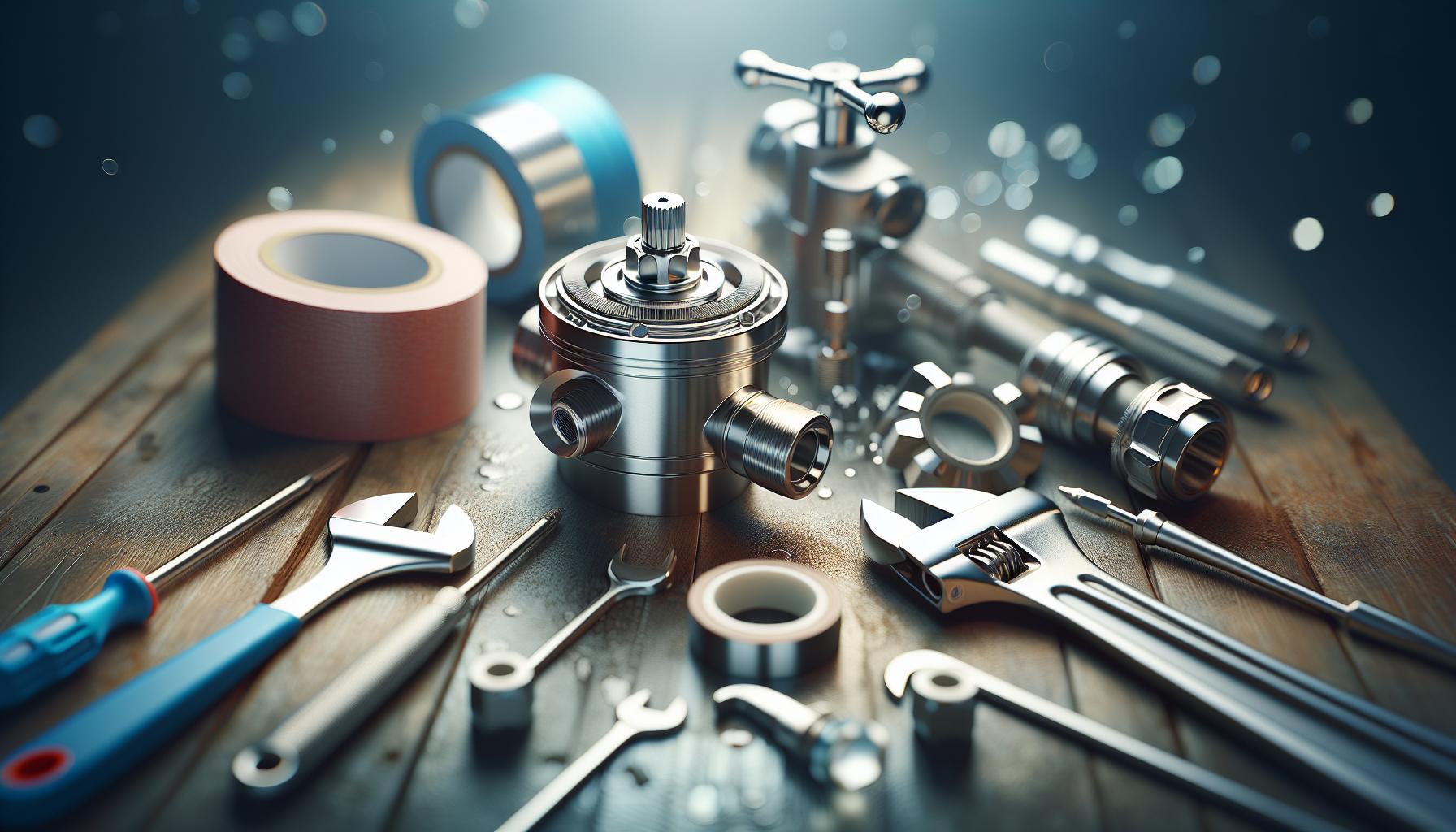
Changing a float valve may sound daunting, but with the right tools and preparation, it can be a smooth and manageable process. Before diving into the replacement, having a well-equipped toolbox not only ensures efficiency but also boosts your confidence as you tackle this DIY project. Here’s a breakdown of essential tools and materials you’ll need for changing a float valve.
Key Tools and Materials
- Adjustable Wrench: Critical for loosening and tightening nuts and fittings associated with the float valve’s installation.
- Screwdrivers: Both flat-head and Phillips screwdrivers will be necessary for removing screws securing the float valve to its housing.
- Channel Lock Pliers: These can provide additional grip to hold components steady while you work.
- Bucket or Container: Used to catch any water that might spill from the tank during the replacement process.
- Plumber’s Tape: Essential for sealing threaded connections to prevent leaks once the new valve is installed.
- Replacement Float Valve: Ensure you have a compatible float valve on hand to replace the old one effectively.
- Towels or Rags: Useful for wiping away excess water and keeping your workspace clean.
- Safety Goggles and Gloves: Protecting yourself during the process is paramount, especially from any debris or water that might splash during the removal.
Having the right tools at your disposal not only enhances the efficiency of the replacement process but also reduces the likelihood of injuries or mistakes. For instance, using the adjustable wrench can prevent stripping bolts, while plumber’s tape ensures that your new valve is leak-free. Even if you’re new to DIY projects, these tools are user-friendly and widely available, building a solid foundation for your future repairs.
Preparation Steps
Before you start, prepare your workspace by ensuring that the area around your water tank is clear of obstacles. Turn off the water supply to your tank and drain it partially to minimize spillage when replacing the float valve. This preparation not only makes the project easier but also enhances safety.
In conclusion, equipping yourself with these essential tools and materials paves the way for a successful float valve replacement. Once you have these items ready, you’re well on your way to restoring optimal function to your water tank with confidence and ease.
Step-by-Step Guide to Changing the Float Valve

Changing a float valve in your water tank can significantly enhance performance and prevent costly water damage, making it an essential DIY task for homeowners. The process, while seemingly intricate, is quite manageable with careful attention to detail and safety precautions. Here’s how to successfully change your float valve step by step.
Start by confirming that your water source is completely turned off to prevent leaks. Once the supply is off, you can drain the tank partially, ensuring that there’s minimal water left in the tank. This makes the entire process cleaner and more comfortable. With your workspace prepped and your tools ready, locate the float valve, which is often situated near the fill tube or connected to the tank.
Removing the Old Float Valve
Begin with your adjustable wrench to loosen and detach any nuts connecting the old float valve to the tank. It’s often helpful to hold the valve steady with your channel lock pliers while working to avoid twisting or damaging other components. Carefully unscrew any mounting screws, utilizing your screwdrivers as needed. During this stage, keep your bucket or container handy to catch any residual water that may spill out.
Once the old float valve is free, inspect the connections and the area for signs of wear or damage. This is also a good time to clean the tank’s interior and remove any sediment or debris that may have accumulated. With the old valve removed, you can prepare to install the new one. Make sure the replacement valve matches the specifications of the previous one, guaranteeing compatibility for a successful fit.
Installing the New Float Valve
For installation, apply plumber’s tape to the threaded connections of the new float valve to ensure a tight, leak-proof seal. Position the new float valve correctly, aligning it with the mounting holes and connections. Secure the valve in place by tightening the nuts gently, taking care not to overdo it, as this could cause damage. Reattach any screws with your screwdriver, ensuring they are snug but not overly tight.
Next, it’s time to reconnect the water supply. Gradually turn on the water source, watching carefully for any leaks around the new float valve connections as the tank refills. This allows you to address any potential issues immediately rather than waiting until after the tank is full.
Final Checks
After the tank has filled, test the float valve for functionality. It should rise with the water level and shut off the flow when it reaches the designated height. Adjust the height settings if necessary, based on your water tank requirements. Clean up your workspace, disposing of the old float valve properly and wiping up any excess water.
With a little patience and the right approach, you’ll find that replacing a float valve can be a straightforward task that restores the efficiency of your water tank. By following these steps, you empower yourself to maintain your home effectively while gaining confidence in your DIY skills.
Common Mistakes to Avoid When Replacing Float Valves
When tackling the replacement of a float valve in your water tank, it’s easy to underestimate the nuances of the task, especially for first-time DIYers. Common mistakes can often lead to unnecessary leaks, inefficiencies, and even potential damage to your water tank. Understanding these pitfalls can not only streamline your project but also save time and frustration in the long run.
One prevalent error is neglecting to turn off the water supply completely before beginning the process. Even a minor trickle can complicate your work, leading to spillage and creating a mess. Always double-check that the water line is fully closed; a simple test with the faucet can confirm that water isn’t flowing. In addition, failing to drain the tank adequately can result in residual water spilling out during the replacement. Aim to leave only a small amount in the bottom to ease the procedure.
Another significant mistake is overlooking the compatibility of the new float valve with your water tank model. Many homeowners purchase float valves based solely on appearance or price, but getting the right size and type is crucial. It’s advisable to take notes or pictures of the old valve during removal, allowing you to compare it with the new one to ensure a proper fit. Compatibility issues can lead to improper installation, which might not only cause leaks but also void any warranties.
Lastly, many people forget the importance of using plumber’s tape on threaded connections. This simple step can safeguard against leaks and should be regarded as essential. Applying tape improperly or omitting it altogether can lead to a frustrating experience of tightening connections without achieving a secure seal.
By preparing thoroughly, selecting the right materials, and following best practices, you can improve your chances of a successful float valve replacement. Embrace the process with patience, knowing that avoiding these common pitfalls will enhance your confidence as a DIYer and add longevity to your water tank system.
Maintaining Your Water Tank for Longevity
Maintaining the longevity of your water tank is an essential step that not only enhances its performance but also saves you money in the long run. Proper upkeep can significantly reduce the risk of costly repairs and prolong the life of both the tank and its components, including the critical float valve. An often-overlooked aspect of maintenance is consistency; just as with any home appliance, regular check-ups can help identify potential issues before they escalate.
One of the first steps in maintaining your water tank is to perform routine inspections. Regularly check for signs of wear and tear, rust, or unusual noises that might indicate a malfunction. It’s beneficial to set a schedule-whether monthly or quarterly-and adhere to it rigorously. During these inspections, pay particular attention to the float valve mechanism and surrounding areas. Make sure the valve is operating correctly and that there are no leaks or mineral buildups. If you detect any issues, address them promptly.
Checking and Flushing the Tank
Regularly flushing your water tank is another best practice to ensure longevity. Over time, sediments can accumulate in the bottom of the tank, which may lead to inefficient heating and operational failures. To maintain optimal performance:
- Turn off the water heater and allow the tank to cool.
- Attach a hose to the drain valve and direct the other end to a suitable drainage area.
- Open the drain valve and allow the water to run until it runs clear, which indicates that most of the sediments have been removed.
- Close the drain valve and refill the tank by turning on the water supply.
Importance of Water Quality
Water quality plays a crucial role in maintaining your tank’s integrity. Hard water can lead to mineral buildup and corrosion, affecting the float valve and plumbing system. Installing a water softener can mitigate these issues if you have hard water in your area. Additionally, consider running tests on your water quality regularly to ensure it meets safety standards, as contaminants can also lead to tank degradation over time.
By instituting these practices, particularly regular inspections and flushes, you’ll not only enhance the operational efficiency of your water tank but also ensure that your float valve functions optimally for years to come. A proactive approach to maintenance cultivates peace of mind, knowing that your water system is reliable and efficient-a foundation for a comfortably functional home.
How to Test Your Float Valve After Replacement
Testing your new float valve after replacement is critical to ensuring it operates effectively and efficiently. A properly functioning float valve regulates the water level in your tank, preventing overflow while maintaining optimal water levels for usage. Here’s how to systematically test your float valve to confirm it’s working well and to avoid any unwanted surprises down the line.
Start by visual inspection. Once you have installed the float valve, carefully check all connections for any signs of leaks or improper fittings. Look for water dripping or moisture around the valve and the tank area. If you spot any leaks, ensure that the valve is correctly tightened and that the rubber washers are in place. A small amount of water on the surface can be normal, but a steady drip indicates a problem.
Next, it’s essential to verify the operation of the float mechanism. From the control panel, turn the water supply back on. Observe the float valve as the tank fills; the float should rise smoothly with the water level. If it becomes stuck or doesn’t rise correctly, you may need to adjust the float arm. Typically, the float should be positioned so that when the water reaches a predetermined level, the valve successfully shuts off the water flow. A malfunctioning float mechanism can lead to overfilling and cause significant damage to your tank or home.
Simulating Water Level Changes
To further validate that the valve is functioning optimally, simulate the water level changes. This can be done by briefly turning off the water supply once the tank is full, allowing it to drain until the float drops. Observe how the float valve reacts; the float should lower, and once the tank reaches the lower water level, the float should activate the valve to refill. Pay close attention to the response time. It should quickly trigger the refill cycle without any delay. If there are delays or unresponsiveness, review your installation for any obstructions or improper settings.
Lastly, consider monitoring the system over the next few days. Regular use can reveal any latent issues that may not be immediately apparent during initial testing. Keep an ear out for unusual noises-clanking, whistling, or continuous running water. These may indicate an improperly functioning float valve or other tank components. Should you notice persistent problems, it might be time to revisit your installation or consult a professional.
By conducting these initial tests and regular monitoring, you can ensure the longevity and efficiency of your water tank and float valve system, providing peace of mind and smooth operation for your home.
Troubleshooting Common Float Valve Issues
Are you experiencing issues with your float valve? Understanding the common problems that can arise with this crucial component of your water tank can help you address them quickly and effectively. Whether it’s the float becoming stuck or the valve leaking, tackling these issues head-on can prevent bigger headaches in the long run. Here are some practical troubleshooting tips to get your float valve back on track.
One common issue you may encounter is continuous water flow, which typically indicates that the float valve is not shutting off, leading to constant running water. Start by checking the float mechanism; if the float is stuck in the up position due to debris or mineral buildup, it won’t allow the valve to close properly. In such cases, turn off the water supply, remove the float and clean it thoroughly. Ensure that the float arm is correctly positioned as well; it should allow for enough movement without obstruction.
If you notice leaks around the valve, this could signify a few different problems. Often, it could be due to loose connections or worn-out rubber seals. First, inspect each connection point and tighten them if necessary. If leakage persists, it may be time to replace the rubber washers or O-rings, which can degrade over time. This maintenance step is crucial, as even minor leaks can lead to major water loss or damage in your home.
In some cases, you might experience inconsistent water levels in your tank. This could stem from a malfunctioning float or an improperly set valve. To diagnose this, observe how quickly the valve responds when the water level drops. If the float fails to trigger the refill, try adjusting the float height to ensure it is responding correctly to changes in water levels. It’s also worth testing whether the valve itself is functioning properly by temporarily removing the float and activating the valve manually.
Finally, keep an eye out for unusual noises like banging or hissing, which can indicate air in the system or improper valve operation. If you hear these sounds, consider checking the pressure settings in your tank or inspecting for signs of wear or damage in the valve mechanism. Addressing these issues before they escalate can save you time and resources down the line.
By being proactive and knowledgeable about these common float valve problems, you can maintain optimal functionality in your water tank system. Troubleshooting can seem daunting, but by approaching each issue methodically, you empower yourself with the ability to maintain a reliable water supply for your home.
FAQs About Float Valves and Water Tanks
When it comes to float valves and their role in maintaining the water levels in your tank, many homeowners and DIY enthusiasts often have similar inquiries. Understanding these components not only helps in effective maintenance but also empowers you to make informed decisions when issues arise or when it’s time for a replacement.
What is a float valve, and how does it work?
A float valve is a mechanical device used in water tanks to regulate water levels automatically. It operates on the principle of buoyancy; as water fills the tank, a buoyant float rises and eventually triggers the valve to shut off the water flow when a specified level is reached. This ensures that the tank does not overflow while maintaining adequate water supply. If you’re new to this concept, think of it like a toilet cistern-when the tank fills, the float mechanism stops it from overfilling.
How often should I check or replace my float valve?
Regular checks on your float valve can help prevent unexpected malfunctions. Ideally, you should inspect it every six months, particularly if you notice signs of wear, leakage, or irregular water levels. In terms of replacement, if the float valve is over five years old or has required multiple repairs, it may be prudent to consider a new unit to ensure optimal functionality and prevent further complications.
Can I replace a float valve on my own?
Absolutely! Changing a float valve is a manageable DIY task with the right tools and guidance. Start by shutting off the water supply to the tank, and follow a step-by-step guide to ensure safety and accuracy. If you’re apprehensive, watching video tutorials or consulting with a knowledgeable friend can provide additional reassurance.
What tools do I need to change a float valve?
You’ll typically need a few basic hand tools for this task:
- Wrench or pliers: For loosening and tightening the nuts on the float valve.
- Screwdriver: To remove any screws holding the old valve in place.
- Basin or towel: To catch any water that may spill when you remove the old valve.
- Replacement float valve: Ensure you have the correct size and type for your tank.
Before beginning the project, it’s a good idea to wear gloves for safety and have a bucket nearby to manage any excess water. Taking these steps not only streamlines the process but also helps maintain your confidence in completing the repair correctly. Engaging in regular maintenance and understanding the function of your float valve can foster a healthier, more efficient water system within your home.
Additional Resources for DIY Water Tank Repairs
For anyone looking to take on the DIY challenge of float valve replacement in a water tank, having a wealth of resources at your fingertips can make the difference between a frustrating experience and a successful repair. Knowledge is power-especially when it comes to understanding the nuances of your water system. The following approach combines actionable insights with practical tools to support your journey towards a well-maintained water tank.
A great starting point is to explore online video tutorials, which provide step-by-step visual guides tailored to various float valve types and tank configurations. Reputable DIY channels often break down the process into manageable segments, allowing even beginners to follow along smoothly. Additionally, many home improvement websites, such as Home Depot or Lowe’s, offer comprehensive articles and user forums where you can read about common issues and solutions, share tips, and learn from the experiences of others.
Online Communities and Forums
Joining online communities can significantly boost your confidence in handling water tank repairs. Websites like Reddit and specialized plumbing forums allow individuals to ask questions, share experiences, and gain insights from seasoned contractors and enthusiastic DIYers alike. Such engagement not only enhances your practical knowledge but can also provide emotional reassurance as community members often share their own learning curves and triumphs.
Manufacturers’ Websites
Never underestimate the value of manufacturer resources for the float valve you plan to install. Manufacturers often provide detailed installation guides, troubleshooting tips, and maintenance advice tailored to their specific products. This can be especially useful in selecting the right replacement valve and understanding your existing unit’s unique attributes.
Tools and Kits
If you’re gearing up to replace a float valve, consider investing in a plumbing toolkit that includes all the essential items like wrenches, screwdrivers, and sealants. Many outlets offer starter kits specifically for water tank maintenance, enabling you to have everything you need accessible right when you need it. This minimizes delays and keeps your project on track.
By leveraging these resources, you can approach float valve replacement with a sense of preparedness and assurance. Embrace the learning process, find motivation in community support, and remember that taking these steps not only improves your immediate water system but also contributes to your overall home maintenance skills.
Frequently asked questions
Q: How do I know if my float valve is malfunctioning?
A: Signs of a malfunctioning float valve include constant water running, frequent tank overflow, or irregular water levels. Observing these issues can help determine if the float valve needs replacement. For more details, refer to the “Signs Your Float Valve Needs Replacement” section in the article.
Q: What are the different types of float valves available for water tanks?
A: Float valves commonly come in types like ball float valves, diaphragm float valves, and magnetic float valves. Each type serves different applications, so research to choose the best one for your specific water tank needs. You can find more information in the “Understanding Float Valves: Types and Functions” section.
Q: Can I replace a float valve without shutting off the water supply?
A: It’s not advisable to replace a float valve without shutting off the water supply, as it can cause water to spill and create a mess. Always turn off the water to prevent leaks, ensuring a smooth replacement process. This is highlighted in the “Step-by-Step Guide to Changing the Float Valve.”
Q: What tools do I need to change a float valve?
A: To replace a float valve, essential tools include a wrench, screwdriver, bucket to catch excess water, and possibly Teflon tape for sealing threads. More details can be found in the “Essential Tools for Changing a Float Valve” section of the article.
Q: How long does it typically take to change a float valve?
A: Changing a float valve usually takes about 30 minutes to an hour, depending on your experience level and the complexity of your water tank setup. For a detailed guide, see the “Step-by-Step Guide to Changing the Float Valve.”
Q: What common mistakes should I avoid when replacing a float valve?
A: Common mistakes include not sealing connections properly, ignoring water supply shutoff, and using the wrong type of float valve. Avoiding these pitfalls can lead to a successful installation, as discussed in the “Common Mistakes to Avoid When Replacing Float Valves” section.
Q: What should I do if my float valve still doesn’t work after replacement?
A: If the float valve doesn’t work even after replacement, check for debris blockage, ensure the valve is oriented correctly, or consult the “Troubleshooting Common Float Valve Issues” section, which provides further steps for diagnosing problems.
Q: Where can I find replacement float valves for my water tank?
A: Replacement float valves are available at local hardware stores, home improvement centers, or online retailers. For specific recommendations, check the “Additional Resources for DIY Water Tank Repairs” section for trusted suppliers.
To Wrap It Up
Now that you’ve learned how to change the float valve in your water tank, you’re well-equipped to tackle this essential maintenance task with confidence. Remember, a properly functioning float valve is crucial for saving water and preventing costly repairs. If you have any lingering questions or concerns, don’t hesitate to reach out-we’re here to help you keep your system running smoothly!
For more insights, explore our detailed guides on “Water Tank Maintenance Best Practices” and “Common Plumbing Issues and Solutions.” And don’t forget to check out our resourceful DIY tools that can simplify your next project!
Feeling empowered? Share your experience in the comments below, and join our community for more tips and tricks by subscribing to our newsletter. By taking this step today, you’re not just protecting your home; you’re investing in a sustainable future. Stay proactive and informed as you navigate your home repair journey!


