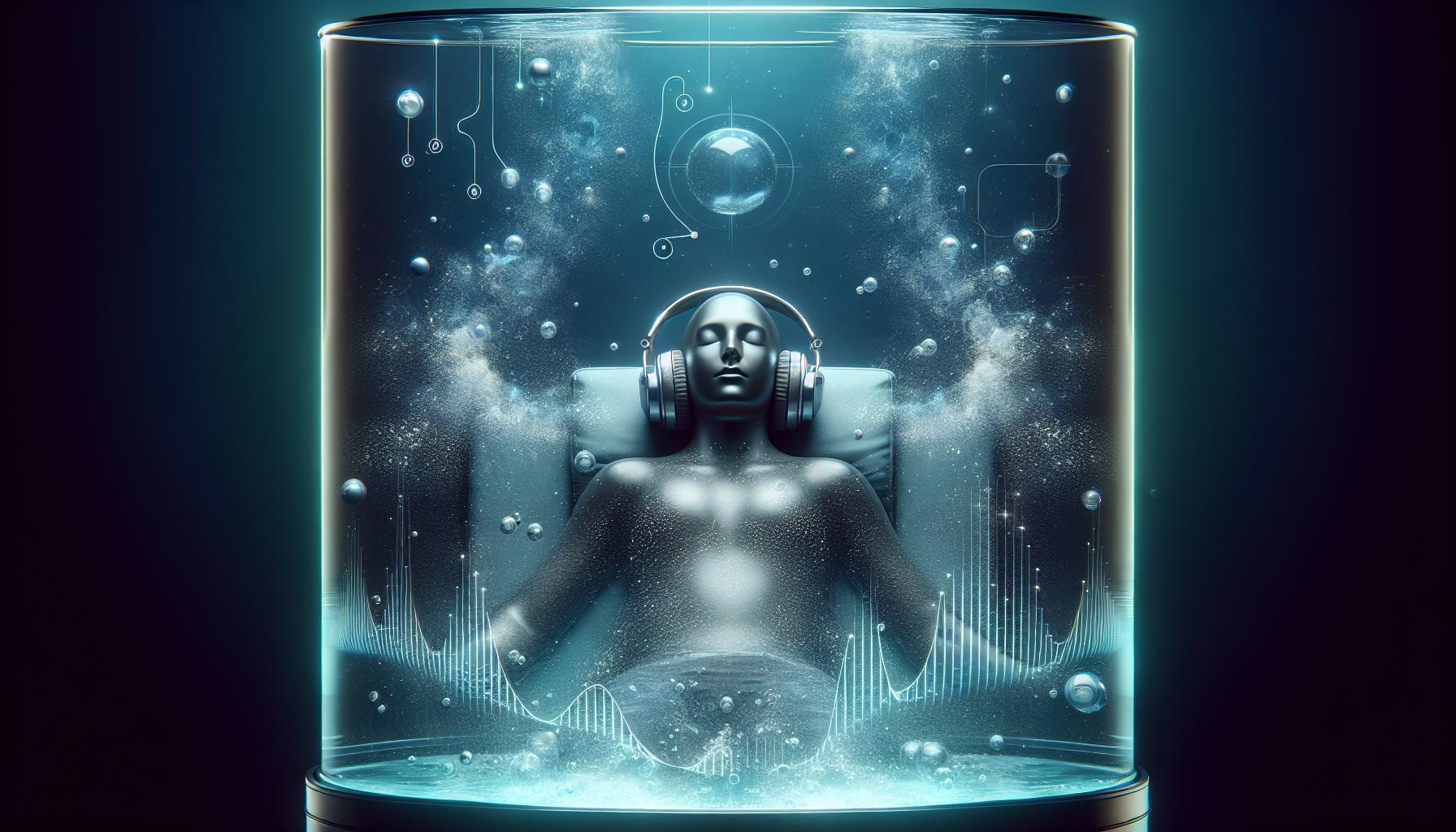

Did you know that incorporating soothing audio into your float tank experience can enhance relaxation and mindfulness? Many float tank enthusiasts ponder whether headphones can elevate their sessions, balancing tranquility with the joys of a curated audio journey.
As you explore the essence of sensory deprivation and how sound can play a role in it, you might wonder how to integrate headphones responsibly. Whether you’re a first-time floater seeking guidance or a float center owner wanting to optimize client experiences, understanding the guidelines for using audio equipment is essential.
In this article, we’ll delve into the practicality and safety considerations of using headphones in float tanks. You’ll discover expert recommendations, insightful tips, and the best practices to create an ideal environment for relaxation and reflection. Ready to enhance your float tank journey? Let’s dive in.
Choosing the Right Headphones for Float Tanks
When diving into the serene experience of a float tank, the right headphones can elevate your journey into complete relaxation and mindfulness. Selecting headphones that can withstand the tank’s unique environment-filled with warm, buoyant saltwater-requires thoughtful consideration. Prioritize sound quality, water resistance, and comfort to fully embrace the floatation experience while providing an auditory backdrop conducive to tranquility.
To ensure an optimal selection, consider headphones specifically designed for water use. Many manufacturers now offer options that are both waterproof and durable, suitable for immersion in saltwater without compromising audio fidelity. Look for headphones rated at least IPX7, which can withstand submersion in water up to 1 meter for 30 minutes. This rating is crucial for maintaining functionality while floating, freeing you from concerns about damage. Furthermore, the fit of the headphones is paramount; over-ear or in-ear designs that create a secure seal help with sound isolation, minimizing external disturbances that could affect your meditative state.
Headphone Types to Consider
- Bone Conduction Headphones: These are a fantastic option for float tanks since they rest on the temples rather than in or over the ears. They allow ambient sound in while providing a sound experience that doesn’t hinder buoyancy or comfort.
- Waterproof Earbuds: Designed specifically for use in aquatic environments, these options often come with different-sized ear tips for a customizable fit, enhancing comfort during your float.
- Noise-Canceling Headphones: If you prefer complete immersion in your auditory experience, consider noise-canceling options that can effectively drown out tank noises while also adhering to waterproof specifications.
When it comes to audio equipment compatibility, be mindful of your device’s capabilities. Portable music players and smartphones might not be equipped for seamless pairing with various headphone types. Connecting Bluetooth headphones may present challenges, especially in a water-prone environment. Opt for wired options when reliability is crucial, or ensure your device’s Bluetooth has a strong range and sound quality that meets your needs.
Investing in the correct headphones not only enhances your own experience-it can also be vital for float tank businesses. Providing guests with premium audio options can set your establishment apart and improve client satisfaction. Be proactive in gathering feedback about the headphone experience from floaters, allowing for continual improvement in your offerings.
Understanding the Float Tank Environment
The tranquil ambiance of a float tank invites you to unwind and detach from the chaos of the outside world, but understanding the environment is crucial to maximize your experience. Float tanks typically contain a mixture of water and Epsom salt, allowing the body to achieve a nearly weightless state. This unique setup aids in deep relaxation, relief from muscle tension, and enhanced mental clarity. However, the serene silence within the tank can also raise questions about how to enhance your experience through audio equipment.
The water temperature is usually set to match that of your skin-around 93.5 degrees Fahrenheit (34 degrees Celsius)-creating an environment where your body may lose track of where it ends and the water begins. This sensation deepens the meditative state, promoting a heightened level of calmness and introspection. However, introducing headphones into this environment requires careful consideration of both the audio experience and the inherent challenges posed by saltwater and buoyancy. High humidity and the saline environment can easily damage conventional headphones, which makes selecting appropriate equipment vital.
When considering audio options, be mindful that float tanks are designed to enhance relaxation through sensory deprivation. While music or guided meditations can be beneficial, it is essential to maintain a balance. Overstimulating auditory experiences may derail your intended deep state of relaxation. Instead, focus on audio selections that promote tranquility or positional awareness, allowing you to remain conscious of your surrounding environment while engaging deeply with the floatation experience.
For float tank businesses, understanding the delicate interplay of sound, environment, and wellness allows for superior customer service. Investing in quality audio equipment not only enhances individual experiences but also strengthens customer loyalty. By providing well-curated audio choices, you can create a distinctive treatment that highlights your commitment to client satisfaction and wellness. Consider offering options for varying sound preferences, from calming nature sounds to low-frequency ambient music, accommodating both the traditionalists who favor silence and those who seek auditory stimulation.
In summary, recognising the distinctive qualities of the float tank environment fosters a more fulfilling experience whether you’re a first-time floater or a seasoned entrepreneur. Prioritizing the right headphones and audio strategy can amplify the profound benefits of floatation therapy, creating a sanctuary where the mind can truly unwind.
Audio Equipment Compatibility in Float Tanks
Choosing the right audio equipment for use in float tanks can transform the sensory experience from standard relaxation to deeply immersive therapy. The unique environment of a float tank, characterized by its buoyant saline water and tranquil ambiance, poses specialized requirements for audio compatibility. Not all headphones or audio devices will adequately meet these demands, and selecting the wrong equipment can lead to discomfort or damage.
When considering headphones, look for models specifically designed for water resistance or water-proofing. Waterproof headphones are essential, as standard headphones may deteriorate when exposed to the saline solution. Additionally, look for headphones that provide a snug fit, reducing the risk of them falling off while floating. Over-ear styles with soft cushioning can enhance comfort during extended sessions, while in-ear options can help block out external noise, creating a more enveloping auditory experience.
To create a balanced auditory landscape, be mindful of compatibility with your desired audio source. Bluetooth technology offers great convenience, but it’s crucial to ensure that the Bluetooth signal can reach the area of the tank without interference. Many float centers provide dedicated streaming devices or in-tank sound systems that are compatible with specific audio formats. Wired headphones might also be a viable option, provided that the cable is designed to withstand exposure to moisture and doesn’t create a tripping hazard during sessions.
Integrating these considerations enhances both personal and professional float tank experiences. For first-time users, understanding the importance of selecting the right headphones can significantly influence the quality of your session, fostering deeper relaxation and reflection. On the other hand, float tank businesses can benefit from offering recommended audio equipment, enhancing customer experiences and reinforcing brand commitment to wellness. Providing a range of high-quality audio options ensures that every customer leaves satisfied, whether they prefer music or a serene silence.
Best Practices for Using Headphones in Float Tanks
Using headphones in a float tank can significantly enhance the experience, transforming an ordinary session into a journey of deep relaxation and introspection. However, leveraging this auditory element effectively requires careful attention to best practices to ensure maximum enjoyment and safety. First-time floaters might experience a mix of excitement and apprehension; understanding these guidelines can pave the way for a serene, enriching experience.
One of the primary considerations is ensuring that your headphones are adequately fitted and secure. A snug fit is crucial, as it minimizes the risk of them slipping off during the float. Over-ear headphones tend to provide comfort and stability, while in-ear models can effectively seal out external sounds. Consider using headphones with adjustable features to accommodate personal comfort preferences. Regardless of the type, it’s advisable to practice wearing the headphones beforehand to confirm they won’t become a distraction in the soothing waters.
Consider Your Audio Selection
Thoughtful audio selection can dramatically influence your float experience. Opting for calming sounds or guided meditations tailored for floats can facilitate relaxation and mental clarity. Many practitioners discover that ambient music, nature sounds, or frequency-based audio tracks enhance their sessions. Avoid using music with sharp beats or intense lyrics, as these may disrupt your meditative state. Instead, consider platforms that provide playlists specifically designed for mindfulness practices.
Cleaning and Maintenance
Hygiene is an essential aspect of using headphones in float tanks. After each session, thoroughly rinse off your headphones with fresh water to remove any saline residue that can corrode the materials over time. Regular cleaning not only preserves the quality of the headphones but also ensures a safe and sanitary experience for each float. Additionally, consider using headphones with removable parts or antimicrobial coatings, which can further simplify cleaning routines.
To summarize, integrating headphones into your float experience can enhance relaxation, but it necessitates careful consideration of fit, audio content, and hygiene practices. Whether you are a first-time floater looking to immerse yourself in tranquility or a float business aiming to provide top-notch amenities, following these best practices will ensure that the auditory aspect of you or your customers’ float sessions enriches the overall therapeutic journey.
Potential Risks of Using Headphones in Float Tanks

Using headphones during float tank sessions may seem like a straightforward enhancement, but it’s essential to acknowledge the potential risks involved. One significant concern is the possibility of water ingress, especially with non-waterproof models. Inadvertently allowing water to seep into the ear cups or connectors can damage your audio equipment and create an uncomfortable experience. Thus, investing in high-quality, waterproof headphones is crucial for safeguarding both your device and your peace of mind during your float.
In addition to equipment damage, there are also health considerations to keep in mind. If headphones are not thoroughly cleaned after each use, they may harbor bacteria or mold, posing a risk to your ear health. Regular disinfection should become part of your routine, especially if you frequently float or share headphones with others. Consider using antimicrobial headphone models that can mitigate these concerns and reduce the effort required in maintaining hygiene.
Another aspect that could detract from the float experience is the potential for audio distractions. While soothing music or nature sounds can elevate your session, poorly chosen content with sudden loud crescendos or jarring noises may disrupt your meditative state. It’s advisable to preview your audio selections to ensure a seamless listening experience throughout your float.
In businesses that provide float tank services, it’s important to weigh these risks when offering headphone options to customers. Clear communication about the right type of headphones to use, proper cleaning protocols, and recommendations for suitable audio selections can enhance client safety and satisfaction. Implementing a guidance system for equipment use can help cultivate a calm and restorative environment for those seeking to unwind. By addressing these potential risks, float sessions can truly become an oasis of relaxation, enriched by sound but free from concern.
Alternative Audio Options for Float Tank Sessions
Finding the right audio experience in a float tank can significantly enhance your relaxation journey, but headphones aren’t the only option available. Consider a variety of alternative audio formats that can immerse you in sound without the complications of using traditional headphones. These options can provide a seamless auditory backdrop that complements the serene environment of the float tank.
One popular alternative is the use of waterproof speakers designed specifically for wet environments. These devices can be placed within or outside the float tank, allowing you to enjoy sound without the concern of headphone hygiene or discomfort. High-quality waterproof speakers can deliver rich, immersive sound, filling the tank with calming music or nature sounds that create a tranquil atmosphere. Look for models that feature Bluetooth connectivity for hassle-free pairing with your devices, ensuring a hassle-free audio setup.
Another effective approach for enhancing your float experience is through ambient sound systems that can be integrated directly into the float tank. Many contemporary float tanks come equipped with built-in audio systems that allow for an effortless listening experience. These systems often feature a selection of pre-recorded tranquil soundscapes or white noise tracks specifically designed to foster relaxation. By eliminating the need for headphones, these integrated systems offer a unique blend of sound without the risk of water damage.
Exploring Sound-Enhancing Methods
In addition to speakers and embedded audio systems, consider other methods to enhance sound quality:
- Sound Bath Sessions: Some float centers offer pre-scheduled sound bath experiences, where soothing sounds from singing bowls, gongs, or chimes fill the tank, creating an immersive auditory experience.
- Personalized Soundtrack: Before your float session, curate a playlist of calming tracks using a music streaming service. Opt for music designed for meditation or relaxation to set your intention and ensure a tranquil atmosphere.
- Guided Meditations: Audio guides that lead you through a meditation can also serve as a peaceful backdrop in your float tank session. Many guided meditations are available in apps that allow for offline access, ensuring you have a distraction-free experience.
With thoughtful preparation, these alternatives can greatly enrich your float experience. By focusing on sound solutions that prioritize ease and enjoyment, you can ensure that your float sessions are as relaxing and restorative as possible. For business owners, considering these audio alternatives not only enhances customer satisfaction but also elevates the overall floating experience, encouraging repeat visits and establishing a niche reputation for your float center.
Enhancing Your Float Experience with Sound
Finding the optimal sound environment within a float tank can transform a regular session into an immersive journey of relaxation and clarity. As the act of floating induces profound stillness, incorporating soothing sounds can deepen your experience, providing a backdrop that enhances your mental and emotional well-being. Whether it’s through curated playlists, ambient nature sounds, or advanced audio technology, the right auditory elements can elevate your float experience immeasurably.
One effective approach to enhance your float sessions is through curated soundtracks. Begin your journey by selecting calming music that resonates with your personal taste. Many music streaming services offer playlists specifically designed for meditation, relaxation, or even floatation therapy. Choose tracks that feature gentle melodies and natural sounds, like ocean waves or forest birdsong, to create a serene auditory landscape. Preparing this playlist ahead of your session allows you to seamlessly transition into a peaceful mindset as soon as you enter the tank.
For a more advanced auditory experience, consider utilizing effective ambient sound systems. Many modern float tanks come equipped with integrated audio systems, which can deliver a selection of pre-recorded soundscapes. These can include anything from tranquil music to white noise, specifically designed to encourage relaxation. This eliminates the need for cumbersome headphones, allowing you to float freely and comfortably while still benefiting from the therapeutic power of sound. If you are a business owner, investing in quality audio systems for your float tanks can enhance your customers’ experiences, leading to improved satisfaction and repeat business.
Another avenue to enrich your float experience is through guided meditations. These audio guides not only promote relaxation but also provide a structured pathway to calmness. Many guided meditations are available for download on various apps, allowing you to choose sessions that suit your needs or desired duration. By using these meditative resources, you can cultivate a deeper state of mindfulness and enjoy heightened levels of tranquility during your float.
As you prepare for your float session, remember that each element of your sound experience plays a vital role in achieving an optimal state of relaxation. By thoughtfully integrating sound into your float regimen, you not only enhance personal rejuvenation but also create an inviting atmosphere for potential floatation businesses looking to offer an unforgettable experience.
Adjusting Volume Levels for Maximum Relaxation
Finding the perfect balance of sound during your float session can significantly elevate your relaxation experience. Intangible yet impactful, the right volume levels play a crucial role in how sound integrates with the sensory deprivation of float tanks. Adjusting your audio to an optimal range ensures that soothing melodies or guided meditations remain present but unobtrusive, promoting a state of tranquility rather than distraction.
When selecting volume levels, consider these practical steps to enhance your float experience:
- Test Before You Float: Prior to your session, take time to test your audio equipment. Play your curated playlist or guided meditation at a volume comfortable for you, ensuring it is tranquil enough to enhance your relaxation without overwhelming your senses.
- Start Low: As a general guideline, begin with a lower volume setting. Floating already creates an atmosphere of calm, so a subtle sonic backdrop often works best. You can adjust it slightly upwards if needed, but always prioritize a soothing experience over loudness.
- Pay Attention to Bass Levels: Heavy bass can create an unsettling environment as it reverberates through the tank. Opt for mid to high-range frequencies that invoke a sense of calm. This approach can help maintain that peaceful ambiance essential for deep relaxation.
- Monitor Sensitivity: Each individual’s sensitivity to sound varies. Initial floaters might find lower volumes more comforting, while seasoned users may prefer a slightly higher setting. Be mindful of how your body responds and adjust accordingly.
Adaptability is key throughout your float experience. The ideal volume can shift during your session based on your sensations and the immersive environment you create. For example, if you begin to feel restless or distracted, reconsider your volume setting. Lowering the audio can help you refocus and sink deeper into your float state.
For commercial float businesses, it is essential to educate clients on the significance of controlled volume levels. Create an auditory environment that complements the sensory experience of floating. By promoting awareness about adjusting sound, you contribute to a welcoming atmosphere that prioritizes clients’ relaxation and satisfaction. Provide clear instructions on how to manage volume levels and encourage feedback during their sessions, adapting your audio solutions to enhance repeat experiences tailored to individual preferences.
Understanding the nuances of sound volume will not only enrich personal float sessions but can also position your float tank business as a leader in enhancing the overall experience through delightful auditory integration.
Hygiene and Maintenance of Headphones in Float Tanks
Maintaining hygiene and ensuring the longevity of headphones used in float tanks is essential for both personal comfort and business standards. Float tanks are designed to create a serene and immersive environment where sensory deprivation can significantly enhance relaxation. However, this intimate setting can also lead to potential hygiene issues if audio equipment is not carefully maintained. Proper care and cleaning of headphones not only safeguard your health but also enhance your float experience.
To maintain the highest hygiene standards, consider the following steps:
- Use Waterproof or Water-Resistant Headphones: Opt for headphones designed specifically for aquatic environments. These models often feature materials resistant to moisture and salt, making them less prone to damage and easier to clean.
- Pre- and Post-Session Cleaning: It’s vital to clean your headphones before and after each float session. Use a gentle, damp cloth to wipe down the exterior, paying special attention to areas that come into contact with your skin. A water and vinegar solution can help disinfect while being safe for electronics.
- Regular Inspection: Inspect headphones regularly for signs of wear or damage. Pay particular attention to earpads and cables, as these parts are most susceptible to moisture exposure. Replace any compromised components immediately to ensure both hygiene and audio performance.
For entrepreneurs managing float tank facilities, establishing a robust hygiene protocol for shared headphones can elevate your business’s reputation. Consider implementing a cleaning schedule that includes daily disinfection of all equipment, along with using disposable covers or ear pads. This not only caters to cleanliness but also reassures clients about their health and safety while floating.
Communicating best practices to clients is equally important. Provide clear instructions on how to maintain their personal headphones if they choose to bring their own, as well as guidelines on the importance of hygiene in shared equipment. This proactive approach not only enhances the overall float experience but also sets your facility apart as a wellness haven committed to high standards of cleanliness and client comfort.
By prioritizing these hygiene and maintenance recommendations, you can ensure that both the listening experience and overall floating environment remain serene and enjoyable, whether it’s a personal session or a business offering.
Float Tank Audio Equipment for Businesses
Creating an inviting and relaxing atmosphere is essential for float tank businesses, and the right audio equipment plays a crucial role in shaping that experience. Many float centers are now incorporating advanced audio technology to enhance the calming effects of the float. Not only can soothing sounds help clients unwind, but they also complement the sensory deprivation nature of float tanks in a way that heightens relaxation and reduces stress.
One of the primary considerations for facilities is to choose audio equipment that is waterproof or water-resistant, designed specifically for use in humid environments. This protective feature not only ensures the durability of the devices but also enhances safety for clients who may be anxious about using electronics in a float tank. A variety of brands now offer headphones with specialized coatings and materials that withstand exposure to water without compromising sound quality, which is essential to deliver therapeutic audio experiences.
To implement effective audio solutions in float tanks, businesses should also consider creating a variety of sound environments. Offering clients options like calming nature sounds, guided meditations, or ambient music can cater to varied preferences and enhance their overall float experience. Understanding customer needs is key, and incorporating feedback can help in curating playlists that resonate with your clientele. Additionally, programming audio physiologically and psychologically designed tracks can maximize relaxation and support the meditative benefits that float tanks offer.
When it comes to operational considerations, establishing a structured maintenance regime is critical. Regular checks and cleaning schedules can prevent any possible sound degradation and hygiene issues. It’s beneficial to provide clear guidance and training for staff on handling audio equipment within the float environment to ensure that equipment remains in optimal condition and that clients are informed about its usage.
In summary, tailoring audio equipment for business use in float tanks not only improves the client experience but also positions your facility as a leader in wellness and relaxation. By adopting a thoughtful approach to equipment selection and customer engagement, float centers can create transformative experiences that encourage repeat visits while promoting wellbeing and relaxation.
Customer Preferences: Sound vs. Silence in Float Tanks
The choice between sound and silence in float tanks can significantly influence an individual’s sensory experience and overall relaxation. While some floaters find solace in complete quiet, allowing their minds to drift into deep meditative states, others prefer the gentle embrace of sound, such as calming music or nature sounds, that helps guide their thoughts away from daily life. This tension between auditory stimulation and sensory deprivation leads to a fascinating exploration of personal preferences and their impact on the floating experience.
For many first-time floaters, anticipation of absolute silence can be intimidating. The fear of being alone with one’s thoughts may lead them to lean towards audio options. Offering a variety of sound environments, such as ambient music or guided meditations, can ease this anxiety. Some float centers have successfully incorporated a pre-float consultation process, where clients can express their preferences for sound types or indicate a desire for silence. This personalization fosters a supportive atmosphere, ensuring clients feel more at ease during their session.
On the business side, understanding customer preferences regarding sound can enhance client satisfaction and retention. By gathering feedback through surveys or informal chats after sessions, float centers can discover trends in audio preferences. For instance, some floaters may enjoy a nature soundscape during their sessions, reporting greater relaxation and connection to the environment. Others might prefer silence for deeper introspection or spiritual exploration. Tailoring audio offerings based on these insights not only supports the individual needs of clients but can also differentiate a float center in a competitive wellness market.
It is essential to maintain a high standard of audio equipment for those who choose sound during their float. Ensuring that headphones are not only comfortable and waterproof but also produce high-quality sound can elevate the experience. Regular checks on equipment and meticulous hygiene practices contribute to a positive client experience. Creating a space where both sound and silence are celebrated as valuable options can ultimately cultivate a welcoming atmosphere that resonates with a wide range of clientele, making them more likely to return and recommend the float experience to others.
By embracing the duality of sound versus silence, float centers can cater to the diverse needs of their clientele, ensuring that every individual’s float journey is uniquely their own.
Future Trends in Audio Technology for Float Tanks
As the wellness industry evolves, so too does the technology designed to enhance experiences in float tanks. The integration of advanced audio technology is poised to transform how individuals navigate their sensory journeys. With innovations emerging in sound quality, wireless communication, and personalized listening experiences, floatation therapy is becoming even more accessible and enjoyable-especially for first-timers who may benefit from auditory guidance during their sessions.
Seamless Wireless Audio Solutions
Recent advancements in wireless audio technology have led to the development of high-fidelity Bluetooth headphones that are both comfortable and fully waterproof. These ergonomic designs not only eliminate the hassle of cords in a float tank but also ensure users have the freedom to move within the tank without interruption. For float centers, investing in these high-quality wireless systems can significantly enhance the user experience by minimizing the risk of equipment malfunction while providing high-quality sound.
Consider introducing premium wireless options, such as noise-canceling models that immerse users in soothing sounds while blocking distractions from the outside world. This feature is particularly beneficial for those who are new to floating and might feel apprehensive in a quiet setting. For business owners, providing a range of headphone styles allows clients to choose based on comfort preferences, potentially increasing customer satisfaction and repeat visits.
Personalized Soundscapes
The future also looks promising for personalized audio experiences. Imagine a situation where floaters can adjust the audio settings in real-time according to their mood or preferences at the moment. Using apps synced to the float center’s audio equipment could allow clients to select tracks from a library of calming music, nature sounds, or even guided meditations. This concept not only offers a tailored experience but also engages clients, allowing them to actively participate in their relaxation journey.
Moreover, the implementation of recent technologies such as bioguided sound, which adapts audio outputs based on physiological feedback (like heart rate), holds incredible potential for those seeking optimal relaxation during their float sessions. This level of interaction could revolutionize float therapy, creating a uniquely personalized and responsive environment that evolves with the floater’s needs.
Enhanced Hygiene and Maintenance Technologies
As the focus on hygiene in wellness environments increases, so does the need for audio equipment that supports cleanliness. Future innovations may prioritize materials that are easily sanitized and resistant to bacteria without sacrificing sound quality. Float centers could benefit from investing in audio systems that integrate with existing sanitation technologies, ensuring all equipment is not only effective in enhancing the float experience but also hygienic.
In summary, the convergence of enhanced audio technologies and personalized experiences offers a sophisticated approach to floatation therapy. By embracing these trends, float centers can position themselves at the forefront of the wellness industry, catering not just to individual preferences but also to the changing norms surrounding health and well-being. This proactive approach is not only vital for enhancing customer satisfaction but also for cultivating loyalty in a competitive market.
Frequently asked questions
Q: Can I wear wireless headphones in a float tank?
A: Yes, you can wear wireless headphones in a float tank, provided they are water-resistant or waterproof. It’s advisable to ensure your headphones are designed to withstand moisture, as this will enhance your listening experience while protecting the equipment. Check the specifications before your float session.
Q: What type of sound can I listen to while floating?
A: You can listen to calming music, guided meditation, or ambient nature sounds while floating. These types of audio can enhance relaxation and mindfulness. Consider using playlists specifically designed for floatation therapy to maximize your experience.
Q: How do I keep my headphones clean after using them in a float tank?
A: To keep your headphones clean, rinse them with fresh water immediately after use to remove salt and contaminants. Wipe them down with a soft cloth and allow them to dry completely before storing them. For thorough cleaning, refer to the manufacturer’s guidelines for specific care instructions.
Q: Are there any specific volume level recommendations for headphones in a float tank?
A: It’s best to keep the volume at a moderate level to avoid discomfort and ensure you can still hear calming ambient sounds. Start at a lower setting and adjust gradually. This approach helps create a tranquil environment while minimizing strain on your ears.
Q: Is it safe to use headphones with noise-canceling features in a float tank?
A: Yes, noise-canceling headphones can enhance your experience by blocking external sounds. However, ensure they are comfortable and not too tight to prevent any discomfort during your float session. Testing different models can help you find the right fit for full relaxation.
Q: How can audio help with anxiety during a float session?
A: Listening to soothing audio can significantly reduce anxiety during a float session. Calming music or guided meditation can help clear your mind, distract from stressors, and promote relaxation. Experiment with different audio experiences to discover what works best for you.
Q: What alternatives exist for audio if I don’t want to use headphones?
A: If you prefer not to use headphones, consider float tanks equipped with built-in speakers that play ambient music or nature sounds. This option allows you to experience sound therapy while maintaining comfort. Check with your float center for available audio options.
Q: Where can I find the best headphones suited for float tanks?
A: You can find headphones suitable for float tanks at specialized stores or online retailers. Look for models labeled as water-resistant or specifically designed for wellness environments. Reading reviews and checking customer experiences can also help guide your selection.
For more insights on enhancing your float tank experience, explore our detailed sections on headphone hygiene and best practices in the full article.
In Summary
As you explore the soothing depths of a float tank, the right audio experience can truly enhance your journey. Remember, quality headphones can elevate your relaxation, but always prioritize safety and comfort while floating. If you’re intrigued by how sound can amplify your wellness experience, be sure to check out our articles on “Best Headphones for Float Tanks” and “Sound Therapy Techniques for Floatation.”
Ready to dive deeper into your floating experience? Don’t miss the opportunity to sign up for our newsletter, where we share exclusive tips and tools to enhance your wellness journey. If you have any lingering questions or hesitations about using audio equipment in float tanks, feel free to drop a comment below; we’re here to help! By embracing these insights, you’ll not only optimize your float sessions but also empower your overall wellness routine. Happy floating!