


Did you know that float therapy can reduce stress, alleviate anxiety, and enhance creativity? It might sound like a luxury reserved for upscale spas, but creating your own float tank at home is more achievable than you think. As you seek ways to prioritize your wellness amidst a hectic lifestyle, a personal float tank provides a sanctuary for relaxation and reflection.
In a world that constantly demands our attention, taking time for self-care is essential. Building a float tank can offer an affordable, convenient solution right in your space, allowing you to enjoy the numerous benefits of sensory deprivation whenever you desire. Imagine stepping into your own tranquil oasis, free from distractions and pressures, to recharge both body and mind.
If you’re curious about how to turn this vision into reality, you’re in the right place. This guide will walk you through the process of creating a float tank tailored to your needs, equipped with expert tips to ensure safety and efficacy. Get ready to embark on a journey toward ultimate relaxation and well-being!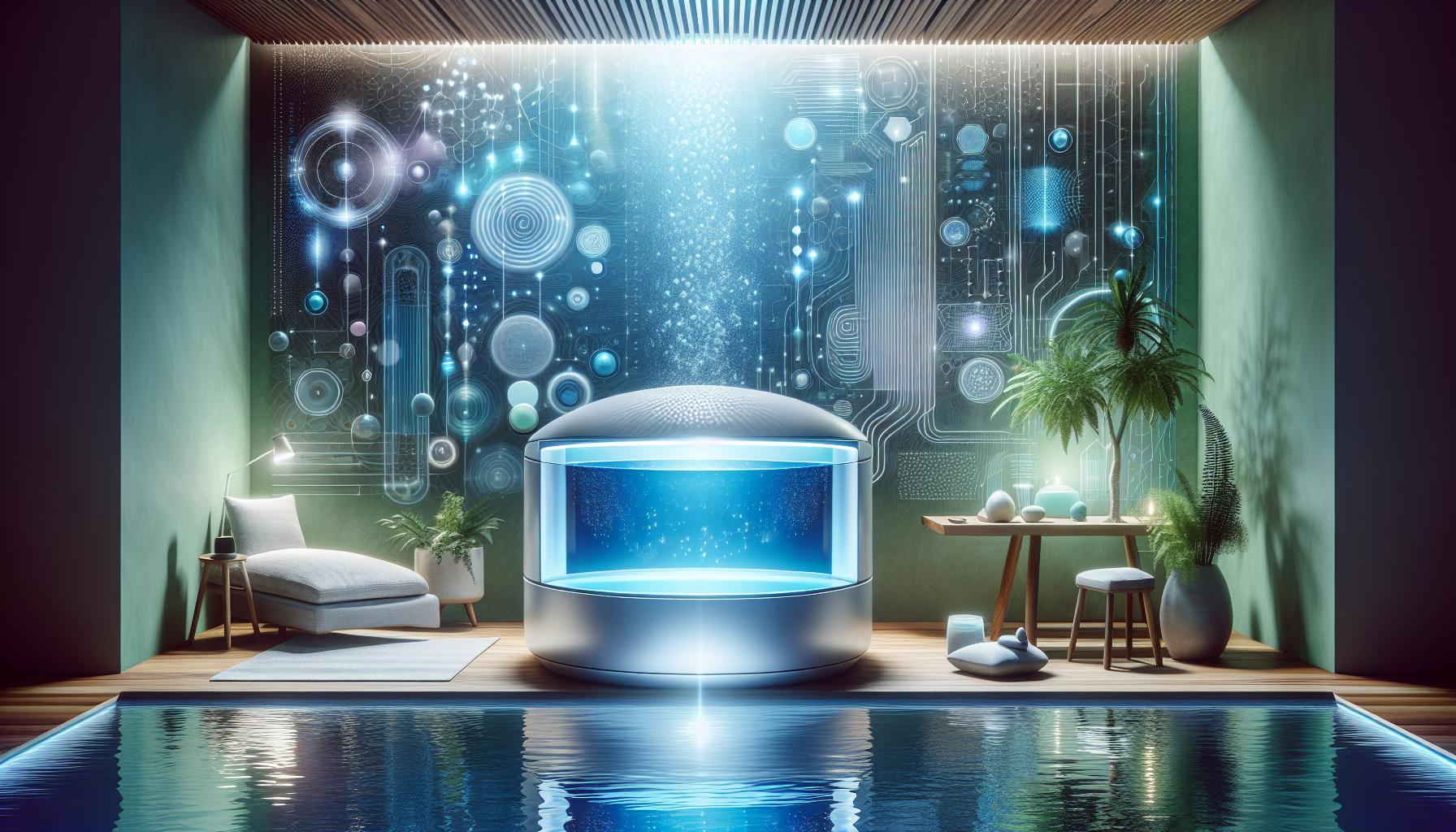
Essential Benefits of Float Tanks at Home
Imagine stepping into a serene oasis where the stresses of daily life dissolve with each moment spent suspended in warm, buoyant water. Float tanks, often found in wellness centers, are becoming increasingly popular for their ability to foster relaxation, reduce anxiety, and promote overall well-being. Bringing this tranquil escape into your home offers a myriad of benefits that can transform not just your mental state but also enhance your physical health and productivity.
Building a float tank at home creates a personal sanctuary that caters to your needs. Regular sessions can significantly improve sleep quality, lessen chronic pain, and enhance focus by allowing your mind to drift into deep relaxation. The experience of sensory isolation in a float tank facilitates meditation-like states, which can lead to heightened creativity and improved problem-solving abilities. Moreover, for those leading busy lives or managing high-stress jobs, a dedicated space for floating at home can serve as a crucial tool for self-care, significantly impacting mental clarity and emotional resilience.
- Convenience: Having a float tank at your disposal means you can unwind whenever you need to, without needing to schedule an appointment or travel.
- Cost-Effectiveness: While the initial investment might seem substantial, over time, the savings compared to regular visits to commercial float centers can be considerable.
- Personalization: A DIY float tank allows you to customize the experience-whether it’s the water temperature, Epsom salt concentration, or even the ambient lighting and sound.
- Enhanced Well-Being: Regular use of a float tank can assist in reducing stress hormones, alleviating muscle tension, and improving circulation, thereby promoting physical recovery as well.
- Potential for Business: If you’ve considered sharing this beneficial experience, a home float tank can serve as a prototype for a larger float business, allowing you to test the waters of the floating industry sustainably.
Each of these aspects creates a holistic approach whereby the physical, mental, and even entrepreneurial benefits intertwine, offering a path toward greater health and potential business venture. Whether you are seeking a refuge from the chaos of life or an opportunity to invest in wellness entrepreneurship, a float tank at home could be your next step toward refreshment and rejuvenation.
Understanding Different Float Tank Types
Imagine floating effortlessly in a state of complete bliss, with the weight of the world lifted from your shoulders. The experience of using a float tank can vary significantly depending on the type of tank you choose for your home setup. Each type offers distinct benefits and can cater to diverse preferences, lifestyles, and budget considerations. Understanding these differences is key to selecting the best option that aligns with your personal wellness goals or entrepreneurial aspirations.
There are primarily three types of float tanks that you might consider for your home: pod style, open pool style, and DIY style.
- Pod Style: These tanks are encapsulated structures that provide a cozy and enclosed space for floating. They often resemble large capsules and typically come with a lid that can be closed to enhance sensory isolation. This style is ideal for those looking for an immersive experience that minimizes external distractions. Pod tanks offer advanced features, such as built-in ambient lighting and sound systems, which can be controlled to customize your float experience. However, they tend to be on the pricier side, making them a long-term investment.
- Open Pool Style: These tanks are designed more like small swimming pools, providing an open space for floating. They usually do not have a lid, allowing complete freedom of movement. This style is perfect for individuals who may feel claustrophobic in a pod or for those looking to accommodate multiple floaters at once. Open pools can also be more cost-effective, as they often require less complex setup compared to pod-style tanks.
- DIY Style: For the budget-conscious or the adventurous at heart, creating a DIY float tank is a compelling option. Utilizing a simple inflatable pool or a bathtub can be transformative with the right materials, such as Epsom salt and proper insulation for temperature control. This approach offers the ultimate personalization, allowing you to adjust the dimensions and features to suit your preferences while saving significantly on costs. DIY setups enable you to fine-tune the floating conditions to your liking, making it an excellent entry point for first-time floaters.
When selecting a type of float tank, consider factors such as your available space, budget constraints, and desired experience level. If aesthetics and user experience are high priorities, pod-style tanks with advanced features may appeal to you. On the other hand, if you prefer flexibility and a more spacious setting, an open pool style might be the right fit. For those keen to experiment with the option of using a DIY setup, it’s important to research materials, insulation methods, and safety practices to ensure a safe and therapeutic floating experience.
Engaging with the right type of float tank can transform your wellness routine, providing a dedicated space for relaxation and recovery. Whichever route you choose, investing time in understanding these options will not only enhance your personal floating journey but may also inspire viable business opportunities in the ever-growing wellness industry.
Materials You’ll Need for DIY Float Tanks
Creating your own float tank at home can be a fulfilling journey into relaxation and wellness, allowing you to experience the calming effects of sensory deprivation without the price tag of commercial tanks. However, to achieve a therapeutic floating experience, understanding the materials required for a DIY setup is crucial. This process combines strategic planning and creative thinking, ensuring you have everything needed for a safe and effective float environment.
Firstly, the core component of any float tank is water, combined with a generous amount of Epsom salt. Epsom salt not only helps create the buoyancy needed for floating but also brings therapeutic benefits, such as muscle relaxation and magnesium absorption into the skin. A basic guideline is to use around 800-1,000 pounds of Epsom salt for a standard DIY setup-roughly one cup of Epsom salt per gallon of water-depending on the size of your tank.
Next, you’ll require a container for your float tank. This could be an inflatable pool, a large bathtub, or a custom-built wooden enclosure, depending on your available space and budget. If using a pool, ensure it is deep enough to accommodate the amount of water and salt you plan on using, aiming for at least 12 inches deep to allow comfortable floating. Additionally, an enclosure can help with temperature control and noise reduction. Proper insulation materials, such as foam panels or reflective insulation, can aid in maintaining the desired water temperature, typically between 93°F and 95°F (34°C to 35°C), and contribute to the sensory isolation that enhances the floating experience.
Additional Essential Supplies
- Filtration System: A filtration system is vital for maintaining clean water, especially when using a pool or bathtub over extended periods. A simple pump and filter can effectively circulate the water, preventing bacteria growth.
- Heating System: If you live in a cooler climate, consider incorporating a water heater to sustain the warm temperature crucial for relaxation during your float.
- Cover or Lid: A cover for your tank can enhance the sensory deprivation experience, blocking out ambient light and sounds. This can be a retractable cover or a solid lid designed specifically for your tank.
- Safety Equipment: Safety should remain a priority. Include non-slip mats around the setup to prevent slips when entering or exiting, and keep a first aid kit nearby just in case.
Understanding the right combination of these materials will enable you to create a float tank that mirrors the experience found in commercial facilities. Remember, personalizing your approach will ensure comfort and satisfaction, paving the way for tranquility and rejuvenation right in your home sanctuary. As you gather your materials and plan your setup, keep in mind the holistic benefits of floating, which can extend from physical relaxation to mental clarity and emotional well-being, ultimately supporting a more significant wellness journey.
Step-by-Step Guide to Building a Float Tank
Creating a personal float tank is not just about craftsmanship; it’s an opportunity to craft a serene oasis tailored to your wellness needs. The process may seem daunting at first, but breaking it down into clear, manageable steps will ensure a rewarding experience that culminates in relaxation and rejuvenation.
To begin, assemble a thorough plan outlining the dimensions and materials needed for your float tank. Measure the available space in your home to select an appropriate container, which might be a large inflatable pool, a stock tank from a farm supply store, or a custom wooden build. Prioritize comfort-your tank should allow for sufficient depth (at least 12 inches) to enable effective floating. Once you’ve established the ideal footprint, gather all required materials as previously mentioned, including Epsom salt, a filtration system, and heating unit.
Setup Steps
- Prepare the Location: Choose a quiet, dark area of your home free from interruptions. This is crucial for the sensory deprivation experience. Clear any clutter and ensure the floor is level.
- Install the Container: Position your inflatable pool, tub, or wooden structure in the designated space. If you’re building a wooden enclosure, ensure it’s watertight using waterproof sealants.
- Fill the Tank: Begin pouring in water, gradually adding Epsom salt as you fill. For a standard tank, dissolve 800-1,000 pounds of salt fully before climbing in-a process that can take some time, but is essential for achieving the desired buoyancy. Mix thoroughly and monitor the salt saturation.
- Incorporate Systems: Install the filtration and heating systems to maintain water quality and temperature. A simple submersible pump can circulate the water effectively. Set the heater to achieve a comfortable temperature of around 93°F to 95°F. Regularly check that the equipment is functioning correctly before each session.
- Setting Up Sensory Features: Focus on creating the ideal sensory deprivation environment. Use a cover or lid to block out excess light, and consider adding sound dampening materials around your tank. Remember, ambient sound can disrupt the floating experience, so a quiet setting is paramount.
- Safety Checks: Implement safety measures to complement your setup. Secure non-slip mats around the entrance, install a sturdy handle if necessary, and keep a first aid kit handy. Always ensure someone knows you are floating, particularly during your first few sessions.
Testing Your Float Experience
Before diving into a full session, test your float tank with a shorter duration. This will give you a sense of the environment and allow you to make any adjustments needed for comfort. Afterward, take time to reflect on your experience-this can help you curate an oasis that perfectly aligns with your relaxation and wellness goals.
Transitioning your home into a float sanctuary not only offers incredible therapeutic benefits but can also serve as an entrepreneurial venture. Should you decide to share this experience with others or offer float services commercially, you’ll already have the foundational knowledge to host future floaters. Maintain enthusiasm about the possibilities that relaxation and tranquility can bring, both personally and in a business setting.
Cost-Effective Alternatives to Commercial Tanks
Many enthusiasts are surprised to learn that creating an effective float experience at home doesn’t require an expensive commercial tank. There are several cost-effective alternatives that can provide substantial relaxation benefits without breaking the bank. If you’re looking to embrace the therapeutic advantages of floating, consider these wallet-friendly options that can be easily implemented with some creativity and resourcefulness.
One popular alternative is using a large inflatable pool. These pools can often be found at sporting goods stores or online marketplaces at a fraction of the cost of traditional float tanks. When selecting an inflatable pool, ensure it’s deep enough-ideally around 12 to 18 inches-to provide sufficient buoyancy when filled with Epsom saltwater. With proper preparation, these pools can effectively mimic the sensory deprivation experience, allowing you to float without hefty fees. Just be sure to set up in a quiet area, and add a cover to limit light exposure during your sessions.
Another practical option is a stock tank, readily available at farm supply stores. Originally designed for large animals, these tanks are durable and spacious enough to create a personal float experience. A standard stock tank holds sufficient water and Epsom salt to allow for quality floating, making it a practical and sturdy alternative to a commercial model. Simply follow the same setup and maintenance guidelines to ensure the water remains clean and the environment is peaceful.
For those with DIY ambitions, consider constructing your float tank from materials like plywood or acrylic sheets to form a custom tank. With some basic carpentry skills, you can build an enclosure that meets your exact needs. Simply ensure all edges are sealed to prevent leaks and insulate your tank, adding curtains or soundproofing materials to enhance the sensory experience. This option not only offers a personalized touch but can be completed at a fraction of the cost of store-bought tanks.
Regardless of the method you choose, remember to incorporate safety measures such as non-slip surfaces and adequate ventilation. Ensure the area around your float tank is tidy and secure, and always have a first-aid kit at hand. By opting for these affordable alternatives, you can cultivate a tranquil sanctuary at home that promotes wellness and relaxation without the financial burden associated with commercial floatation tanks.
Safety Considerations for Your Home Float Experience
Creating a soothing float experience at home can be incredibly rewarding, but it is crucial to prioritize safety to ensure that your relaxation retreat remains serene and stress-free. By taking a few proactive measures, you can enjoy the therapeutic benefits of floating without the concerns that might arise from an improvised setup.
Start by ensuring that your floating area is both accessible and safe. Ground your float tank on a flat, sturdy surface to prevent any accidental tipping. Use non-slip mats around the tank to minimize the risk of slipping when entering or exiting. Additionally, keep the space free of clutter to avoid tripping hazards and allow for a calm environment. Consider installing adequate lighting or using natural light during the day, while keeping it dim for sessions to promote relaxation without the risk of glaring distractions.
Water Quality Management
Maintaining clean water is essential not only for your comfort but also for your health. When using Epsom salts, it’s important to change the water regularly to prevent the growth of bacteria. Aim for a water turnover of at least every two weeks, though more frequent changes may be necessary depending on usage. Utilize a filter system to help keep the water clean. Test the water pH regularly using test strips, ensuring it remains within a safe range (between 7.2 and 7.8) to prevent skin irritation.
Electrical Safety
If your float tank setup includes any electrical components-such as lighting, heaters, or sound systems-be diligent about their installation. Ensure all electrical connections and devices are waterproof and positioned to avoid any contact with water. Invest in ground fault circuit interrupters (GFCIs) to provide an extra layer of safety in wet environments. Using extension cords should be done with caution and positioned away from the water to eliminate the risk of shocks or accidents.
Remember to consider personal safety by having a buddy system in place, especially for first-time floaters. While floating can offer profound relaxation and introspection, it’s wise to have someone around, especially if you’re new to the experience. This can be a safety precaution to assist, if needed, and to share insights after your session, enhancing the community feel around your float practice.
Creating a private sanctuary for wellness and healing should be an enjoyable process. By integrating these safety considerations into your float tank experience, you can focus on relaxation, rejuvenation, and newfound tranquility without unnecessary interruptions or worries.
Enhancing Your Float Tank with Accessories
Creating a serene and immersive float experience at home isn’t just about having the right tank; it’s also about enhancing the environment to promote relaxation and rejuvenation. By adding thoughtful accessories, you can transform a simple float tank into a personal oasis that amplifies both the wellness benefits and the overall experience.
One of the most impactful additions to your float tank setup is ambient lighting. Soft, adjustable LED lights can create a calming atmosphere, allowing you to set the mood according to your preference. Consider using color therapy options which can enhance relaxation; for example, soothing blues and greens might help reduce stress while more invigorating colors can promote energy. Additionally, installing dimmers can allow you to gradually lower the light as you enter a state of deep relaxation.
Sound can profoundly influence your floating experience as well. Investing in a waterproof sound system or Bluetooth speaker can allow you to play calming music, nature sounds, or guided meditations during your sessions. The choice of audio can help drown out external noise and transport you into a world of tranquility. If you’re inclined toward personalization, create playlists that resonate with your mood or intentions for each session. High-quality sound can transform your float into a multi-sensory experience that enhances your mental wellness.
Aromatherapy can further elevate the calming effects of floating. Using essential oils in a diffuser placed nearby can create a soothing scent that complements your float. Consider calming scents like lavender or eucalyptus, known for their stress-relieving and therapeutic properties. Always prioritize safety by selecting oils that are suitable for use around water and avoid any substance that could interfere with the water quality.
Finally, think about comfort-enhancing accessories such as neck pillows or soft eye masks specifically designed for floating. These items can support your body and block out light, maximizing your ability to relax and reach deeper states of meditation. They can also help first-time floaters acclimate to the experience, making it easier to let go of any discomfort or distraction while floating.
By thoughtfully integrating these accessories into your float tank setup, you can create a customized haven that not only promotes relaxation but also enhances your overall well-being. Each element contributes to a holistic approach to wellness, allowing you to disconnect from daily stresses and reconnect with yourself.
Maintenance Tips for Your Float Tank
Creating a float tank at home is an exciting venture that offers a myriad of wellness benefits. However, maintaining it properly is crucial to ensure a safe and enjoyable experience. Regular upkeep not only prolongs the life of your float tank but also maximizes the health benefits of each session.
To begin with, water quality management is of utmost importance. Flotation tanks typically use Epsom salt, which can create a breeding ground for bacteria if not maintained correctly. Check the salinity levels and pH regularly, ideally before each use, to ensure the water remains clean and inviting. Here are some essential maintenance practices:
- Filtration: Invest in a high-quality filtration system to keep the water clean. Running the filter for a few hours before and after each float session can help remove impurities.
- Water Changes: Depending on usage frequency, aim to replace the water every 3-6 months. This helps to refresh the environment, ensuring that your float experience is always optimal.
- Daily Checks: Before each session, visually inspect the water for any debris or alterations in color. Clear floating spaces help maintain a tranquil atmosphere.
Once your water is in check, consider the structural elements of your float tank. Regularly inspect seals and gaskets to prevent leaks. This ensures the water remains contained and saves you from costly repairs down the line. Pay attention to the condition of the tank material itself; clean with non-abrasive, chemical-free solutions to avoid damage.
For first-time users, establishing a routine is key. Developing consistent cleaning schedules-daily, weekly, and monthly checks-can simplify the maintenance process. Here’s a quick breakdown of what to focus on:
| Frequency | Tasks |
|---|---|
| Daily | Check water clarity and temperature; ensure filtration is operational. |
| Weekly | Test water pH and salinity; replace any worn-out accessories. |
| Monthly | Deep clean tank walls and inspect for any wear and tear. |
Incorporating these practices ensures your float tank remains a serene escape rather than a chore. Providing a clean, welcoming environment will enhance your personal wellness journey and can also be a significant selling point if you decide to market your float services in the future. A well-maintained float space not only attracts repeat clients but also creates positive word-of-mouth, boosting your business credibility in the wellness community.
Personalizing Your Float Experience: Aromatherapy and Music
Creating a blissful environment within your float tank enhances the overall experience, allowing for deeper relaxation and introspection. The careful integration of aromatherapy and music transforms a simple float session into a multi-sensory encounter that can significantly elevate your mood and emotional state. Aromatherapy, with its soothing essential oils, can enhance your mental well-being, while the right music or ambient sounds can provide an added dimension of tranquility and comfort.
Aromatherapy is more than just a calming fragrance; it harnesses the natural essence of plants to influence your mood and mental clarity. When selecting essential oils, consider options like lavender, known for its relaxing properties; frankincense, which promotes a grounding state of mind; or chamomile, which helps to alleviate stress and anxiety. To use these oils effectively in your float tank, a few drops can be added to a diffuser placed near the tank. This subtle infusion allows the aromatic compounds to mingle with the water vapor, creating a serene atmosphere that encourages deep relaxation.
Choosing the Right Music
In conjunction with aromatherapy, music can significantly shape your floating experience. The right audio background can help you drift into a more profound state of relaxation. Opt for calming genres such as ambient, classical, or nature sounds. Music without lyrics or backdrop sounds like serene ocean waves can enhance the mind’s ability to unwind. Consider creating a dedicated playlist that caters specifically to your float sessions-smooth transitions between tracks are key to maintaining a tranquil flow.
Setting Up Your Float Environment
Before each session, take a moment to prepare your float area for a comforting atmosphere. Make sure your float tank is clean and free from distractions. Dim the lights, perhaps even using colored LEDs that can change shades to promote a calm environment. Position soft, surrounding sounds or your carefully curated music selection to play softly, allowing it to envelop you as you enter the tank.
As an entrepreneur considering the float industry as a business, providing a personalized experience can be a significant selling point. Clients often seek spaces that resonate with their emotional and physical needs. Offering themed float sessions that incorporate unique aromatherapy combinations and music styles can attract repeat customers. Promote these offerings through your marketing strategies, highlighting how these enhancements lead to stress relief and overall wellness benefits.
In summary, thoughtful personalization of your float sessions through aromatherapy and music not only enriches your own experience but also positions you as a knowledgeable advocate for wellness in a competitive market. By creating a peaceful sanctuary, you can unlock the true potential of your float tank, making each session a journey of self-discovery and relaxation.
Exploring the Therapeutic Benefits of Floating
The therapeutic benefits of floating are as profound as they are diverse, making it an increasingly popular wellness practice. Immersing yourself in a float tank, whether at home or in a commercial setting, can lead to remarkable changes in your mental and physical well-being. Studies have shown that floating can decrease stress levels, alleviate anxiety, and provide profound relaxation, all while promoting a sense of mindfulness. This tranquil experience can be a gateway to personal growth, recovery, and enhanced health.
One of the primary benefits of floating is its ability to reduce stress and anxiety. When you float in a sensory-deprivation environment, the body is free from the constant stimulation of external factors like noise and light. This calm setting allows your mind to unwind, promoting a meditative state that can lead to reduced cortisol levels-the hormone associated with stress. As your body relaxes, it can also reduce muscle tension and pain, offering relief for those suffering from chronic conditions or injuries. New users will find that just a few sessions can yield noticeable changes in mood and overall mental clarity.
Additionally, floating has been shown to enhance creativity and problem-solving skills. In the buoyant water, the mind can drift freely, making connections and generating ideas without external distractions. This state of wallowing in thought emerges similar to daydreaming, where fresh insights often surface. Many entrepreneurs and creatives use float tanks as a tool for brainstorming, finding that they return to their work with renewed perspectives and innovative solutions.
Benefits for Athletes and Active Lifestyles
Float therapy has gained traction among athletes seeking muscle recovery and improved performance. Immersing oneself in an Epsom salt-filled tank aids in muscle recovery by relaxing the body and increasing circulation. The magnesium sulfate in the salt helps reduce inflammation and pain, allowing athletes to recover faster from their training regimens. As a result, many sports teams and fitness centers are now incorporating float therapy into their recovery protocols, recognizing its effectiveness in enhancing athletic performance.
The growth in popularity of float therapy presents exciting opportunities for entrepreneurs entering the wellness industry. By offering floating as part of a broader wellness service, you can create a holistic approach that combines relaxation with therapeutic support. Creating membership plans or packages that include floating sessions, meditation classes, or wellness workshops can attract clients looking to improve their mental health and physical performance. Crafting an inviting and informative marketing strategy that highlights the psychological and physiological benefits of floating can set your business apart from the competition.
In conclusion, the therapeutic advantages of floating extend beyond mere relaxation; they encompass a robust array of mental, physical, and emotional benefits. As you embark on your floating journey, whether as a user or an entrepreneur, understanding these impacts provides the foundation needed to maximize your experience and offerings. Embrace the transformative potential of floating, and you may just uncover a pathway to enhanced health and wellness.
How to Market Your Float Tank for Business
Marketing your float tank business effectively is crucial to attracting clients and establishing a loyal customer base. With the rising interest in holistic wellness practices, creating a unique selling proposition that captures potential customers’ attention can set your venture apart in a competitive market. One of the keys to successful marketing lies in understanding and communicating the diverse benefits of floating in a way that resonates with various audiences.
Begin by identifying your target demographic. Are you appealing to stressed professionals, athletes seeking recovery, or wellness enthusiasts? Tailor your message to address the specific needs and desires of each group. For example, highlight how float therapy aids in muscle recovery for athletes, while for busy professionals, you might emphasize its stress-relief and mindfulness benefits. Use these insights to create engaging content-be it blog articles, social media posts, or email newsletters-that speaks directly to your audience’s interests.
Utilizing digital marketing strategies is indispensable in this age of tech-savvy consumers. Establish a strong online presence through your website and social media platforms, showcasing the serene experience of floating by sharing high-quality images and testimonials from satisfied clients. Consider offering introductory promotions or packages that encourage first-time users to try your float tanks at discount rates. This not only lowers the barrier to entry for hesitant customers but also allows them to experience the numerous benefits firsthand.
Moreover, partnering with local health and wellness influencers or businesses can drive additional traffic to your float tank facility. Collaborations with fitness trainers, yoga studios, or wellness bloggers can expand your reach and expose you to potential clients who trust their recommendations. Hosting events or workshops to educate the community about float therapy can also position you as a knowledgeable authority in the wellness space, fostering a sense of community around your business.
To maximize customer retention, develop a loyalty program that rewards repeat visits. Regular clients can be encouraged to book additional services, such as yoga classes, mindfulness workshops, or wellness coaching. By cultivating strong relationships with your customers and providing exceptional service, you not only enhance their float experience but also create valuable word-of-mouth marketing that can significantly contribute to your business growth.
Embracing these strategies will not only market your float tank program effectively but also promote the broader therapeutic benefits of floating, encouraging more people to explore this transformative wellness journey.
Common Mistakes to Avoid When Building a Float Tank
Building a float tank at home can be an incredibly rewarding project that brings the therapeutic benefits of floating right to your personal sanctuary. However, aspiring DIY builders can easily make common errors that may hinder their float experience or lead to unnecessary expenses. Avoiding these pitfalls is essential to create a functional and enjoyable float environment.
One major mistake is underestimating the importance of space. Float tanks require a specific area that not only accommodates the tank itself but also ensures adequate ventilation and privacy. Prior to building, measure the space carefully and consider how you will access the tank for maintenance and user entry. Additionally, think about the surrounding environment: the floor should be water-resistant, and the room should be easy to clean. Don’t forget to plan for soundproofing; a noisy environment can disrupt the peaceful floating experience.
Another common error is failing to choose the right materials. Inexpensive options may save money upfront, but they can lead to long-term issues like leaks or insufficient insulation. Focus on using high-quality, water-resistant materials that can endure the salt and moisture environment. Moreover, be mindful of the insulation; a well-insulated tank will maintain the temperature of the water, enhancing comfort and safety. It’s also beneficial to invest in a good filtration system, which is essential for keeping the water clean and hygienic, as proper maintenance avoids health risks and long-term repairs.
Safety measures should be a top priority when constructing a float tank. Neglecting to consider electrical installations poses risks of injury and equipment damage, particularly with water and electronic components. Opt for moisture-proof lighting fixtures, and ensure all wiring is properly sealed and rated for wet environments. Having a reliable escape route and incorporating non-slip surfaces inside the tank are further safety considerations that minimize potential accidents.
Lastly, don’t rush the process. Build a detailed plan with clear steps, and allow ample time for each phase of construction. This approach not only ensures attention to detail but also reduces the likelihood of costly mistakes that require significant rework. If you approach the project with mindfulness and care, you will create a serene and effective floating experience that nourishes your well-being.
Faq
Q: What is the most affordable way to make a float tank at home?
A: The most affordable way to make a float tank at home is to use a large inflatable pool, warm water, and Epsom salt. This basic setup allows you to create a similar sensory deprivation experience without the hefty price tag of commercial float tanks. For more insights, check the section on cost-effective alternatives in the article.
Q: How can I ensure my DIY float tank is safe?
A: Ensuring your DIY float tank is safe involves several steps: using non-toxic materials, regularly cleaning your tank, and monitoring water temperature. You should also be mindful of electrical safety if you’re using heaters or lights. For comprehensive safety considerations, refer to the relevant section in the article.
Q: What type of salt is best for a homemade float tank?
A: The best type of salt for a homemade float tank is Epsom salt due to its high magnesium content, which offers therapeutic benefits and enhances buoyancy. You can find guidelines on the recommended amounts in the article’s materials section.
Q: Can I use a bathtub as a float tank?
A: Yes, you can use a bathtub as a float tank. Simply fill it with warm water and add Epsom salt to achieve buoyancy. Make sure to create a relaxing environment by dimming the lights and minimizing noise. For tips on personalization and enhancement, see the related section in the article.
Q: How often should I maintain my DIY float tank?
A: You should maintain your DIY float tank regularly-aim for weekly cleanings and thorough checks every month. This includes filtering the water and checking for any material wear. For detailed maintenance tips, refer to that section in the article.
Q: Is it necessary to add aromatherapy to my float tank?
A: While not necessary, adding aromatherapy can enhance your floating experience by promoting relaxation. Use essential oils that are calming, such as lavender or chamomile, but ensure they are safe for use in water. More on enhancing your float experience can be found in the dedicated section.
Q: Where can I find resources for DIY float tank ideas?
A: You can find various resources online, including detailed guides, forums, and video tutorials. Websites focusing on wellness and DIY projects often feature innovative float tank ideas. For a thorough overview of building options, check the initial sections of the article.
Q: What are common mistakes to avoid when creating a float tank?
A: Common mistakes include neglecting water cleanliness, miscalculating the amount of Epsom salt, and improper sealing of your tank to prevent leaks. For a detailed list of mistakes to avoid, explore the designated section in the article.
Key Takeaways
Congratulations on taking the first step toward creating your own affordable float tank and enhancing your wellness journey! By implementing the solutions discussed, you can unlock a serene space for relaxation right at home. Remember, designing a float tank not only saves you on costly spa visits but also offers a private sanctuary for stress relief and meditation.
If you’re curious about optimizing your float tank experience, be sure to explore our articles on “Float Tank Benefits for Mental Health” and “DIY Meditation Spaces.” These resources provide insights that can maximize your relaxation and overall well-being. Don’t forget to sign up for our newsletter to receive expert tips and updates on related wellness trends tailored just for you.
Now is the perfect time to transform your space-gather your materials, engage your creativity, and take action! Should you have any questions or need support, feel free to leave a comment below. Let’s continue this journey of self-care and exploration together. Your floatation oasis awaits!


