


Did you know that floating can reduce stress hormones and enhance creativity without distractions? As the world gets busier, more people are seeking innovative wellness solutions that offer profound mental and physical benefits. Enter float therapy, a calming practice that can help individuals reconnect with themselves.
But what if you want to share this transformative experience with a partner or friend? That’s where double isolation tanks come into play. These unique chambers are designed to accommodate two people, creating an intimate space for couples or friends to float together while enjoying the therapeutic benefits. As interest in float therapy continues to surge, understanding the innovations available-like double isolation tanks-can enhance your experience, whether you’re an end-user or an entrepreneur exploring this exciting wellness trend.
Join us as we dive into the world of float therapy, exploring the fascinating advancements and potential of double isolation tanks, and discover how they can transform your approach to relaxation and well-being.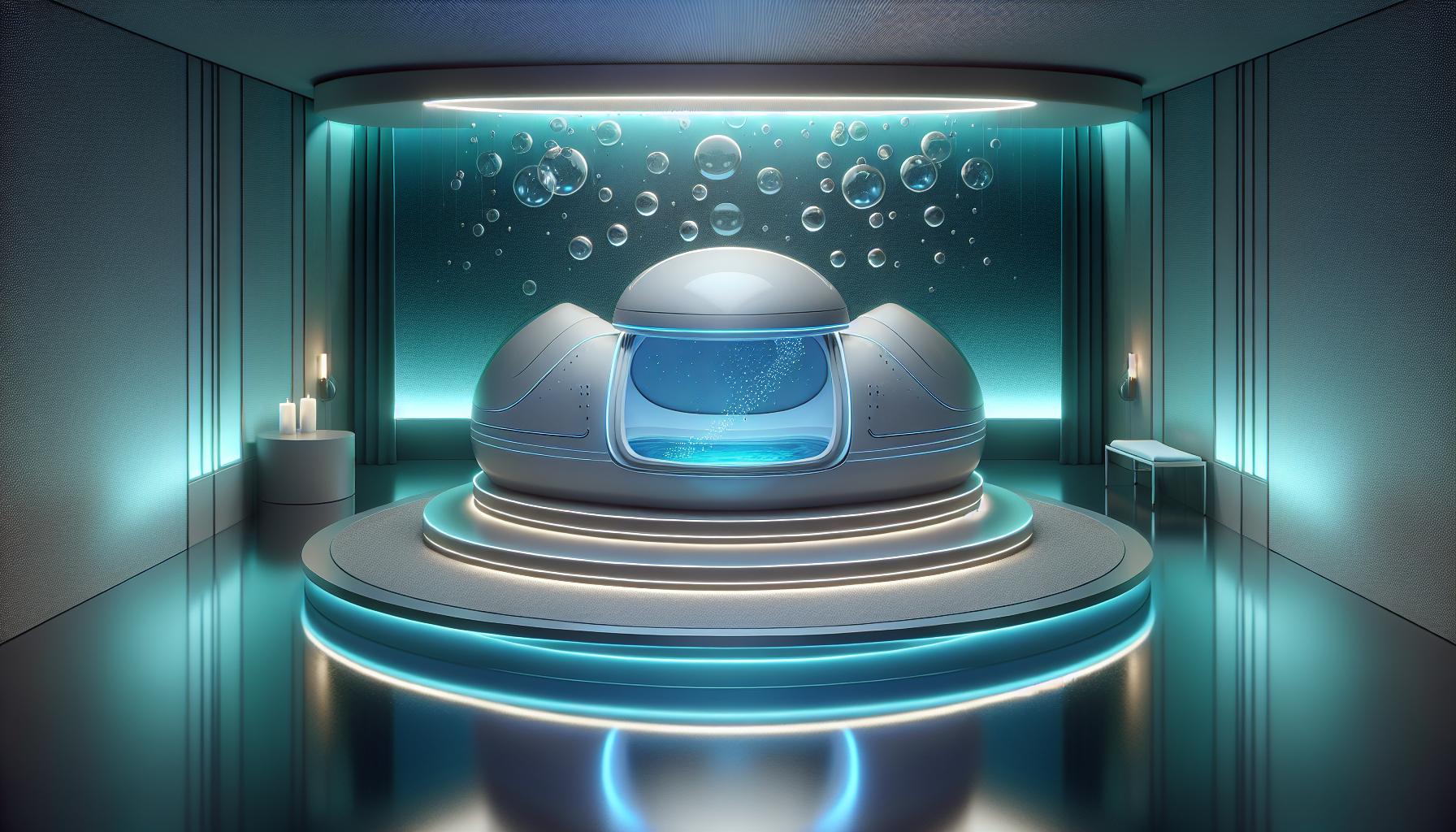
Do Double Isolation Tanks Exist? A Comprehensive Overview
When it comes to the world of float therapy, single isolation tanks have gained significant popularity, but many wonder: do double isolation tanks exist? The answer is yes, and these innovative designs cater to couples looking to share a tranquil experience while enjoying the numerous benefits of flotation therapy. Double isolation tanks offer an intimate space where partners can float side by side, which enhances connection and shared mindfulness during the session. This dual experience adds a layer of serenity, perfect for those seeking a unique bonding activity.
Understanding Double Isolation Tanks
Essentially, double isolation tanks are larger enclosures that allow two individuals to float simultaneously. These tanks are designed to provide an equally immersive sensory deprivation experience for both floaters, featuring adjustable elements such as temperature control and ambient lighting tailored to personal comfort levels. While the idea of floating together can be both exhilarating and soothing, it is crucial to ensure that the setup maintains each individual’s floating experience intact. Utilizing soundproofing materials and independent water filtration systems can enhance the overall effectiveness of the therapy, ensuring that one person’s movements or sounds do not disturb the other.
Considerations for Float Centers
For entrepreneurs interested in introducing double isolation tanks to their float centers, there are a few key points to consider:
- Space Requirements: Double tanks are significantly larger than their single counterparts, requiring adequate floor space to accommodate them without compromising the overall flow and ambiance of your center.
- Investment: The initial costs of procuring double tanks can be higher, so it’s essential to assess the potential demand and how they fit within your broader business model.
- Marketing Strategies: Highlight the unique experiences that double floating offers-promoting it as a unique date night option, or a stress-relief retreat for friends looking to unwind together.
By understanding the mechanics and potential of double isolation tanks, float center owners can tap into a niche market while enhancing the therapeutic value of their services. As float therapy continues to evolve, these tanks represent an exciting trend that supports not only individual wellness but enriches shared experiences as well.
Understanding Float Therapy: Benefits and Mechanics
The practice of float therapy, also known as sensory deprivation, provides an extraordinary opportunity for relaxation and mental clarity. By immersing oneself in a buoyant, silent environment, floaters can disconnect from the outside world and delve into a heightened state of mindfulness. This therapy harnesses the benefits of floating in warm, Epsom salt-infused water, promoting both physical and psychological wellness. For individuals seeking to enhance their overall well-being and couples eager to share an intimate experience, double isolation tanks stand out as a remarkable innovation in this growing field.
Float therapy offers a myriad of benefits, ranging from alleviating stress and anxiety to relieving chronic pain. The weightlessness experienced during a float session reduces the burden on joints and muscles, which can lead to significant physical relief for those dealing with aches or recovery from injury. Furthermore, the calming atmospheric conditions inside the tank, combined with the soothing properties of Epsom salt, can help to lower cortisol levels-the hormone responsible for stress-while simultaneously promoting the release of endorphins, leading to a natural improvement in mood.
For newcomers and seasoned floaters alike, understanding the mechanics behind float therapy can enrich the experience. Each float tank typically maintains a temperature close to the body’s natural temperature, achieving an ideal environment where floaters often lose track of their own physical boundaries. The water is saturated with a high concentration of Epsom salt (magnesium sulfate), which provides buoyancy, allowing floaters to lie back and float effortlessly. The intimate setup of double isolation tanks ensures both participants enjoy a similar floating experience while retaining their individual privacy, ensuring that the floating sensation remains personal even in a shared environment.
For float center entrepreneurs, incorporating double isolation tanks could attract a diverse clientele. Innovative marketing strategies can showcase the unique experiences available, positioning double floats as perfect for couples, friends, or even family bonding experiences. Moreover, offering special packages or themed sessions can stimulate interest and engagement, ensuring that clients see floating not just as a relaxation technique but as a cherished activity to do together.
Ultimately, whether you’re an individual seeking solace or a couple looking to nurture your bond, float therapy promises a unique journey towards wellness, amplified by the innovative design of double isolation tanks. Embracing this practice not only promotes self-care but opens avenues for deeper connections and shared experiences in a serene and tranquil setting.
The Science Behind Float Tanks and Isolation Therapy
The transformative experience of float therapy, particularly in double isolation tanks, is underpinned by a fascinating blend of scientific principles and innovative design. Float tanks create a controlled environment where external stimuli are significantly reduced, allowing users to engage in profound relaxation and introspection. The unique setup of these chambers, featuring warm, buoyant water saturated with Epsom salt, not only aids in physical relief from muscle tension and pain but also plays a vital role in enhancing mental clarity and emotional balance.
One of the key scientific aspects behind float therapy is the concept of sensory deprivation. During a float session, the buoyancy created by the Epsom salt allows individuals to suspend their body effortlessly, thereby alleviating physical stress on joints and muscles. This state of weightlessness leads to a drastic reduction in stress hormones, such as cortisol, which has been shown to adversely affect both mental and physical well-being. As a result, floaters often report experiencing lower levels of anxiety and depression after sessions. Additionally, the consistent temperature of the water, usually set to skin temperature, helps users lose track of their physical boundaries, leading to a deeply immersive meditative experience.
| Benefit | Scientific Basis |
|---|---|
| Stress reduction | Lower cortisol levels and increased endorphin release |
| Improved mental clarity | Enhanced theta brainwave activity during flotation |
| Pain relief | Reduction of muscle tension and joint pressure |
| Enhanced creativity | Fostering of divergent thinking in a relaxed state |
For entrepreneurs considering the incorporation of double isolation tanks in their float centers, understanding these scientific principles is crucial. Creating an informative and engaging experience attracts a clientele interested in both individual therapy and shared experiences. Marketing efforts can emphasize not just the relaxation aspects but also the scientific benefits, appealing to those curious about the mechanics behind float therapy. Highlighting research and testimonials can help demystify the process for first-time floaters and establish credibility within the wellness community.
Furthermore, ensuring that the float environment is conducive to both comfort and safety is essential. From maintaining water quality and optimal salinity levels to providing clear instructions and support for users, attention to detail fosters a positive experience. For first-timers, it’s helpful to offer guidance on preparing for a float session, including relaxation techniques to embrace the experience fully. By intertwining scientific insights with compassionate care, float center owners can cultivate an atmosphere that promotes not only wellness but also community engagement, enhancing the overall appeal of double isolation tanks as a unique therapeutic offering.
Innovative Features in Modern Float Tanks
Float therapy has evolved significantly over the years, embracing innovative features that enhance the sensory experience and address the needs of modern users. One of the most compelling advancements is the introduction of integrated technology within float tanks, which not only enhances relaxation but also promotes a therapeutic environment tailored for individual needs. By offering customizable experiences, entrepreneurs in the float therapy business can attract a wider clientele while providing a unique and enriching atmosphere for their guests.
Customizable Lighting and Soundscapes
Many contemporary float tanks are equipped with adjustable LED lighting systems and sound therapy capabilities. These features allow users to create their desired ambiance-whether it’s complete darkness and silence for deep sensory deprivation or gentle lighting and calming music for a more soothing environment. For first-time floaters, having options to gradually transition into the experience can help alleviate anxiety. Moreover, for entrepreneurs, the ability to highlight these customizable aspects in marketing materials can attract those who are new to float therapy and may prefer incremental exposure to the unique sensations.
Enhanced Hygiene and Maintenance Systems
As health and safety take priority, modern float tanks have incorporated advanced sanitation technologies, such as ozone and UV light purification systems. These ensure that the water remains pristine and free from harmful bacteria without the need for excessive chemical treatments. For float center owners, these enhancements not only improve client safety but also reduce the long-term costs associated with maintenance. Clear communication to clients about the safety measures in place can build trust and reinforce the establishment’s commitment to health.
Integrated Nutritional and Relaxation Enhancements
Some float centers have taken the wellness experience a step further by offering additional therapeutic options, such as aromatherapy diffusers or the inclusion of herbal teas and snacks as part of the float package. These added features allow clients to extend their relaxation beyond the float tank, creating a holistic experience that accommodates their needs and preferences. This approach can significantly boost customer satisfaction and retention, making it easier for float center owners to cultivate a loyal base.
Feedback and Personalization Technology
An emerging trend in float therapy is the implementation of customer feedback systems directly within the tank experience. These systems can monitor a guest’s biometrics, such as heart rate and stress levels, allowing for real-time adjustments to the environment based on their needs. This level of personalization can enhance not only the individual experience but also provides valuable data for business operators to refine their offerings and ensure they meet client expectations.
Ultimately, the introduction of transforms the experience from a mere treatment into a comprehensive wellness journey. Entrepreneurs can leverage these advancements not just to differentiate their float centers but also to create a community focused on mental and emotional well-being. The art of combining technology with holistic healing fulfills the increasing demand for tailored wellness solutions, inviting both newcomers and seasoned floaters to explore this unique therapeutic experience.
Comparing Single vs. Double Isolation Tanks
Floatation therapy has seen a growing interest in varying tank designs to cater to different user preferences and experiences. While single isolation tanks have long been the standard, double isolation tanks are emerging as an innovative solution that enhances the therapeutic benefits of float therapy, particularly for those who wish to share the experience with a partner or friend. Dual tanks not only facilitate bonding through shared relaxation but also create opportunities for conversations and connection in a tranquil setting.
When comparing single and double isolation tanks, several factors come into play. Single isolation tanks are designed for individual use, promoting solitude and deep introspection, making them ideal for users seeking a personal retreat from the stresses of daily life. In contrast, double isolation tanks create a unique dynamic that allows two users to float simultaneously, which can enhance mutual relaxation and support.
Key Differences between Single and Double Isolation Tanks
- Experience:
– Single tanks provide a completely solitary experience, enabling users to engage in a personal journey of self-discovery and meditation. The absolute quiet and sensory deprivation can lead to profound insights and therapeutic breakthroughs.
– Double tanks, while still promoting relaxation, can facilitate conversation and shared vulnerability. This setting can be particularly beneficial for couples or friends exploring relaxation techniques together, giving participants an opportunity to discuss their experiences and feelings in real-time.
- Space and Design:
– Single tanks tend to have a compact and enclosed design, perfect for individual settings in wellness centers. Space considerations are typically simpler, making them easier to integrate into existing float therapy businesses.
– Double tanks, however, require more physical space and thoughtful design considerations to maintain a comfortable and effective sensory deprivation environment. Entrepreneurs looking to invest in double tanks should consider the layout and accessibility to ensure both users feel at ease.
- Market Appeal:
– While individual floaters constitute a significant portion of the client base, double isolation tanks encourage groups or couples to engage in floating together, potentially increasing the customer demographic. This additionally opens pathways for marketing targeting couples’ retreats or wellness weekends.
– Float centers may also create unique marketing campaigns that tout the benefits of mutual relaxation and stress relief, which can stand out in a niche wellness market.
Advantages of Double Isolation Tanks
For entrepreneurs, the investment in double isolation tanks can present distinct advantages. Offering a shared experience may improve client retention and attract new clientele looking for an alternative to traditional date nights or social outings. Additionally, it helps foster community building among floaters, transforming floatation therapy into a shared journey rather than a solitary practice.
In terms of practical implementation, float center owners should ensure that proper safety protocols and hygiene measures are in place for double tanks. Given the close proximity of users, enhancing sanitation protocols becomes critical to maintaining health standards, thus reassuring clients regarding safety and cleanliness.
Ultimately, double isolation tanks can redefine the floatation therapy experience, making it more accessible and appealing for varied clientele. By balancing the deep relaxation offered by traditional floating with the enriched social dynamic of shared sessions, wellness centers can create a refreshing alternative in the ever-evolving landscape of float therapy.
Design Considerations for Double Isolation Tanks
When designing double isolation tanks, the key is to create a harmonious environment that enhances the therapeutic benefits of float therapy while accommodating the unique dynamics of shared experiences. The design should focus on both functionality and comfort, aiming to cultivate an atmosphere that allows users to relax, connect, and rejuvenate. Here are some critical considerations to keep in mind during the design process.
First, the layout and space utilization are paramount. Double tanks typically require more room than single tanks, not only for the tank itself but also for the surrounding area. A well-planned layout should ensure that both users have enough personal space to feel comfortable while floating. Considerations should include soundproofing materials to enhance the sensory deprivation experience. A design that prioritizes tranquility in the surrounding environment can further enhance the float, allowing clients to indulge in deep relaxation.
Another essential aspect to evaluate is tank accessibility. Accessibility for a diverse client base is crucial, as float therapy should be inclusive for individuals of varying physical abilities. Incorporating features such as wider entry points, grab bars, and non-slip surfaces can make entering and exiting the tank easier and safer. Additionally, the design should consider the flow of clients especially during peak hours, ensuring a seamless transition from session to session without causing any disruption to the overall experience.
The material composition of double isolation tanks also plays a significant role in their functionality and longevity. High-quality, non-porous materials are essential to maintain hygiene and prevent contamination. Consider materials that are easy to clean and resist corrosion, as this will directly affect the maintenance of the tanks and the overall client experience. Furthermore, the interior finish should provide a soothing ambiance; muted colors and gentle lighting can enhance the calming effect that float therapy aims to achieve.
Incorporating advanced technology can elevate the float experience significantly. Modern double isolation tanks might include features such as ambient sound options, customizable lighting, or even integrated aromatherapy systems to enhance relaxation. Such innovations not only cater to varying preferences but can also provide entrepreneurs with unique selling points. By investing in technology, float centers can offer a truly immersive experience that draws in both new and returning clients.
Ultimately, creating a successful double isolation tank requires a thoughtful blend of practicality and sensory design. By focusing on creating an inviting and safe environment tailored for dual users, float therapy centers can enhance the therapeutic experience of their clients while also addressing business considerations that promote sustainability and growth.
Safety Protocols for Float Therapy Practices
Ensuring safety in float therapy practices is paramount, especially with the rise of innovative double isolation tanks that allow couples or friends to share a unique wellness experience. The tranquility of floating should never be overshadowed by concerns about safety. By implementing comprehensive safety protocols, float centers can enhance both the client experience and operational efficiency.
A crucial first step is the implementation of cleanliness and hygiene standards. Float tanks are especially susceptible to microbial growth due to their aqueous environments, making regular sanitation practices non-negotiable. Centers should adopt a dual-filtration system that includes both mechanical and chemical sanitization, ensuring water quality remains pristine. Regular testing for pH and salinity levels should be conducted, along with periodic water changes based on usage frequency. Additionally, providing clients with personal hygiene recommendations, such as bathing before a session and avoiding strong fragrances or oils, fosters a shared commitment to maintaining cleanliness.
Equally important is client education and orientation. First-time floaters may harbor various anxieties, and addressing these through effective communication helps to ease their apprehensions. Before their session, clients should receive an orientation that outlines tank features, floating techniques, and what to expect during their experience. Emphasizing the importance of listening to their body and respecting personal limits ensures that even those who are new to float therapy can navigate their experience with confidence. Communication doesn’t end with orientation; float centers should offer support avenues, such as having staff present before and after sessions to address any concerns, particularly for first-time users.
In designing double isolation tanks, practitioners need to ensure physical safety is at the forefront. This involves incorporating non-slip surfaces around the tanks and having clear exit pathways. Innovative solutions, such as adjustable tank heights or side entries, can aid accessibility for individuals with mobility challenges. Emergency protocols should also be established: equip tanks with easily accessible emergency buttons and conduct regular safety drills with staff to ensure preparedness.
Central to every float therapy center is a strong commitment to mental and emotional safety. Clients should feel welcomed into a supportive environment where their comfort is prioritized. For the double isolation experience, consider the dynamics of shared floating-some users may prefer silence, while others may enjoy soft background music. Providing customizable settings is key. Additionally, ensuring that both users are comfortable with the experience can be facilitated by pre-session discussions around any fears or concerns, fostering an atmosphere of trust.
By prioritizing comprehensive safety protocols, float therapy centers can create a nurturing space that allows clients to fully engage in the therapeutic benefits of float therapy. This approach not only underscores the professionalism of the business but also promotes a positive reputation that encourages client retention and word-of-mouth referrals. Ultimately, a focus on safety enhances the overall floating experience, transforming initial curiosity into lasting wellness journeys.
Creating a Soothing Float Experience: Tips and Tricks
Creating a deeply soothing float experience not only enhances relaxation but also maximizes the therapeutic benefits of float therapy, especially in the context of innovative double isolation tanks. The environment and preparations surrounding a float session can significantly influence a client’s comfort and overall experience. By focusing on a few key elements-from room ambiance to personal preparation-float centers can create inviting spaces that promote wellness and tranquility.
One of the simplest yet most effective ways to foster relaxation is through the atmosphere of the float room. Consider the following:
- Sensory-Friendly Environment: Dim lighting or soft hues can calm the senses, while sound-proofing the room prevents outside noises from breaking the peace. Gentle ambient soundscapes, like soft rain or ocean waves, can also enhance the overall experience for those who prefer a little auditory comfort.
- Aromatherapy: Utilizing essential oils can enhance relaxation and promote a calming effect. However, be cautious about strong scents that may disrupt the floating experience. Providing scent options such as lavender or eucalyptus allows clients to personalize their experience.
- Temperature Regulation: Ensuring a consistently warm environment both inside the tank and the room is vital. Keep the tank water at skin temperature (~94°F or 34°C) to facilitate a sense of weightlessness and minimize the feeling of the water against the skin.
Preparation before entering the float tank is also paramount, especially for first-time floaters who might feel apprehensive. Here are some practical tips businesses can implement and share with clients:
Personal Preparation for a Stress-Free Float
- Pre-Float Hygiene: Encourage clients to shower before their float session to maintain tank hygiene and ensure they enter the tank feeling fresh. Emphasize the importance of rinsing off any oils, lotions, or fragrances that could affect water quality.
- Comfortable Attire: Suggest wearing a bathing suit or float-appropriate clothing that clients feel comfortable in. Some may prefer to float without clothing; ensure they understand the privacy features of the double isolation tanks if they choose this option.
- Mindful Preparation: Encourage clients to take a moment to set intentions for their float. This could involve light meditation or breathing exercises to promote relaxation and openness to the experience.
For float center owners, cultivating a soothing experience extends to the operational elements of the business itself. Consider offering resources or workshops on best practices for managing float sessions, particularly for double isolation tanks that cater to pairs or groups. Train staff to support clients before and after their sessions, addressing any concerns and facilitating discussions that promote emotional safety. This commitment to service not only enhances the customer experience but also builds a reliable reputation that can lead to increased client loyalty and new referrals.
Ultimately, fostering a soothing float experience is about creating an environment where clients can let go of stress and emerge rejuvenated. Each element-from the room setup to personal preparation-plays a critical role in maximizing the benefits of float therapy, ensuring clients leave with a memorable experience that encourages them to return.
Float Therapy for Mental Wellness and Stress Relief
The transformative effects of float therapy extend far beyond mere relaxation, making it an increasingly popular practice for enhancing mental wellness and alleviating stress. This innovative therapy can serve as a sanctuary for individuals grappling with the pressures of modern life, including anxiety, depression, and overwhelming stress. Float tanks, especially double isolation tanks, provide a unique environment that not only promotes profound relaxation but also encourages introspection, which can significantly benefit mental health.
Experiencing stress on a daily basis can have debilitating effects on overall well-being, leading many to seek effective solutions. Float therapy immerses individuals in a sensory-reduced environment, where the floating sensation fosters deep states of relaxation. Clients may find that the buoyancy allows the mind to quiet down, free from the distractions of external stimuli. This heightened state of calm opens pathways for self-reflection and mindfulness, essential components of mental wellness. Integrative practices such as deep breathing or guided visualization during the float can further deepen these benefits, providing a powerful platform for personal growth and emotional release.
Enhanced Mental Clarity and Emotional Resilience
The act of floating in a controlled environment supports cognitive function and emotional resilience. Studies suggest that engaging regularly in float therapy can lead to decreases in stress hormones and anxiety-related symptoms, promoting a sense of clarity and focus. For entrepreneurs or professionals looking to manage work-related stress or creativity blocks, float therapy can serve as a revitalizing break that not only recharges the mind but also enhances problem-solving skills and productivity upon return to daily tasks.
In a double isolation tank, couples or friends can share this intimate and introspective space together, potentially deepening their connection while they both benefit from the therapeutic properties of floatation. This shared experience can facilitate meaningful conversations after their session, helping to create emotional bonds and a shared commitment to wellness. For businesses offering float therapy, specifically double isolation tanks, forming partnerships with mental health professionals can further promote their use as alternative therapeutic interventions, providing clients with additional resources and support.
Practical Steps to Enhance Float Therapy Experience
For those new to float therapy, or considering its potential for mental wellness, here are practical steps to maximize the experience:
- Set Intentions: Before entering the float tank, take a moment to articulate what you hope to achieve from the session, whether it’s relaxation, stress relief, or clarity.
- Establish a Routine: Consistency can amplify benefits. Consider incorporating float therapy into your wellness routine, making it a regular practice for stress management and self-care.
- Integrate Post-Float Practices: After floating, engage in activities like journaling or meditative breathing to process feelings experienced during the session and reinforce the insights gained.
By understanding and harnessing the mental wellness benefits of float therapy, individuals and float therapy centers alike can significantly contribute to a culture of health, resilience, and emotional well-being.
The Business of Float Therapy: Trends and Innovations
The rise of float therapy is transforming the wellness industry, with a growing demand for innovative services that cater to mental and physical health. As more people discover the benefits of floatation therapy, entrepreneurs are capitalizing on this trend by opening float centers that not only embrace the traditional single tank experience but also explore advancements, such as double isolation tanks. These larger tanks allow pairs to float together, making the experience more accessible and appealing for partnerships, whether romantic or platonic, and addressing the growing market for shared wellness activities.
Innovations in float therapy extend beyond technological advancements in tank design; they encompass enhancements in customer experience and therapeutic practices. For instance, many centers are incorporating modern amenities such as ambient lighting, sound therapy, and aromatherapy to create a serene environment that fosters relaxation even before the float session begins. Additionally, introducing flexible booking options, including group services and package deals, can cater to wider audiences and encourage regular visits. By actively integrating customer feedback into service offerings, float centers can refine their approach and customized experiences, meeting the changing needs of their clientele.
Emerging Trends in Float Therapy
With the increasing popularity of float therapy, several trends are shaping the industry and creating lucrative opportunities for new businesses:
- Focus on Mental Wellness: Many float centers are aligning with the mental health industry, offering specialized programs and partnership opportunities with therapists or psychologists who recognize the therapeutic benefits of floating as complementary to traditional therapies.
- Technology Integration: Advanced float tanks equipped with smart technology that monitors water quality, temperature, and user preferences enhance the float experience and improve operational efficiencies.
- Community Engagement: Organizing workshops, wellness events, or guided meditation sessions can help foster a sense of community and loyalty among patrons, promoting repeat business while raising awareness about the therapeutic benefits of floatation therapy.
By strategically positioning float therapy as an essential aspect of wellness routines and promoting the unique aspects of double isolation tanks, entrepreneurs can not only attract first-time users but also build a dedicated clientele seeking holistic well-being. Prioritizing safety and hygiene is crucial, especially in a post-pandemic world. Float centers must implement stringent cleaning processes and health guidelines to ensure the safety of their clients while establishing trust and credibility within the community. Adopting a comprehensive approach that balances innovation with wellness-focused practices can pave the way for sustained success in the float therapy business.
Setting Up Your Own Float Center: Essentials
Setting up a float center can be an immensely rewarding venture, especially in today’s wellness-focused society, where more individuals are recognizing the transformative effects of float therapy. As a budding entrepreneur, understanding the core essentials of establishing your own float center, particularly one that offers innovative features like double isolation tanks, is vital. Not only do these tanks create opportunities for shared experiences, but they also enhance the therapeutic benefits of floatation therapy, making it more appealing to couples or friends seeking relaxation together.
To embark on this journey, consider the following foundational elements essential for your float center:
Facility Design and Layout
The layout of your float center should prioritize comfort and serenity. Begin by identifying a suitable location with ample space for multiple float tanks, including the double isolation tanks that set your business apart. Ensure that the design promotes a calming atmosphere with elements such as soft lighting, soothing colors, and soundproofing to minimize external disturbances. A thoughtful flow from the reception area, into the float rooms, and back enhances the overall client experience.
Choosing the Right Equipment
Investing in high-quality float tanks is crucial. Seek out models that offer both single and double options, ensuring they are made with safe, durable materials. Look for tanks equipped with advanced sanitation systems, such as ozone or UV filtration, to maintain optimal hygiene, which is particularly critical in the current health climate. Additionally, consider the integration of amenities like ambient lighting controls and sound systems to customize the float experience for your guests, catering to their unique preferences.
Staff Training and Protocols
Well-trained staff members are key to providing an exceptional float therapy experience. Develop a comprehensive training program that encompasses the operational aspects of the tanks, the science behind float therapy, and customer service excellence. Establish clear safety and sanitation protocols to maintain a hygienic environment and assure clients of their wellbeing throughout their visit. Regularly updating staff knowledge and skills will ensure they are informed and confident in providing the best service possible.
Marketing and Community Building
Once your float center is established, effective marketing strategies are essential for attracting clients. Highlight the unique aspects of double isolation tanks in your promotional materials and engage in community outreach by hosting workshops or wellness events. Collaborate with local businesses, health practitioners, and wellness influencers to expand your network and enhance your center’s visibility. Building a community around your float center fosters loyalty and encourages repeat visits, further establishing your center as a cornerstone of local wellness.
Embarking on the journey of opening a float center demands a thoughtful approach that balances quality service, effective marketing, and operational excellence. By focusing on these essentials, you’ll be well-equipped to create a nurturing environment for clients while promoting the benefits of float therapy in your community.
Customer Experiences: Reviews and Success Stories
The transformative impact of float therapy is often highlighted by those who have experienced its profound benefits, particularly in double isolation tanks designed for shared experiences. Many clients share that stepping into these unique float environments replenished their sense of calm, connection, and overall mental wellness. For first-time users, the concept may seem unconventional, yet testimonials reveal a common thread: the dual isolation experience fosters an intimate space for relaxation, where individuals can disconnect from the outside world while simultaneously feeling secure in the presence of a trusted companion.
Unique Perspectives
Those who have floated together within a double isolation tank often describe the remarkable synergy of shared relaxation. For couples or friends, the experience not only encourages personal introspection but also enhances emotional connectivity. One couple reported that floating together allowed them to engage in deep conversation post-session, highlighting how the therapeutic environment encouraged vulnerability and openness. Another testimonial from a group of friends pointed out that witnessing each other’s blissful reactions during the float ignited shared laughter and camaraderie once they emerged, further solidifying their bonds.
Practical Advice for First-Time Users
For those contemplating their first float in a double isolation tank, here are a few practical tips to enhance your experience:
- Communicate: Discuss your expectations and any concerns with your floating partner before entering the tank. This sets a shared understanding and further relaxes both participants.
- Embrace the silence: Allow yourself to let go of the need to talk during the float. The tranquility can deepen personal reflection and relaxation.
- Focus on breathing: As you float, concentrate on slow, deep breaths to cultivate a sense of peace and mindfulness, which can magnify the therapeutic benefits.
Customer Experiences in Action
A compelling story involves a health-conscious entrepreneur who decided to incorporate float therapy into her wellness regimen. After several sessions in a double isolation tank, she reported a dramatic decrease in her anxiety levels, ultimately leading her to promote float therapy in her local community. She now shares her journey through workshops, emphasizing how these experiences can significantly contribute to mental wellness and stress relief. In turn, her story inspires others to seek similar peace through float therapy, creating a ripple effect of wellness awareness.
The potency of these shared experiences within double isolation tanks not only reflects personal health journeys but also highlights the growing importance of community and connection in wellness practices. By leveraging stories from real users, float centers can effectively market their services, demonstrating the dual benefits of relaxation and social bonding, which resonate deeply with potential clients interested in enhancing their wellness through novel therapeutic experiences.
Frequently Asked Questions
Q: What are the key benefits of using a double isolation tank in float therapy?
A: Double isolation tanks enhance the float therapy experience by allowing two individuals to float simultaneously, promoting shared relaxation and deeper connection. They offer benefits such as improved stress relief, enhanced mental clarity, and the unique opportunity for couples or friends to enjoy therapeutic benefits together. For more on float therapy benefits, refer to our section on the advantages of float therapy.
Q: How do double isolation tanks differ from traditional float tanks?
A: Double isolation tanks differ from traditional float tanks primarily in size and design, accommodating two users at once while maintaining isolation. They often feature advanced soundproofing and lighting controls, creating a shared yet private environment. Explore our comparison of single vs. double isolation tanks for further insights.
Q: Are double isolation tanks suitable for therapeutic use in wellness centers?
A: Yes, double isolation tanks are suitable for therapeutic use in wellness centers, providing versatile options for couples therapy or group relaxation sessions. They can enhance business offerings and cater to diverse clientele looking for shared wellness experiences. For setting up your own float center, check out our essentials guide.
Q: Can double isolation tanks enhance the overall float therapy experience?
A: Absolutely, double isolation tanks can enhance the experience by fostering social connections and shared relaxation, making float therapy more appealing to those hesitant to float alone. This innovative approach can also attract a broader range of customers. Learn more about creating a soothing float experience in our tips section.
Q: What innovations are being integrated into double isolation tanks?
A: Innovations in double isolation tanks include advanced audio systems for ambient soundscapes, customizable lighting options for mood enhancement, and enhanced hygiene features like UV light sanitization. These improvements are designed to elevate the floating experience while maintaining safety and comfort. For further exploration of modern float tank features, see our dedicated section.
Q: How should a double isolation tank be maintained for optimal usage?
A: Regular maintenance includes filtration system checks, water salinity balancings, and routine cleaning of the tank surfaces. Ensuring a sanitary environment not only promotes user safety but also improves the overall float experience. For specific maintenance practices, refer to our article on safety protocols in float therapy.
Q: Is there a market demand for double isolation tanks in float therapy businesses?
A: Yes, there is a growing market demand for double isolation tanks, as wellness trends increasingly emphasize shared experiences. Entrepreneurs can tap into this trend by offering unique float options that cater to couples and groups, thereby differentiating their services. Read our insights on current trends in the float therapy business for further information.
Q: What challenges might arise with double isolation tanks in float therapy?
A: Potential challenges include higher initial investment costs, space requirements, and the need for effective marketing to attract users. Addressing these challenges strategically can set wellness centers apart in a competitive market. For more insights on setting up a successful float center, see our business essentials guide.
For further information on float therapy innovations and to enhance your wellness journey, consider exploring additional resources in our article.
The Conclusion
As we’ve explored, double isolation tanks represent an exciting evolution in float therapy, offering even deeper immersion and relaxation. If you’ve been considering enhancing your wellness routine or exploring a unique business opportunity, now is the time to dive in. Don’t miss out on the chance to transform your self-care or expand your float therapy practice with this innovative technology.
For more insights, check out our articles on “Benefits of Float Therapy for Anxiety” and “Starting Your Own Float Center: A Complete Guide.” These resources can help you understand the broader implications of float therapy while providing practical advice. Plus, consider joining our newsletter for the latest updates and exclusive insights that can elevate your float therapy knowledge.
Ready to take the next step? Reach out for a consultation to discuss how double isolation tanks can fit into your wellness journey or business model. Your path to enhanced relaxation and healing starts now-don’t hesitate to explore these opportunities further!


