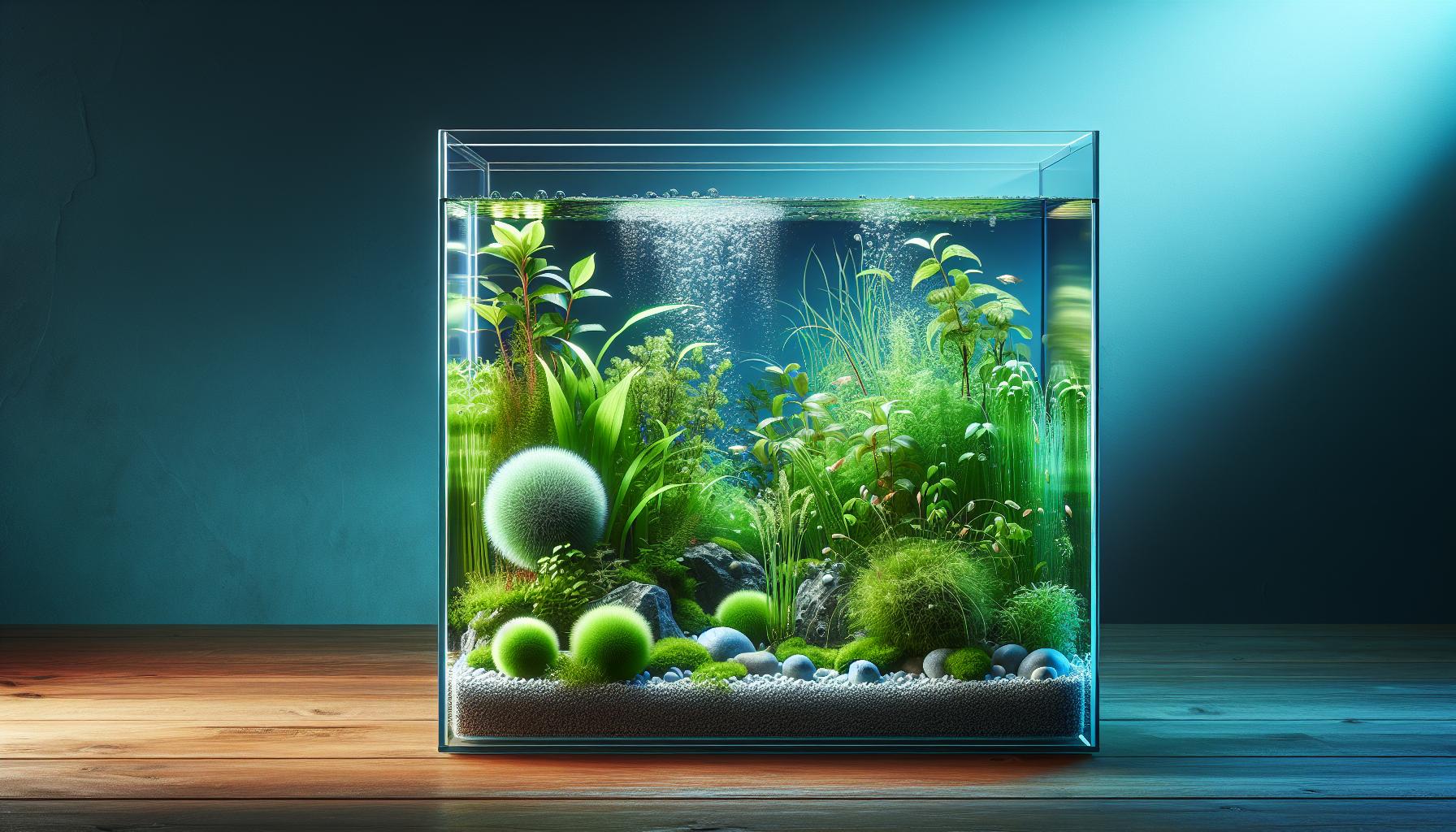

Did you know that aquatic plants can enhance both the beauty and health of your home or office environment? As more people embrace the calming influence of nature, the idea of creating a lush aquatic garden has become increasingly appealing. But can plants actually thrive just by floating in a tank?
Understanding the basics of aquatic gardening not only nurtures your creativity but also brings numerous wellness benefits-from cleaner air to improved mental well-being. Whether you’re a newcomer eager to start your green journey or an entrepreneur looking to tap into the burgeoning market of eco-friendly products, knowing how to successfully cultivate floating plants is essential.
Join us as we delve into the fascinating world of aquatic gardening, exploring everything from the types of plants best suited for your tank to practical tips for maintaining an inviting aquatic haven. Your journey to creating a serene, vibrant space begins here-let’s discover how to make your aquatic garden flourish!
Choosing the Right Plants for Your Aquatic Garden
When it comes to cultivating an aquatic garden, the plants you choose can make all the difference not only in aesthetics but also in the health of the entire ecosystem. Floating plants bring a unique charm to your tank, creating shaded areas for fish while also improving water quality through natural filtration. However, selecting the right species requires an understanding of their unique characteristics and compatibility with your tank conditions.
| Plant Type | Light Requirements | Nutrient Needs | Growth Rate |
|---|---|---|---|
| Water Hyacinth | High | Moderate | Fast |
| Duckweed | Moderate | Low | Very Fast |
| Salvinia | Low to Moderate | Low | Moderate |
| Pistia (Water Lettuce) | High | Moderate | Slow to Moderate |
When choosing plants, consider their light and nutrient needs, as these factors significantly influence their growth and sustainability. For instance, Water Hyacinth thrives in bright lighting and rapidly proliferates in nutrient-rich waters, making it perfect for busy tanks. On the other hand, Duckweed is an excellent option for beginners due to its adaptability and minimal nutrient requirements, rapidly covering the water’s surface if conditions are right.
Beyond individual plant characteristics, compatibility with your tank’s existing flora and fauna is essential. Ensure that the selected plants can coexist peacefully-some floating plants may overshadow or outcompete submerged varieties for nutrients and light. Additionally, engage in research on the natural habitat of your chosen species, as understanding their origins can guide you in mimicking the ideal home environment in your tank.
As you embark on your aquatic gardening journey, embrace the rich diversity of floating plants available. They not only enhance the beauty of your space but also contribute significantly to the health of your aquatic ecosystem, creating a balanced and vibrant environment for both plants and aquatic life.
The Essential Components of a Floating Plant Tank

Creating a thriving floating plant tank requires a thoughtful approach to its components, which play a vital role in fostering an environment where aquatic plants can flourish. Each element, from the substrate to the water chemistry, contributes to the overall health and aesthetic of your aquatic garden. Understanding these essential components can not only enhance the beauty of your setup but also support a balanced ecosystem that benefits fish and plants alike.
One of the first considerations for a floating plant tank is the water source. Utilizing dechlorinated water is crucial, as chlorine can be harmful to both plants and aquatic life. It’s also beneficial to monitor water parameters such as pH, hardness, and temperature. Most floating plants thrive in slightly acidic to neutral conditions (pH 6.0-7.5), with temperatures ranging between 68-82°F (20-28°C). Regular testing with a reliable aquarium kit can help maintain optimal conditions.
Another key consideration is the lighting setup. Floating plants generally require significantly bright light to support their growth, depending on the species selected. For those with high light needs, such as Water Hyacinth, using full-spectrum LED lights can provide the necessary intensity while being energy efficient. Aim for 10-12 hours of light per day to simulate natural conditions, which can also deter unwanted algae growth by ensuring that floating plants achieve their growth potential.
Nutrient management is equally important, as plants absorb nutrients from the water. Incorporating a quality fertilizer designed for aquatic plants can be beneficial, particularly during the growing season. However, it’s important to avoid over-fertilization, which can lead to algal blooms and deteriorate water quality. Instead, consider employing a balanced approach by introducing slow-release fertilizers or nutrient-rich substrates for established rooted plants that can support the floaters above.
Lastly, creating a natural filtration system can enhance your tank. Floating plants are excellent at absorbing excess nutrients, but coupling them with a reliable filtration system ensures that both plants and fish have a clean and oxygenated environment. Opt for a filter that maintains a gentle current to avoid disturbing floating plants while still providing the necessary aeration. Incorporating aquatic fauna, such as snails or shrimp, can also help maintain the health of your tank by consuming detritus and helping to control algae.
In summary, constructing an effective floating plant tank revolves around a solid understanding of its various components, from water quality to nutrient management and filtration. These foundational elements work together to bolster the overall health of your aquatic plant ecosystem, supporting both beauty and biodiversity in your underwater world. By embracing these principles, you can create a stunning environment that is not only visually appealing but also a haven for aquatic life.
Creating the Perfect Water Environment for Growth

Creating an optimal water environment for floating plants is crucial for their success and longevity. Healthy aquatic plants not only enhance the aesthetics of your tank but also contribute to a balanced ecosystem that supports fish and other aquatic life. Understanding the specific water conditions that promote growth can set your floating garden on the path to thriving, ensuring it’s both beautiful and functional.
One foundational aspect to consider is the water chemistry. Floating plants generally prefer slightly acidic to neutral pH levels, ranging from 6.0 to 7.5. If your water falls outside this range, it can be adjusted using pH stabilizers that are commercially available. Regular testing of your water parameters is essential, so invest in a reliable aquarium kit to keep track of pH, hardness, ammonia, nitrites, and nitrates. Ideal hardness levels (between 3-10 dGH) ensure that essential minerals are available without causing toxic build-ups that might impact plant health.
Another significant factor is temperature control. Most floating plants thrive in a comfortable range of 68-82°F (20-28°C). Maintaining proper temperatures not only encourages plant growth but also helps create a stress-free environment for fish. If your home tends to fluctuate in temperature, consider using aquarium heaters or chillers to stabilize conditions based on the specific requirements of your chosen plant species.
Nutrient enrichment is another cornerstone of creating a healthy water environment. Floating plants absorb nutrients directly from the water, so it’s essential to ensure that nutrient levels are adequately managed. A careful balance of nitrogen, phosphorus, and potassium is vital. You can introduce liquid fertilizers formulated for aquatic plants, starting at a lower recommended dosage to gauge plant response. Observing the plant growth will guide future nutrient dosages. However, be cautious of over-fertilization, as this can lead to algae outbreaks, which compete for resources and can deteriorate water quality.
Finally, consider the filtration and aeration aspects of your tank. A gentle filtration system maintains clear water while providing essential aeration. Avoid strong currents that can dislodge floating plants; instead, look for filters designed to create a soft flow. This will not only keep your water clean but will also facilitate the growth of beneficial bacteria that aids nutrient cycling. Incorporating aquarium fauna like shrimp or snails can further help maintain this balance by consuming uneaten food and debris, thus contributing to a healthier tank overall.
Creating the right water environment for floating plants involves a harmonious blend of chemistry, temperature, nutrients, and mechanical support. By monitoring these factors diligently, you can create a vibrant ecosystem that thrives on mutual support, enhancing the beauty and functionality of your aquatic garden.
Understanding Nutrient Needs for Aquatic Plants
Understanding the nutrient requirements of aquatic plants is crucial for anyone looking to create a flourishing floating garden. Contrary to what some may believe, simply providing water is not enough; plants rely on a specific balance of nutrients to thrive. Floating plants, like water lilies and duckweed, absorb their nutrients directly from the water through their leaves and roots, making it essential to maintain adequate levels of key elements like nitrogen, phosphorus, and potassium.
The most significant nutrients your aquatic plants need can be grouped into two categories: macronutrients and micronutrients.
Macronutrients
- Nitrogen (N): Vital for leaf growth and overall vitality. Deficiency can lead to yellowing leaves, known as chlorosis.
- Phosphorus (P): Crucial for root development and energy transfer within the plant. Low phosphorus can stunt growth.
- Potassium (K): Supports overall plant health and helps in water regulation. Insufficient potassium can make plants more susceptible to pests and diseases.
Micronutrients
In addition to the macronutrients, trace elements such as iron, magnesium, calcium, and manganese play important roles in plant health, albeit in smaller amounts. These micronutrients contribute to photosynthesis, enzyme function, and overall metabolic processes.
It’s important to initiate nutrient supply through liquid fertilizers specifically designed for aquatic plants. Starting with a lower dosage and gradually increasing it based on your plants’ response is a prudent strategy. A good rule of thumb is to check for signs of nutrient deficiency-like poor growth or discoloration-as well as excess nutrients, which can lead to algae blooms that compete for resources.
How to Measure and Adjust Nutrient Levels
Maintaining the appropriate nutrient balance in your tank can seem overwhelming, but with regular testing, it’s manageable. Use an aquatic plant test kit or a comprehensive aquarium test kit to regularly check nutrient levels in your water. Should you find nutrient deficiencies, you can address them by adding fertilizers that contain the needed elements. Alternatively, for an abundance of nutrients, you might need to implement a control measure, like reducing fertilizer usage or introducing more plant life to help absorb excess nutrients.
By understanding and managing the nutrient dynamics in your floating garden, you’ll pave the way for a lush aquatic environment that not only looks beautiful but also significantly contributes to the health of your aquatic ecosystem. Remember, creating a successful floating plant tank is much like nurturing any garden-observation, adjustment, and care are the keys to vibrant growth and sustainability.
Light Requirements: How Much Do Aquatic Plants Need?
Getting the light conditions just right is essential for the success of any aquatic plant garden. In fact, light is one of the most critical factors that influence the growth and health of your floating plants. Without adequate light, even the best nutrients will not lead to thriving greenery. When it comes to aquatic plants, they need a balance of light intensity, quality, and duration to flourish.
Different species of aquatic plants have varying light requirements. Some, like duckweed and water hyacinth, prefer low to moderate light levels and can even thrive in shaded conditions. Conversely, other varieties such as water lilies and tropical floating plants often require bright, direct sunlight for optimal growth. Understanding these needs will help you choose the right plants for your floating garden and create the most effective light setup.
To determine whether your plants are receiving sufficient light, observe their growth patterns. Healthy aquatic plants usually exhibit vibrant colors and sturdy leaves, while plants deprived of light may display elongated or pale foliage. If you notice stunted growth or a significant drop in leaf production, it might be time to reassess your lighting strategy.
### Types of Lighting
When selecting a light source for your tank, consider the following options:
- Natural sunlight: Position your tank in a spot where it can receive ample natural light, such as near a window. However, be mindful of temperature fluctuations and algae growth, which can sometimes result from too much sun.
- LED grow lights: These are highly efficient and provide a spectrum that aquatic plants need for photosynthesis. They come in various intensities and can be adjusted to suit different plant requirements.
- Fluorescent lights: Commonly used in aquarium setups, these lights offer a broad spectrum and are energy-efficient. It’s important to choose a daylight-spectrum bulb to ensure your plants receive the necessary wavelengths for growth.
### Duration of Light Exposure
Most aquatic plants thrive with about 10 to 14 hours of light exposure per day. To maintain this cycle, consider utilizing timers for your lights to automate the process. This consistency helps plants develop a healthy growth rhythm while minimizing the risk of overstimulation, which can lead to algae blooms.
### Practical Tips for First-Time Users
If you’re just starting, aim to provide a moderate lighting setup. Begin with around 8 to 10 hours of light daily and gradually increase it based on your plants’ responses. Regularly monitor your plants for any signs of stress or discomfort, and be prepared to adjust your lighting intensity or duration accordingly. Keeping a record of your observations will help you refine your setup over time, ensuring that your floating garden remains a vibrant and flourishing ecosystem.
Ensuring your aquatic plants receive appropriate lighting is foundational not only for aesthetic appeal but also for the overall health of your water garden. With a little observation and adjustment, you can create a thriving environment that supports the dynamic beauty of your floating plants.
Filtering and Aeration for Optimal Plant Health
To create a thriving aquatic garden, the quality of water and its movement is just as crucial as light and nutrients. Proper filtration and aeration play vital roles in maintaining an optimal underwater environment for your floating plants, ensuring they thrive and contribute to a balanced ecosystem. Without effective water management, your plants may struggle to survive, exhibiting stunted growth or even succumbing to disease.
Filtration systems come in various forms, including mechanical, biological, and chemical options. Mechanical filtration removes large particles and debris from the water, helping to keep it clear and clean. Biological filtration is essential for breaking down harmful substances, such as ammonia, through beneficial bacteria that convert these toxins into less harmful nitrates. For those interested in long-term sustainability, combining these filtering types fosters a healthier living environment for floating plants.
Choosing the Right Filtration System
When selecting a filtration system, consider the size of your tank and the specific needs of your plants:
- External canister filters: Ideal for larger tanks, these filters provide high-quality mechanical and biological filtration, ensuring that water remains clean and nutrient-rich.
- Hang-on-back filters: A practical option for beginners, these filters are easy to install and maintain while providing adequate filtration for smaller tanks.
- Sponge filters: Perfect for delicate aquatic environments, sponge filters can enhance aeration while providing gentle mechanical filtration.
Aeration is another critical factor for promoting optimal plant health. Oxygen levels in the water must remain high, not only for the plants but also for any fish or microorganisms present in your garden. Proper aeration can be achieved through various methods, including air pumps and stone diffusers, which increase water circulation and ensure a constant supply of oxygen.
The Benefits of Aeration
Aeration has several benefits:
- Improves water quality: Increased oxygen levels can reduce the buildup of harmful toxins, promoting a healthier environment.
- Encourages nutrient availability: Well-aerated water helps in the efficient absorption of nutrients by your floating plants, ensuring they receive everything they need to flourish.
- Reduces stagnation: Regular water movement prevents algae growth and stagnation, creating an aesthetically pleasing tank.
To optimize both filtration and aeration in your aquatic garden, aim to establish a balance that is tailored to your specific plant selection and their needs. Regularly monitor the water conditions, including pH levels and dissolved oxygen, to ensure your system is functioning effectively. First-time users may find it helpful to test these parameters frequently in the beginning, gradually gaining confidence as they learn how their plants respond to the care provided.
By implementing thoughtful filtration and aeration techniques, you’ll cultivate a thriving aquatic garden that not only showcases beautiful floating plants but also fosters a sense of wellness and tranquility within your space. Embrace the journey, and don’t hesitate to adjust your methods until you find what works best for you and your serene underwater paradise.
Common Challenges in Aquatic Gardening and Solutions
Cultivating a floating aquatic garden may seem deceptively simple, yet it often comes with its fair share of challenges. Understanding these common issues and their solutions is crucial for fostering a serene and lush environment. From water quality fluctuations to unwanted algae growth, addressing these obstacles not only sustains your plants but also enhances the overall wellness benefits of your aquatic space.
One prevalent challenge in aquatic gardening is the balancing act of water parameters. Fluctuations in pH, hardness, and temperature can adversely affect plant health. Test kits are essential tools for monitoring these parameters regularly. Aim for stable readings: most floating plants prefer a pH around 6.5 to 7.5 and water temperatures between 20-28°C (68-82°F). If you encounter an imbalance, consider adding stabilizers such as peat moss to lower pH or using commercially available mineral supplements to maintain hardness. Regular water changes and maintaining a clean filtration system can also help keep these parameters in check.
Algae overgrowth is another typical issue that can mar the beauty of your aquatic garden. While some algae are harmless, excessive growth can block light and deplete nutrients necessary for your plants. Combat algae through a combination of strategies:
- Control Light Exposure: Limit direct sunlight to a few hours daily or use a timer for artificial lights, ensuring your plants receive optimal light without encouraging algae proliferation.
- Add Competition: Introduce fast-growing floating plants, such as duckweed or water lettuce, which can outcompete algae for nutrients.
- Maintain Water Movement: Installing a gentle flow using aeration or circulation pumps can prevent stagnant areas where algae thrive.
Pests and diseases can also threaten your aquatic garden’s harmony. Common nuisances like aphids, snails, or fungal infections may occur in both indoor and outdoor environments. Prevention is key: inspect new plants before introducing them to your tank, and consider using natural remedies like neem oil or insecticidal soap for organic pest management. In the case of diseases, promptly remove affected plants to prevent the issue from spreading, and ensure proper water quality to support robust plant health.
Lastly, keep an eye on nutrient deficiencies, which can manifest in the form of yellowing leaves or stunted growth. Provide a balanced fertilizer specifically formulated for aquatic plants, applying it sparingly to prevent overdosing. Create a weekly or bi-weekly routine to check on plant health and replenish nutrients if necessary, especially during growth spurts.
By being proactive and responsive to these common challenges, you can transform any floating plant tank into a thriving ecosystem. Embrace the potential for growth and relaxation that an aquatic garden provides, knowing that with patience and care, you will create not just an aesthetic masterpiece but also a nurturing environment that promotes wellness for yourself and your aquatic flora.
Maintenance Tips for Thriving Floating Plants
Cultivating a vibrant aquatic garden is not only an art form but a gateway to serenity and wellness in your living space. Floating plants can elevate aesthetic appeal while providing a myriad of ecological benefits, such as improving water quality and offering habitats for aquatic life. To ensure these plants thrive, regular maintenance is essential, and understanding how to cater to their needs can make all the difference.
One vital aspect of plant care is monitoring their growth environment. Regularly check water parameters, including pH, temperature, and nutrient levels. Floating plants generally enjoy a slightly acidic to neutral pH (6.5 – 7.5) and temperatures between 20-28°C (68-82°F). If you notice any fluctuations, adjusting conditions promptly is crucial. Employ water test kits to track these parameters and consider conducting partial water changes weekly to refresh nutrients and keep undesirable substances at bay.
Another key consideration involves providing adequate light. Floating plants flourish best under bright, indirect light for 12-14 hours daily. Utilize LED or fluorescent fixtures with a color temperature of around 6000-7000 Kelvin to replicate natural sunlight. If you’re using natural light, be cautious of direct sun exposure, as it can create unwanted algae growth. Investing in a timer for your lighting system ensures consistency without the risk of over-exposure.
Feeding your aquatic plants is equally important for robust growth. While floating plants can absorb nutrients directly from the water, ensuring the substrate is rich in minerals helps maintain optimal growth. Use a balanced, aquatic-specific fertilizer, applying it in small amounts bi-weekly. Over-fertilizing can lead to algae blooms, so it’s wise to err on the side of caution. You might also experiment with organic additives like kelp extract or compost tea, which can provide a diverse nutrient profile.
Lastly, maintain a clean tank environment to promote overall wellness. Regularly remove debris, fallen leaves, or decaying plant matter, as these can harbor bacteria or pests. Implement biological filtration systems or add beneficial bacteria to help break down waste efficiently. Implementing circulation pumps can also aid in keeping water moving, preventing stagnation and ensuring an even distribution of nutrients. Always be mindful of any new plants you introduce; quarantine them for a few weeks to prevent pests or diseases from spreading to your established aquatic community.
Incorporating these maintenance tips will lead to a healthy and thriving floating plant garden. Not only will this endeavor enhance your indoor space’s tranquility, but it will also satisfy your entrepreneurial spirit by demonstrating sustainable practices that contribute positively to your well-being and the environment. As you diligently care for your aquatic flora, remember that patience and consistency pave the way for breathtaking results.
Exploring Popular Aquatic Plant Varieties
Aquatic gardening opens up a world of tranquility and aesthetic beauty, particularly when it comes to choosing the right floating plants. The diversity of available aquatic plant species provides an array of colors, shapes, and textures that can elevate any floating garden setting, be it a serene aquarium or an outdoor pond. Understanding these popular varieties allows both budding gardeners and seasoned enthusiasts to select plants that not only please the eye but also contribute to the health and sustainability of their aquatic environment.
One standout option is Water Hyacinth (Eichhornia crassipes), known for its vibrant purple flowers and glossy green leaves. This perennial floating plant thrives in warm water and is excellent for natural filtration, helping to stabilize nutrient levels and reduce algae growth. It can quickly cover the surface of the water, providing shade and a habitat for fish. However, it’s essential to manage its growth as it can become invasive in larger water bodies.
Another fascinating choice is Duckweed (Lemna spp.), which consists of tiny floating leaves that multiply rapidly. Not only does Duckweed enhance the aquatic landscape with its lush green carpet, but it also serves as a vital nutritional source for fish and other aquatic creatures. Many aquarists utilize this plant to compete with algae for nutrients, thus improving water clarity and quality. It’s low-maintenance, making it perfect for novice gardeners.
For those seeking exotic allure, Salvinia (Salvinia minima) offers a different texture to your tank. This floating fern develops a unique fuzzy appearance and thrives in low-light conditions, making it suitable for shaded aquarium environments. Its ability to absorb excess nutrients from the water helps maintain ecological balance and enhance the health of your aquatic ecosystem.
Finally, consider Pistia stratiotes, commonly known as Water Lettuce. This plant resembles a rosette of lettuce heads and floats on the water’s surface, providing excellent coverage and habitat for small aquatic life. Water Lettuce effectively absorbs nutrients and can help control algae growth while creating a serene atmosphere.
When selecting floating plants, it’s useful to evaluate your specific environment and the ecological balance you aim to achieve. Each of these plants offers unique benefits, and combining them can lead to a beautifully thriving aquatic garden. As you cultivate your space, understanding how these plants interact with one another and their surroundings will enhance both aesthetics and plant health, creating a haven for aquatic life and a calming experience for yourself. Remember to monitor their growth carefully and adjust their habitats to keep your aquatic garden flourishing year-round.
Design Ideas for a Stunning Floating Garden
Creating an enchanting floating garden within your tank can elevate not only the aesthetic charm of your aquatic environment but also contribute positively to the health of its ecosystem. The vibrant hues and varied textures of floating plants can transform a simple aquarium into a lush aquatic paradise, enhancing your mood and wellness while benefiting the fish and other aquatic life residing within. A well-designed floating garden harmonizes visual appeal with functional aquatic health, making it a rewarding endeavor.
To begin designing your floating garden, consider the layering technique. By varying the heights and shapes of floating plants, you can achieve a visually dynamic arrangement. Start with larger, broad-leaved plants like Water Lettuce as a foundation layer, providing ample coverage on the water’s surface. Then, intermingle smaller plants such as Duckweed and Water Hyacinth to create a sense of depth and movement. This layering not only enhances visual interest but also encourages beneficial interactions among the plants, contributing to overall health.
Another creative approach is to utilize color contrasts to make specific plants pop against a serene backdrop. For instance, when using the striking purple blooms of the Water Hyacinth, consider pairing them with the soft green of Salvinia to create an eye-catching focal point. This contrast can draw the viewer’s eye and create a tranquil yet invigorating atmosphere in your aquatic space. Incorporating decorative elements like smooth stones or driftwood beneath the surface can also enhance your design, providing additional layers for visual depth and stimulating the aquatic ecosystem.
In addition to aesthetics, incorporating a variety of plant textures can foster a more resilient environment. Mixing the fuzzy leaves of Salvinia with the smooth leaves of Water Hyacinth creates not only a tactile experience but also encourages shelter for fish and beneficial microorganisms. Navigation spaces among the floating plants allow the aquatic life to explore, providing both safety and entertainment while keeping them stimulated and healthy.
When planning your floating garden, think about the seasonal themes. In warmer months, select plants that thrive in sunlight, while in cooler periods, prioritize hardy varieties that can adapt to varying conditions. This adaptability ensures an ever-evolving aquatic garden that remains vibrant year-round. Identifying the most suitable plants based on your specific conditions-such as water temperature, light exposure, and nutrient levels-will ensure a balanced ecosystem that flourishes.
Ultimately, the key to a stunning floating garden lies in experimentation and adaptation. Be observant of plant interactions and evolving environmental conditions. By embracing both aesthetics and the health benefits that these plants bring, you will not only create a captivating display but also a sustainable sanctuary for the aquatic life within. Your floating garden can become a personal retreat that nurtures both your well-being and that of your aquatic companions.
Seasonal Considerations for Keeping Your Tank Vibrant
As the seasons change, so do the needs of your aquatic garden. Understanding how temperature, light, and nutrient availability fluctuate throughout the year is essential for maintaining a vibrant, thriving floating garden. For instance, many aquatic plants respond strongly to temperature variations; as the warmer months approach, you may notice a surge in growth and vitality in species like Water Hyacinth and Duckweed. These plants thrive in sunlight, but careful monitoring of water temperature is crucial, as extreme heat can lead to stress or die-off.
To keep your floating garden flourishing year-round, consider these seasonal adjustments:
- Spring: This is the ideal time to introduce new plant varieties to your tank. Select plants like Hornwort and Water Sprites that thrive in increasing light levels. They promote oxygenation, benefiting both the plants and surrounding fish. Regularly check nutrient levels as they can fluctuate during this growing season, necessitating adjustments to fertilization.
- Summer: During the heat of summer, ensure adequate shading for sensitive plants. Utilizing floating canopies or adjusting the height of your plants can prevent overheating and promote healthy growth. It’s also a good time to remove any decaying plant matter to maintain water quality.
- Fall: As temperatures cool, consider replacing summer-centric species with those that can withstand lower temperatures, such as Water Lettuce and Richonia. These varieties will help maintain color and texture, and it’s a perfect time to propagate any robust plants from previous months.
- Winter: Many floating plants go dormant during colder months. If you live in colder climates, plan to retreat some plants indoors or use heating elements to maintain optimal temperatures. Choosing hardy species will help retain the ecological balance even in winter’s chill.
Nutrient and Light Management
Each season presents its own light availability challenges that can impact the health of your aquatic plants. In winter, shorter days might mean reduced photosynthesis even for plants that remain active. A simple solution is to invest in full-spectrum grow lights to ensure your plants receive ample light regardless of the season.
Additionally, nutrient needs shift with the growth cycles of your plants throughout the year. Regularly testing water for macro and micronutrients will enhance your ability to adapt feeding practices to the specific requirements of each species across different seasons.
Taking these seasonal considerations into account not only fosters aesthetic beauty but also enhances the well-being of your aquatic ecosystem, resulting in happier fish and a more engaged hobbyist experience.
Advanced Techniques for Aquatic Plant Enthusiasts
Many aquatic plant enthusiasts are drawn to the beauty and tranquility of floating gardens, but transitioning from basic care to more advanced techniques can elevate your aquatic gardening experience into a thriving botanical ecosystem. Harnessing the potential of your aquatic tank requires a deeper knowledge of plant interactions, lighting technology, and water quality management. By adopting these advanced practices, hobbyists can create a mesmerizing underwater landscape that not only beautifies their space but also contributes to the overall health of the aquatic environment.
Understanding plant compatibility is essential for those seeking to optimize their floating garden. Certain floating species interact beneficially with one another, such as the symbiotic relationship between Water Hyacinth and Duckweed. The former provides shade and moderates water temperature, while the latter absorbs excess nutrients, preventing algal blooms. To further enhance plant health and aesthetics, consider incorporating techniques like plant layering, where taller plants are positioned above shorter ones. This strategy maximizes light exposure and creates a dynamic visual effect.
Enhancing Growth with Technology
For the technologically inclined, integrating smart technology into your aquatic garden can lead to remarkable improvements. Automated lighting systems equipped with timers and full-spectrum LED lights can mimic natural sunlight cycles, ensuring your plants receive optimal light conditions year-round. These setups allow for precise control over the duration and intensity of light exposure, which creates a tailored growth environment for various plant species.
Moreover, investing in a reliable water quality monitoring system can help track parameters such as pH, ammonia, nitrates, and temperature. Consistent monitoring allows you to make timely adjustments, fostering an environment conducive to growth. For example, if you notice elevated nitrate levels, you might need to adjust your fertilization strategy or increase the plant density to aid in nutrient absorption.
Creating a Self-Sustaining Ecosystem
Building a self-sustaining aquatic ecosystem can be both rewarding and efficient. By carefully selecting fish and invertebrates that complement your plants, you can create a balanced system that thrives on its own. Grazers like shrimp and certain fish species will consume detritus and algae, reducing waste and improving overall water quality. In turn, plants provide oxygen and shelter, promoting a vibrant aquatic community.
Throw in biological filters to break down toxins and maintain water clarity, combining them with regular water changes. This strategy enhances nutrient cycling and minimizes maintenance efforts. For instance, constructing a simple bio-filter using a sponge and an air pump can facilitate colonization of beneficial bacteria, supporting the health of your aquatic garden.
Practical Tips for Success
To maximize your success while delving into advanced aquatic gardening, follow these practical steps:
- Research Plant Varieties: Each species has unique growth patterns and care requirements. Familiarize yourself with their needs to avoid compatibility issues.
- Experiment Gradually: Introduce new technologies and techniques one at a time. Monitor the effects on your garden before implementing further adjustments.
- Document Your Journey: Keep a journal of your observations regarding plant growth and environmental changes, which can be invaluable for future planning.
- Engage with the Community: Join forums or local aquatic gardening clubs. Sharing experiences and troubleshooting with fellow enthusiasts reduces the learning curve and enhances your knowledge base.
Embracing these advanced techniques not only enhances the beauty and sustainability of your aquatic garden but also leads to a more rewarding experience, both visually and personally. A well-cared-for aquatic environment can perfectly balance serenity and charm, creating a peaceful oasis that encourages mindfulness and connection with nature.
FAQ
Q: Can floating plants survive without soil in an aquarium?
A: Yes, floating plants can thrive without soil by absorbing nutrients directly from the water. They derive essential minerals and nutrients from the tank’s water column, making them ideal for certain aquatic environments. For best results, ensure the water quality is maintained, as discussed in the “Understanding Nutrient Needs for Aquatic Plants” section.
Q: What are some benefits of having floating plants in an aquarium?
A: Floating plants provide numerous benefits, such as oxygenating the water, absorbing excess nutrients, and offering shelter for fish and other aquatic organisms. Additionally, they can help reduce algae growth by blocking excess light. Consider these advantages when planning your aquatic garden.
Q: How does light affect floating plants in an aquarium?
A: Light is crucial for the photosynthesis of floating plants. They typically require bright, indirect light for optimal growth. If insufficient light is available, plant growth may be stunted, leading to poor health. Refer to the “Light Requirements” section of the article for specific lighting tips for your setup.
Q: Can I use chemical fertilizers for floating plants in my aquarium?
A: Yes, chemical fertilizers can be used safely, but they should be applied sparingly to avoid nutrient overload. Organic options are often preferred for maintaining a natural balance. Explore the “Nutrient Needs” section of our article for more detailed strategies on fertilization.
Q: How often should I trim floating plants in my aquarium?
A: Trimming floating plants should be done regularly, typically every few weeks or whenever you notice overgrowth. This practice encourages healthy growth and prevents overcrowding in your tank. For trimming techniques and tips, check our “Maintenance Tips” section for guidance.
Q: What are the best tank companions for floating plants?
A: Peaceful fish species, such as tetras and guppies, are excellent tank companions for floating plants, as they won’t disturb them. However, avoid aggressive species that may uproot or consume the plants. Refer to the “Choosing the Right Plants for Your Aquatic Garden” for compatible pairings.
Q: Why do my floating plants keep sinking in the aquarium?
A: If floating plants are sinking, they may be experiencing health issues, such as lack of light or nutrients. Ensure they are receiving adequate light and nutrients to stay buoyant. To troubleshoot effectively, refer to the “Common Challenges in Aquatic Gardening and Solutions” section for more insights.
Q: When is the best time to introduce floating plants into an aquarium?
A: The best time to introduce floating plants is after establishing a stable tank environment, usually a couple of weeks post-cycle. This allows beneficial bacteria to develop, creating a healthy ecosystem for the plants. For more on setting up your tank, review the “Creating the Perfect Water Environment for Growth” section.
Feel free to explore more about aquatic gardening and optimal care practices!
In Summary
As you embark on your aquatic gardening journey, remember that understanding how plants can thrive in a tank is essential to creating a beautiful underwater oasis. By embracing the art of aquatic gardening, you’re not just enhancing your space; you’re inviting a world of tranquility and life into your home.
If you’re eager to dive deeper, explore our articles on “The Best Aquatic Plants for Beginners” and “Creating a Balanced Aquarium Ecosystem.” Don’t let uncertainty hold you back-consider signing up for our newsletter for expert tips and exclusive resources. Join a community of fellow aquatic enthusiasts who are ready to share their experiences and insights.
Your tank’s potential is limitless. Whether you’re worried about plant selection or maintenance, know that you’re not alone on this adventure. Explore additional tools and guides on our site to ensure your aquatic garden flourishes beautifully. Start your journey today and watch as your space transforms into a reflection of nature’s serenity!