


Did you know that a concrete tank, typically perceived as heavy and immovable, can actually float under certain conditions? This intriguing phenomenon raises important questions about buoyancy, density, and the principles of engineering that govern how we understand the materials and structures around us.
As you navigate the intricacies of construction or simply nurture your curiosity about the world, understanding whether a concrete tank can float can serve as a gateway to broader concepts in physics and engineering. Whether you’re a contractor weighing your options for water storage solutions or a homeowner interested in innovative landscape designs, discovering the surprising answers behind this question can enhance your knowledge and decision-making.
Join us as we explore the fascinating science behind concrete tanks and their relationship with buoyancy, uncovering engineering facts that could reshape your understanding of this common yet complex material. Your journey into the world of concrete and engineering starts here!
Can Concrete Tanks Really Float? Exploring the Science
Imagine a massive concrete tank, typically thought of as an immovable fixture, bobbing gently on the water’s surface. While this might seem counterintuitive, the potential for concrete tanks to float is grounded in basic principles of physics, particularly buoyancy. The famous Archimedes’ principle states that an object submerged in a fluid experiences an upward force equal to the weight of the fluid it displaces. Thus, if the overall density of the concrete tank, including its contents and the air trapped within it, becomes less than that of the water surrounding it, then yes, a concrete tank can indeed float.
Several factors contribute to this phenomenon. The density of the concrete itself plays a pivotal role. Standard concrete typically has a density of about 2,400 kg/m³, which is significantly heavier than water’s density of approximately 1,000 kg/m³. However, when you introduce modifications such as lightweight aggregates or create a hollow structure that includes air pockets, you can reduce the overall density enough to achieve buoyancy. Hence, the design and material choices are crucial in determining whether such an atypical floating tank could remain buoyant on water.
Furthermore, tank design significantly impacts buoyancy. A well-designed concrete tank that incorporates air chambers can enhance its floating capacity. The overall shape and volume of the tank should enable it to displace enough water to counteract its weight. This is where innovative engineering techniques come into play. By embedding buoyant materials or creating modular designs, engineers can optimize concrete tanks for various applications, from offshore infrastructures to flood mitigation systems.
These ideas underline the unexpected possibilities of concrete as a building material, encouraging us to rethink its traditional applications. The floating capability of concrete tanks isn’t merely a theoretical discussion but a real-world solution that opens doors to innovative uses in engineering, architecture, and marine industries.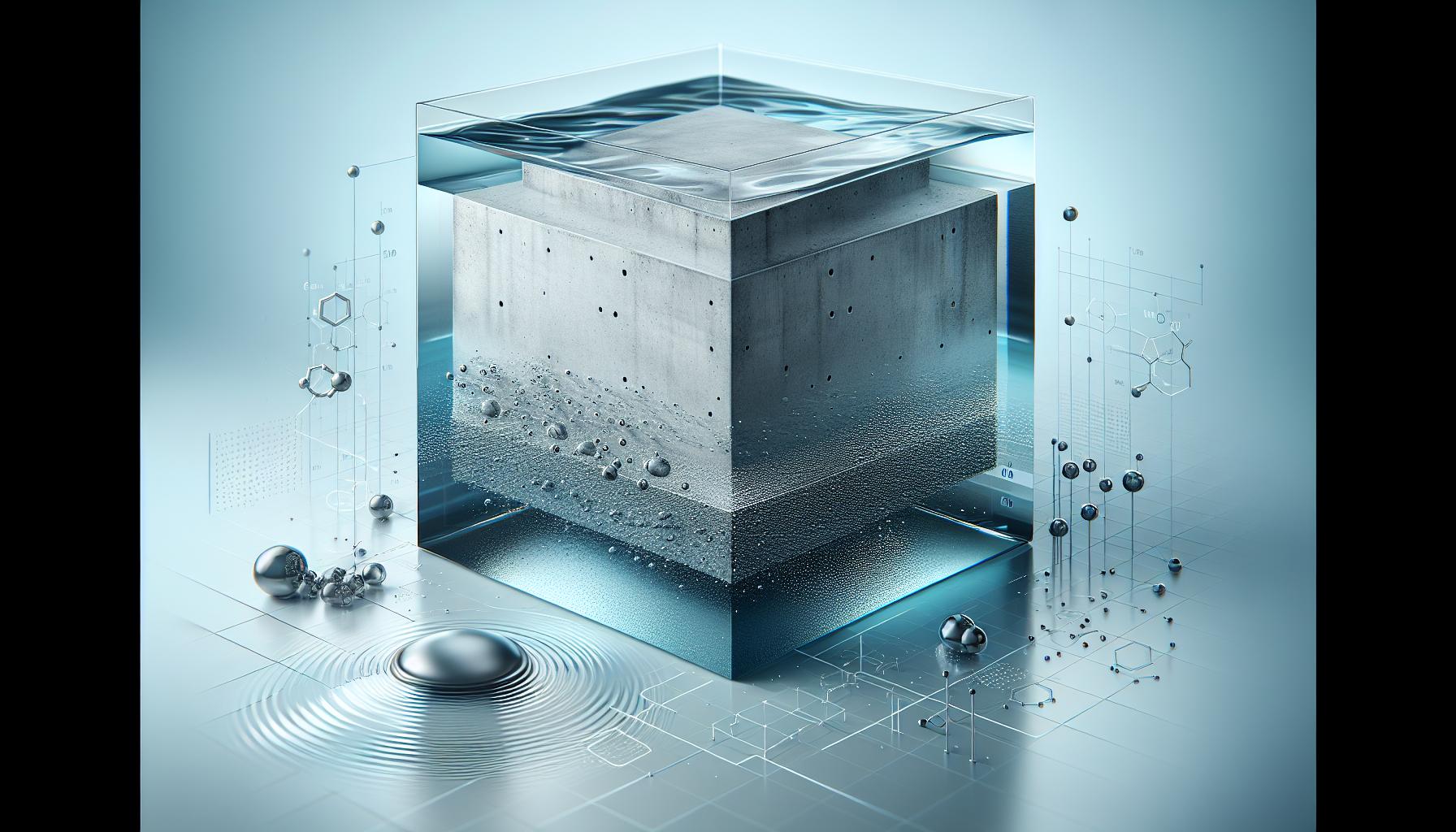
Understanding the Density of Concrete and Water
Understanding the interplay between the density of concrete and water is fundamental to grasping whether a concrete tank can float. Density is defined as mass per unit volume and plays a crucial role in buoyancy and flotation. For an object to remain buoyant, its overall density must be less than that of the fluid in which it is submerged-in this case, water.
Concrete typically has a density of around 2,400 kg/m³, significantly denser than water, which has a density of approximately 1,000 kg/m³. This difference in density is why standard concrete structures sink rather than float. However, the equation changes when innovations in design and materials come into play. For instance, lightweight aggregates can be mixed into the concrete, or air gaps can be incorporated into the structure. These adjustments can effectively decrease the overall density of the tank.
- Lightweight Concrete: Utilizing materials like expanded clay or pumice allows for a lower density concrete without compromising strength.
- Hollow Structures: Designing tanks with internal voids or chambers filled with air can significantly reduce weight without sacrificing capacity.
- Tank Configuration: The shape and volumetric design of the tank can optimize water displacement, ensuring that more water is pushed aside than the combined weight of the concrete and its contents.
Density Calculations in Practice
Understanding how these modifications affect density can be made clearer through calculations. For example, if a concrete tank weighing 3,000 kg has a volume of 1.5 m³, its density can be calculated as follows:
| Parameter | Value |
|---|---|
| Weight of Tank (kg) | 3,000 |
| Volume of Tank (m³) | 1.5 |
| Density Calculation (kg/m³) | 2,000 (3,000 kg ÷ 1.5 m³) |
In this case, the density of the tank is 2,000 kg/m³, which, although still greater than water, demonstrates that by further manipulating factors such as volume or material choice, the overall density can be reduced to achieve buoyant capabilities.
Thus, when evaluating the potential for concrete tanks to float, one must consider not just the density of the concrete itself but also how design elements and material innovations play a critical role in achieving a balance that allows these structures to remain on the water’s surface. Understanding these principles not only fosters innovative engineering solutions but also inspires the exploration of concrete’s versatility in industry applications.
Key Factors That Influence a Tank’s Buoyancy
Understanding the key factors that influence the buoyancy of concrete tanks opens a new world of possibilities in engineering and design. Buoyancy is not just a matter of weight versus water displacement; it is a delicate balance involving several intertwined elements that can shift the potential for floating structures. The most critical factors include the tank’s density, design features, water salinity, and environmental conditions, each playing a vital role in determining whether a concrete tank can defy gravity and float.
One of the primary contributors to buoyancy is the overall density of the tank, which must remain lower than that of water to achieve flotation. As previously mentioned, standard concrete has a density that typically exceeds that of water. However, adjustments in materials and structure can lead to a more favorable density. The incorporation of lightweight aggregates such as expanded shale or pumice modifies the bulk density of the concrete, enabling it to be less heavy than conventional types. Similarly, implementing internal voids or chambers not only reduces the tank’s weight but also increases its capacity for buoyancy by optimizing the design to displace more water.
Design Features that Enhance Buoyancy
The shape and configuration of the tank considerably influence its buoyancy as well. A tapered or rounded design can enhance water displacement, allowing the tank to push aside a greater volume of water, thereby counteracting its weight more effectively. The waterline-where the tank sits in the water-should be strategically placed to ensure that the center of gravity remains low, which aids in maintaining stability and preventing capsizing.
Another factor that can enhance the floating capability is the presence of water salinity, which affects water density. In brackish or saltwater environments, the denser water can help support additional weight, thus allowing tanks that may sink in fresh water to float in saline conditions. Understanding this interaction can be crucial for industries that rely on floating structures in diverse aquatic environments.
To illustrate, consider the construction of floating breakwaters made from modified concrete. These structures leverage innovative designs that reduce overall weight while increasing buoyancy, showcasing the practical applications of understanding these factors. Engineers can optimize tank designs for both performance and utility, drawing from nature-inspired designs seen in traditional boat hulls which emphasize buoyancy through shape and material science.
In conclusion, by exploring the confluence of density, design, waterattributes, and environmental conditions, it becomes evident that with thoughtful engineering, even concrete tanks, principally associated with weight, can be transformed into flotation devices that serve various industrial purposes. Understanding these basic principles can empower those in the field to innovate and explore new opportunities in floating concrete technology.
The Role of Tank Design in Floating Capability
The design of a concrete tank plays a pivotal role in its potential for floating, transforming what is typically perceived as a heavy, immovable structure into a resilient buoyant solution. A well-engineered tank can effectively counterbalance its weight with innovative shape, material selection, and internal configurations. The intrinsic relationship between form and function is critical; by optimizing these design elements, engineers can create tanks that not only float but also maintain stability and performance in various water environments.
One of the most effective design strategies involves incorporating voids or chambers within the concrete structure. These air-filled sections significantly reduce the overall density, granting the tank the ability to displace more water, which is essential for achieving buoyancy. For example, modern floating concrete docks frequently utilize hollow concrete pontoons that minimize weight without compromising structural integrity. This approach is supported by the Archimedes’ principle, which states that an object submerged in water experiences an upward force equal to the weight of the water displaced by it. Therefore, by maximizing the tank’s volume while minimizing its weight through smart design, engineers allow for increased buoyancy.
Furthermore, the shape of the tank itself can be a decisive factor in its floating capability. Tanks designed with a tapered or rounded profile enhance water displacement compared to flat designs, allowing them to navigate more easily through water and maintain stability. When the waterline is strategically positioned, the center of gravity is lowered, which minimizes the risk of capsizing. For instance, floating breakwater systems, which are essential for shoreline protection, often adopt hydrodynamically optimized shapes that not only float but also effectively mitigate wave energy. Such designs exemplify how combining engineering principles with practical applications leads to enhanced performance.
To ensure that the floating concrete tanks meet the challenges of diverse environmental conditions, it is crucial to incorporate materials resistant to corrosion and deterioration, particularly when exposed to saltwater or industrial pollutants. This advances the longevity and safety of floating structures in various marine applications. Additionally, engineers must evaluate the potential impacts of currents, wind, and wave forces on design, reinforcing the structure to withstand these natural influences.
In summary, is multifaceted, intertwining aspects of materials engineering, hydrodynamics, and stability principles. By understanding and applying these concepts, professionals can create innovative floating concrete solutions that not only fulfill functional requirements but also adapt to a host of industrial applications.
Real-World Examples of Floating Concrete Structures
Concrete structures that float might sound counterintuitive, but innovative engineering has made this concept a reality in various applications. As urbanization and the need for sustainable solutions grow, floating concrete structures have emerged as a viable alternative to traditional methods. Notably, floating concrete platforms are being utilized in various industries, showcasing their versatility and effectiveness in real-world scenarios.
One prime example of floating concrete technology can be seen in floating breakwaters. These structures are designed to protect coastlines and harbors from wave action while floating on the water’s surface. Employing hollow, buoyant concrete segments, these breakwaters demonstrate how engineers can use the principles of buoyancy and water displacement effectively. A notable installation is the Palau Breakwater in Micronesia, which utilizes floating concrete units to safeguard marine environments while allowing crucial maritime activities to continue unabated. Similar technologies are seen in marinas where floating concrete docks enable boats to remain stable and accessible, regardless of tidal variations.
In the realm of sustainability, floating concrete solar farms represent a significant step forward. By positioning solar panels on floating concrete bases, these installations reduce land use and enhance energy efficiency by cooling the panels in water. The Korean Solar Floating Plant, located in the Saemangeum tidal flat, is one of the largest examples globally, demonstrating how floating concrete can contribute to renewable energy solutions while minimizing ecological disruption.
The construction of floating cities is another futuristic application where floating concrete technologies are on the horizon. Concept designs, like Oceanix, propose communities that can adapt to rising sea levels while maintaining a low environmental footprint. These projects highlight not only the buoyant capabilities of concrete but also its potential in addressing climate change challenges.
As these examples illustrate, floating concrete structures are not merely theoretical; they are part of an evolving landscape that emphasizes innovative engineering solutions. From breakwaters to renewable energy applications, concrete’s role in floating systems is poised to expand, providing both functionality and resilience in a changing world.
Innovative Engineering Techniques for Buoyancy
Innovative engineering has revolutionized the concept of buoyancy in concrete structures, transforming a seemingly paradoxical idea into practical applications. The ability of concrete tanks to float derives not only from the material’s inherent density but also from advanced techniques employed during their design and construction. By incorporating specific modifications and materials, engineers can successfully create floating concrete solutions that cater to various industrial needs.
One of the groundbreaking methods to enhance buoyancy is employing hollow-core construction. This technique involves designing concrete elements with internal cavities or voids, significantly reducing their overall weight without sacrificing structural integrity. By displacing larger volumes of water while maintaining stability, hollow-core tanks can float more effectively. This has been particularly impactful in projects like floating breakwaters and solar farms, where weight management is crucial.
Another innovative approach is the use of lighter aggregate materials in concrete formulation. Traditional concrete is often heavy, which poses a challenge for floating applications. By substituting standard aggregates with lighter options-such as expanded clay or pumice-engineers can create a buoyant concrete mix. This advanced material science not only facilitates a higher buoyancy ratio but also promotes durability against environmental stressors like wave action or corrosion.
Furthermore, the integration of buoyant materials into the concrete mix itself allows for additional weight reduction. This includes the incorporation of polymer micro-balloons or other synthetic additives that enhance the mix’s buoyancy. Such innovations illustrate a progressive shift toward optimizing material properties to meet specific functional requirements without compromising strength.
Real-world examples showcasing these innovative engineering techniques are emerging globally. For instance, floating concrete docks utilize these methods to remain stable and resilient, providing a safe platform for docking boats even during fluctuating water levels. Additionally, projects like the Korean Solar Floating Plant utilize these advancements to create sustainable energy solutions while addressing space constraints on land.
The use of hybrid designs, which combine concrete with lightweight frameworks, further exemplifies the ingenuity in this field. Engineers are now exploring ways to amalgamate concrete with materials such as fiberglass or aluminum, allowing for versatile applications without losing the robust qualities of concrete. This trend not only bolsters buoyancy but also opens avenues for floating infrastructures that adapt to various environmental conditions.
By understanding and leveraging these innovative techniques, the construction industry is making significant strides toward sustainable and functional floating concrete solutions. As technology continues to evolve, the potential applications of buoyant concrete structures will undoubtedly expand, leading to new solutions in urban planning and environmental preservation.
Safety Considerations When Using Concrete Tanks
When considering the use of concrete tanks, particularly those engineered for buoyancy, safety must remain a paramount concern. While the innovative techniques employed to enable floating capabilities are impressive, they introduce unique factors that require careful management and oversight. Understanding these considerations not only fosters a secure environment for users but also enhances the longevity and functionality of the tanks in commercial and environmental applications.
Maintaining structural integrity under varying conditions is crucial. Concrete tanks designed to float can be subject to dynamic pressures such as wave action, shifting water levels, and even seismic activity. To mitigate risks, it’s essential to ensure that the tank design incorporates robust stability features. Regular inspection and maintenance routines are vital; these should include checks for signs of cracking, erosion, and the effectiveness of buoyancy mechanisms. For instance, utilizing a preventative maintenance schedule, which includes periodic assessments performed by qualified engineers, can identify potential issues before they escalate.
Operational Safety Measures
To further enhance safety, implementing operational protocols and training for personnel working with or around floating concrete tanks is advisable. Educating staff about the unique challenges posed by working on these structures-such as slip hazards during maintenance or sudden buoyancy fluctuations-will foster a safer workplace. Here are some best practices:
- Emergency Response Training: Ensure that all team members are trained in emergency procedures, including the appropriate responses to tank instability.
- Personal Protective Equipment (PPE): Mandate the use of PPE suitable for aquatic environments, including life jackets and slip-resistant footwear.
- Load Management: Establish strict guidelines for weight distribution within the tank to prevent undue stress on the structure and maintain buoyancy.
Environmental Considerations
Another layer of safety involves environmental considerations. Floating concrete tanks may impact local ecosystems, particularly if situated in sensitive water bodies. It’s critical to conduct environmental assessments before installation to understand potential effects on wildlife and water quality. Employing environmentally friendly materials and technologies can mitigate risks. For example, foul-resistant coatings can reduce algae buildup, which, if left unchecked, could compromise both safety and buoyancy.
By prioritizing these safety considerations, users of floating concrete tanks can make informed decisions that protect both people and the environment. Investing time in understanding these factors will lead to smoother operations, reduce risk, and maximize the potential for successful applications in diverse settings.
Applications of Floating Concrete Tanks in Industry
The innovative use of floating concrete tanks is revolutionizing various industries by offering versatile solutions for storage, treatment, and process applications. While concrete is traditionally perceived as heavy and immobile, advances in engineering allow these tanks to defy gravity, providing practical benefits in environments where space and stability are crucial. From wastewater treatment facilities to aquaculture, the applications of floating concrete tanks are as diverse as they are effective.
In municipal wastewater treatment, floating concrete tanks can optimize the treatment process by allowing for the efficient management of wastewater. These tanks can be designed to float on the surface of treatment lagoons, facilitating the collection and process of sewage with minimal disruption to the existing ecosystem. Their buoyancy helps to reduce the footprint of treatment facilities, allowing for the effective use of urban water bodies without extensive excavation. Additionally, incorporating advanced aeration systems within these tanks enhances the biological treatment process by promoting gas exchange, leading to faster breakdown of contaminants.
Industrial and Agricultural Uses
Floating concrete tanks serve a crucial role in industrial applications, particularly in sectors like aquaculture and hydroponics. Their design can provide ideal environments for fish farming, enabling efficient feeding and circulation while maintaining water quality. The buoyancy of these tanks allows them to be relocated easily, adapting to changing environmental conditions or seasonal requirements. Benefits include:
- Maximizing Space: Floating tanks can be arranged in modular configurations to optimize available water surfaces, allowing farmers to cultivate a variety of species without a significant ecological footprint.
- Enhanced Containment: The robust construction of concrete ensures durability, safeguarding against wildlife interference and promoting biosecurity.
- Cost Efficiency: By reducing infrastructure costs associated with traditional land-based systems, floating concrete tanks offer a financially prudent option for aquaculture operations.
Concrete technology also plays a pivotal role in the oil and gas industry. Floating concrete tanks are utilized for storage of produced water and other by-products, ensuring safe and space-efficient management. These tanks can be designed to withstand harsh marine conditions, providing a reliable solution for offshore drilling operations. Moreover, they minimize environmental risk by containing hazardous substances securely, adhering to stringent regulatory standards.
With the rising need for sustainable and resilient solutions, floating concrete tanks present an impressive synergy of functionality and adaptability. The innovative applications across various sectors exemplify how embracing these structures can lead to enhanced operational efficiencies, cost reductions, and reduced environmental impacts. As industries continue to explore the potential of floating concrete technology, the future looks promising for a world where sustainability and efficiency go hand in hand.
Environmental Impact of Floating Concrete Solutions
The implementation of floating concrete tanks presents a compelling opportunity for reducing environmental impact across multiple sectors. While concrete is often questioned for its ecological footprint in construction, innovative design and engineering have minimized negative effects, transforming it into a sustainable choice for various applications. By utilizing buoyancy, these tanks serve not only as functional structures but also as potential solutions to some critical environmental challenges.
The ability of floating concrete tanks to optimize surface area utilization is one of the most significant environmental benefits. Traditional land-based storage solutions require extensive land, which can lead to habitat destruction and increased erosion, negatively impacting local ecosystems. In contrast, floating tanks occupy valuable water surfaces without disrupting the surrounding terrain. This ability allows for the preservation of biodiversity and the maintenance of natural processes while still supporting industrial activities. For instance, in the context of aquaculture, floating tanks enable fish farming in areas otherwise left untouched by industrial development, thereby minimizing habitat disruption.
Additionally, floating concrete tanks can enhance water quality in their environments. Their design often incorporates advanced treatment systems, promoting biological efficiency and nutrient cycling. Many floating tanks are equipped with aeration features, which increase the oxygen levels in the water, supporting healthier aquatic ecosystems. This proactive management helps mitigate the risks of algal blooms and other water quality issues commonly associated with nutrient runoff from land-based agriculture and industrial sites.
Furthermore, the robustness of concrete ensures longevity and durability, reducing the need for frequent replacements. This aspect aligns well with sustainability goals, as long-lasting structures decrease the demand for raw materials and the carbon footprint associated with production and transportation. By using recycled aggregates in the concrete mix, manufacturers can further minimize environmental impact, fostering a circular economy that emphasizes reuse and resource conservation.
The incorporation of floating concrete systems, while often innovative and novel, also respects the delicate balance of existing ecosystems by promoting an integrated approach to industrial practices. Moving forward, it is crucial for industries to embrace these technologies, as they offer not only a method of reducing environmental degradation but also a way to meet the growing demands for sustainable practices in an increasingly resource-conscious world.
Future Trends in Floating Concrete Technology
The future of floating concrete technology is poised for revolutionary advancements that cater to both environmental sustainability and practical functionality. As industries grapple with the challenges posed by urbanization and climate change, floating concrete tanks present a compelling solution that capitalizes on innovative materials and designs. With ongoing research and development, these structures are evolving to enhance not only their buoyancy but also their ecological friendliness and operational efficiency.
One notable trend is the integration of advanced materials, such as lightweight composites and innovative concrete mixtures that enhance the buoyancy and durability of floating tanks. These materials, including the use of recycled aggregates and eco-friendly additives, can significantly reduce the overall weight of the structures while maintaining structural integrity. As a result, these advancements lead to decreased material costs and lower carbon footprints, aligning with the growing demand for sustainable practices across sectors.
- Smart Technology Integration: The incorporation of IoT (Internet of Things) technologies is setting a new standard for floating concrete tanks. Smart sensors can monitor structural integrity, water quality, and environmental conditions in real time, allowing for adaptive management strategies that optimize both performance and sustainability. These systems can automatically adjust aeration levels or nutrient treatments based on environmental data, ensuring that water quality is maintained without manual intervention.
- Modular and Scalable Designs: Future floating concrete solutions are also moving towards modular designs that allow for easy expansion or reconfiguration based on specific project needs. This flexibility has significant implications for industries like aquaculture and stormwater management, where conditions and requirements can evolve over time. Modular tanks can be quickly assembled and deployed, offering a responsive solution to dynamic environmental conditions.
- Regenerative Solutions: Lastly, the emergence of regenerative design principles is influencing the development of floating concrete technologies. These approaches aim to create designs that not only minimize negative impacts but also actively contribute to ecosystem restoration. Projects may incorporate features such as planting vegetation on floating structures or designing tanks to serve as habitats for aquatic life, ultimately enhancing biodiversity.
The integration of these progressive trends marks a significant leap toward a more sustainable and effective approach to using floating concrete tanks. Entrepreneurs and industry leaders can capitalize on these innovations by investing in research collaborations or pilot projects that explore the benefits of these emerging technologies. As these advancements unfold, floating concrete solutions are expected to redefine the future of water management, offering effective responses to the increasing pressures of population growth and environmental conservation.
Comparing Concrete Tanks to Traditional Floating Solutions
When evaluating the floating capabilities of concrete tanks compared to traditional floating solutions like plastic or metal pontoons, one may find it surprising that concrete can hold its own, both in buoyancy and overall utility. Concrete tanks are designed with advanced engineering techniques that optimize their weight distribution and structural integrity, allowing them to float effectively despite their dense composition. This innovative approach is transforming perceptions of floating structures, presenting concrete as a viable alternative that can offer significant advantages over more conventional materials.
One of the primary considerations when comparing these two types of floating solutions is the issue of durability. Concrete tanks are known for their long-lasting nature, resisting the degradation that often affects wooden or plastic alternatives. Unlike traditional pontoons, which may require regular maintenance or replacement due to wear and tear, concrete tanks can withstand harsh environmental conditions, making them an ideal choice for permanent installations in aquatic environments.
- Weight and Stability: The weight of concrete provides a stability benefit that lighter structures cannot match. While traditional floating solutions may be more susceptible to movement and turbulence, the heft of a concrete tank helps anchor it better in position, reducing the risk of drifting and enhancing overall safety.
- Environmental Impact: Traditional floating solutions often rely on materials like plastic, which are not biodegradable and can contribute to marine pollution. Conversely, concrete can be engineered using recyclable aggregates and eco-friendly additives, leading to a significant reduction in environmental footprint. This makes concrete a more sustainable option over the long term.
- Cost-Effectiveness: Although the initial investment in a concrete tank may be higher compared to traditional pontoons, its longevity and minimal maintenance needs often lead to lower overall lifecycle costs. This economic aspect can be particularly appealing for industries requiring reliable, long-term water management systems.
The strategic use of concrete in floating applications doesn’t merely reflect an adaptation of material but indicates a shift toward an innovative mindset in engineering and environmental stewardship. The unique properties of concrete-such as its ability to be molded into various shapes and its potential for integration with green technologies-enable it to support diverse applications, from aquaculture to stormwater management. As developers and businesses recognize the broad applications of floating concrete tanks, they may find themselves at the forefront of a new wave of sustainable design that aligns operational efficiency with ecological responsibility.
In summary, the decision to choose between concrete tanks and traditional floating solutions hinges on several factors, including durability, environmental impact, and long-term cost-effectiveness. With concrete continuously evolving to meet modern engineering challenges, it positions itself as a formidable contender in the realm of floating technologies.
Expert Insights on Concrete Buoyancy and Design
An interesting aspect of concrete buoyancy lies in its surprising ability to float when expertly designed. While most people associate concrete with heaviness and permanence, innovative engineering enables it to be utilized in floatation applications, fundamentally altering traditional perceptions. By integrating advanced design principles and understanding key concepts of buoyancy, engineers ensure that concrete tanks can not only stay afloat but also serve various industrial purposes effectively.
The concept of buoyancy is rooted in the principle that an object will float if the weight of the fluid displaced by the object is greater than or equal to its own weight. For concrete tanks, this means that their design must focus on distributing weight in a way that maximizes the volume of water displaced. Factors like *shape*, *size*, and *hollow-core construction* can significantly impact the overall buoyancy of the tank. For instance, designing tanks with a wider base or incorporating air-filled voids can enhance buoyancy without compromising structural integrity.
- Material Composition: Using lighter aggregates or incorporating foamed concrete can reduce the overall weight, leading to improved buoyancy without sacrificing the tank’s strength.
- Hydrodynamic Shapes: Designing the tank to have streamlined or rounded edges can help reduce resistance against water currents, providing better stability and efficiency in aquatic environments.
- Weight Distribution: Placing heavier components at the bottom of the tank can lower its center of gravity, which increases stability and minimizes the risk of tipping in rough water.
Moreover, real-world applications showcase the effectiveness of these design strategies. For instance, floating fish farms utilize specially designed concrete tanks that maintain stability even in turbulent waters, promoting a reliable environment for aquaculture. In addition, many stormwater management systems now feature floating concrete tanks designed to handle varying water levels while preventing overflow and ensuring effective sedimentation processes.
With these insights in mind, it’s essential for entrepreneurs and engineers to adopt a holistic approach when designing concrete floating structures. By meticulously considering factors such as material selection, design engineering, and performance requirements, they can optimize concrete’s buoyant properties and expand its applications within sectors ranging from agriculture to environmental management. This proactive mindset not only meets immediate business needs but also contributes positively to sustainable industry practices.
Frequently asked questions
Q: How does the density of concrete affect its ability to float?
A: The density of concrete is typically greater than water, which generally prevents it from floating. However, when a concrete tank has an adequate design and incorporates air pockets or buoyant materials, it can achieve a balance that allows it to float. For detailed insights, check out the section on “Understanding the Density of Concrete and Water.”
Q: What engineering techniques enhance the buoyancy of concrete tanks?
A: Techniques like incorporating lightweight aggregates, using hollow cores, and integrating buoyant materials can significantly improve the buoyancy of concrete tanks. These methods are designed to reduce the overall weight without compromising structural integrity, as discussed in the “Innovative Engineering Techniques for Buoyancy” section.
Q: Where are floating concrete tanks commonly used?
A: Floating concrete tanks are commonly used in water treatment plants, marinas, and offshore structures. Their applications range from storage solutions to environmental monitoring, as detailed in “Applications of Floating Concrete Tanks in Industry.”
Q: Can a concrete tank submerge if not designed properly?
A: Yes, a poorly designed concrete tank can submerge due to insufficient buoyancy factors or improper weight distribution. Ensuring the right design and materials are crucial for maintaining floating capability. For more on design considerations, refer to “The Role of Tank Design in Floating Capability.”
Q: What are the environmental benefits of using floating concrete tanks?
A: Floating concrete tanks can reduce land use, minimize ecological disruption, and improve water quality management in various settings. Their use promotes sustainable practices in industrial applications, as highlighted in “Environmental Impact of Floating Concrete Solutions.”
Q: Why do some floating structures fail while others succeed?
A: The success of floating structures often hinges on precise engineering calculations, material selection, and adherence to design principles. Factors including water conditions, load management, and external forces play a critical role, as elaborated in “Key Factors That Influence a Tank’s Buoyancy.”
Q: What challenges do floating concrete tanks face in different climates?
A: Floating concrete tanks can encounter challenges like freezing temperatures, algae growth, and varying water levels. These factors can affect structural integrity and buoyancy. For a deeper understanding, consider reading “Safety Considerations When Using Concrete Tanks.”
Q: How do floating concrete tanks compare to traditional buoyant solutions?
A: Floating concrete tanks offer durability and stability compared to traditional solutions like plastic or metal. Their longer lifespan and resistance to environmental factors make them a preferred choice in many industrial applications, which is thoroughly compared in “Comparing Concrete Tanks to Traditional Floating Solutions.”
For a broader understanding of these concepts, revisit the main article for expert insights and practical applications.
In Retrospect
Now that you’ve uncovered the surprising truth about whether a concrete tank can float, it’s clear that engineering principles can sometimes defy our expectations. Remember, buoyancy isn’t just about the weight of an object-it’s about its density and the water it displaces. This intriguing topic reveals the complexities behind simple phenomena and inspires deeper questioning of our world.
If you enjoyed this exploration of engineering marvels, consider diving into our related articles on the science of buoyancy and engineering design principles for more insights that will both educate and entertain. Don’t forget to check out our engineering toolkit for essential resources to aid your own projects and innovations.
Join our community by subscribing to our newsletter for the latest updates and resources, ensuring you never miss out on fascinating insights. Have thoughts or questions? We’d love to hear from you-leave a comment below! Your curiosity drives our content, so let’s keep the conversation going. Remember, exploring the unexpected aspects of engineering could lead to groundbreaking ideas, so stay curious and keep learning!


