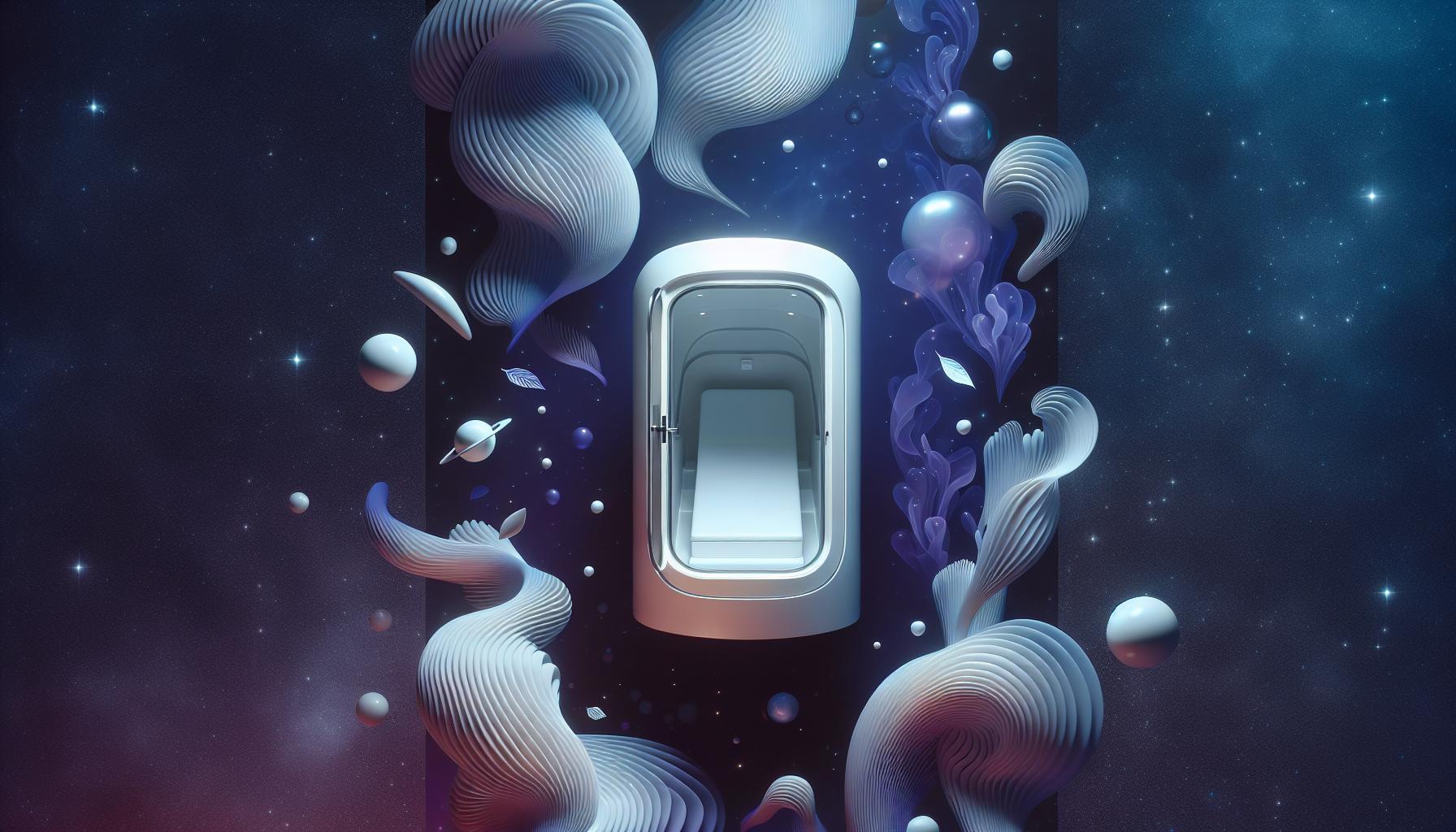

Imagine stepping into a serene oasis where the outside world fades away, and you are enveloped in a cocoon of warmth and silence. This is the experience offered by float tanks, also known as sensory deprivation tanks. For many first-timers, the thought of floating in warm, Epsom salt-infused water can stir a mix of excitement and apprehension. Understanding what to expect can enhance your experience and make it more enjoyable.
Float tanks provide a unique opportunity to unwind, aiding relaxation and promoting mental clarity. This journey into stillness can help alleviate stress, soothe muscle tension, and foster a deeper connection with oneself. If you’ve ever felt overwhelmed by daily pressures or simply wish to explore a new avenue for self-care, float therapy is worth considering.
In this guide, we’ll explore what to expect during your first float, share honest insights from seasoned users, and provide helpful tips to ensure you make the most of your experience. Prepare to dive into this transformative world of relaxation, and discover a sanctuary waiting just for you.
Preparing for Your First Float Tank Experience: What to Expect

The journey into the serene world of float tanks can be a transformative experience, but understanding what to expect can alleviate any apprehensions. For first-timers, knowing how to prepare for your inaugural session can significantly enhance the overall experience. Float tanks, or sensory deprivation tanks, are environments designed for relaxation and introspection, offering a respite from the sensory overload of daily life. Before stepping into this soothing atmosphere, consider the following key aspects to ensure a smooth and fulfilling experience.
Understanding the Environment
When you arrive at the float tank center, expect a calming ambiance that promotes relaxation-often dim lighting and soft music set the mood. Most facilities provide private rooms equipped with a float tank, and you will have access to showers for rinsing off before and after the session. Take a moment to read the guidelines provided by the center; they usually cover the dos and don’ts for your float session.
Preparatory Steps
To maximize your first float experience, consider these preparations:
- Hydration: Drink plenty of water before your session, as staying hydrated can enhance your comfort and relaxation.
- Diet: Avoid heavy meals or caffeine right before floating; a light snack is acceptable if needed, but be mindful of how your stomach feels during the float.
- Personal Hygiene: Showering before entering the tank is standard procedure to maintain the cleanliness of the water. Use the facilities provided at the center for this purpose.
- Attire: Many people float in their swimsuits or, for a more liberating experience, fully nude. If you choose the latter, ensure you’re comfortable with this choice.
Arriving at the Center
Once you arrive, take a few moments to breathe and center yourself. The staff will guide you on what to expect, and they may offer a brief orientation. This can include how to enter and exit the tank, the initial process of turning off the lights, and potential options for ambient noise or music. Don’t hesitate to ask questions-knowing this information will help ease any potential anxiety and allow you to focus on the floatation experience ahead.
Lastly, embrace the idea of letting go. The float tank environment is designed for your relaxation, and it’s perfectly normal to feel a mix of excitement and nervousness beforehand. Remember, your first experience is uniquely personal; every journey is different but equally valuable. By preparing thoughtfully, you set the stage for a truly enriching floatation experience that can benefit both your mental and physical wellness.
The Benefits of Float Tanks: Mental and Physical Wellness

Experience the profound tranquility offered by float tanks, a therapeutic environment that has been praised for its multifaceted benefits for both mental and physical wellness. Research suggests that regular sessions can reduce stress, alleviate anxiety, and enhance overall mental clarity. When you step into the tranquil waters, your body is gently cradled by the buoyant Epsom salt solution, allowing you to relax deeply, promoting a detachment from the chaos of daily life. This immersion not only offers a retreat but also serves as a catalyst for introspection and personal growth.
Mental Health Benefits
The impact on mental health is particularly noteworthy. Studies have demonstrated that floatation therapy can significantly decrease cortisol levels, which are often heightened by stress. This reduction can lead to better emotional balance, improved mood, and an overall sense of well-being. Here are key ways float tanks can enhance mental health:
- Stress Reduction: Floating provides a profound state of relaxation, allowing your mind to quieten and escape from external stimuli.
- Anxiety Relief: Many users report feeling less anxious after a session, as the serenity of the tank helps to dissolve worries and intrusive thoughts.
- Enhanced Creativity: The deep relaxation associated with floatation can spur creative thinking by giving your brain the downtime it needs to process ideas more freely.
- Improved Sleep Patterns: Regular floatation can contribute to better sleep quality, helping you wake refreshed and ready to tackle new challenges.
Physical Wellness Benefits
The advantages of floatation therapy extend beyond mental health, touching on numerous aspects of physical wellness as well. Floating is not only therapeutic; it can also be a practical approach to physical recovery and wellness maintenance. Consider these benefits:
- Pain Relief: The buoyancy of the Epsom salt solution alleviates pressure on joints and muscles, offering relief from conditions like arthritis, fibromyalgia, and muscle tension.
- Muscle Recovery: Athletes often use float tanks to expedite recovery. Soaking in a float tank can help reduce lactic acid build-up after workouts, leading to faster healing.
- Circulation Improvement: Floating can promote better blood circulation, aiding in nutrient delivery and toxin removal, which enhances overall mobility and recovery.
- Skin Benefits: Epsom salt is known for its skin-soothing properties, which can help clear up conditions like eczema or psoriasis.
The experience inside a float tank nurtures a balance between body and mind, ultimately culminating in a holistic approach to wellness. On a practical level, if you are considering starting a floatation business, understanding these benefits is vital in communicating value to prospective clients. Tailoring your services, such as offering specialized sessions for athletes or mental wellness programs, can establish a unique niche in the wellness industry. Promote the myriad advantages of float tanks not just as a service but as a transformative mental and physical journey that resonates deeply with clients’ health aspirations.
What Happens in a Float Tank Session: A Step-by-Step Journey
Stepping into a float tank can feel like embarking on a serene journey of self-discovery. The moment you enter this unique sanctuary, you will find yourself enveloped in a cocoon of warm, buoyant water infused with Epsom salt-an element specifically chosen to enrich your experience and promote deep relaxation. Understanding what happens during a float tank session can help alleviate nervousness and prepare you for the transformative benefits that lie ahead.
As you begin your session, the first step is to prepare your mind and body. Upon arrival at the float center, take a moment to fill out any necessary forms and address any questions with the staff. Most centers will provide a private room where you can undress and shower, ensuring your skin is clean and free from lotions or oils. This initial rinse is essential not just for cleanliness but also for enhancing your comfort throughout the float. Once ready, you will enter the float tank, which can be in the form of a pod or an open tank. As you step into the water, you’ll notice how effortlessly it supports your body, allowing you to let go of any tension.
While inside the tank, the environment quickly facilitates a transition into profound relaxation. Many flotation tanks can be equipped with features such as soundproofing and LED lights to create an immersive atmosphere. You have the option to float with the lights on or off, as well as with music or in complete silence. Each person’s preferences vary, but eliminating external distractions is a key component of the sensory deprivation experience. The water temperature is meticulously adjusted to match your skin, making it challenging to discern where your body ends and the water begins, allowing for deeper mental immersion.
Once settled, the journey unfolds in stages. Initially, you may experience a flurry of thoughts as your mind attempts to adjust to the absence of distractions. It is common for first-timers to think about their day-to-day tasks, but as time flows, you will find that your mind begins to quiet, leading you into a state of deep relaxation. Many users describe this phase as a meditative state, where insights and creativity can emerge. This process often leads to a reawakening of the body’s natural self-regulating processes. You may drift into such a tranquil state that time becomes irrelevant, resulting in a session that can range from 60 to 90 minutes.
Upon completion of your float, you will be gently guided back to the reality of your surroundings. It’s a good practice to allow yourself a moment to fully reorient prior to leaving the tank. After showering again to rinse off the salt, you can enjoy some post-float time in a relaxation area, where you might sip herbal tea or reflect on your experience. This time is crucial to integrate the benefits of the session. Many participants report having more clarity, creativity, and a sense of well-being long after the experience is over.
For those considering establishing a floatation center, it’s important to ensure that your space caters to each step of the journey described. An inviting atmosphere and attentive staff can significantly enhance a patron’s experience and encourage repeat visits. Offering warm, soothing spaces for pre- and post-float relaxation can create a complete wellness experience that keeps clients returning-not just for the comfort of floating but for the community built around wellness and recovery.
Understanding the Sensory Deprivation Process: How It Works

Stepping into a float tank means immersing yourself in a world where sensory inputs fade away, allowing for an extraordinary journey into relaxation and introspection. Sensory deprivation is not just about reducing stimuli; it creates an environment that enables your mind and body to genuinely reset. When you float in the dense, Epsom salt-infused water, the buoyancy reduces the strain on your muscles and joints, while the warm, skin-matching temperature allows the body to forget its boundaries. This unique combination of physical support and sensory reduction facilitates a state that many describe as profoundly calming and often enlightening.
The scientific basis of sensory deprivation explores how the brain responds when external stimuli are minimized. In this tranquil setting, typical mental chatter may give way to a more profound state of awareness and creative thought. Studies have shown that reducing sensory input can lead to decreased levels of stress hormones like cortisol, helping to lower anxiety and improve overall mental clarity. For many, the experience can feel akin to deep meditation, where thoughts float in and out, and insights often emerge unbidden. As you lose track of time and enter into this extraordinary state, your mind gets the chance to rejuvenate, enabling not just relaxation but also potential breakthroughs in thinking or creativity.
For first-time users, it’s beneficial to understand how each session can vary significantly based on personal mindset and expectations. Here are some elements of the sensory deprivation experience to keep in mind:
- Initial Discomfort: Expect a phase of adjusting to the new environment. You might feel restless or distracted at first, but this is perfectly normal and is often when your brain transitions to a quieter state.
- Personal Preferences: Many float centers allow you to customize your float experience by choosing music, lights, or total darkness. Experiment with what helps you relax the most.
- Physical Response: Floating can occasionally elicit unexpected physical sensations, such as tingling or a sense of weightlessness. Embrace these feelings; they are part of the relaxation process.
- Post-Float Reflection: Allow time after your session to reflect on your experience. Engaging in a brief journal entry or meditation can deepen the benefits you’ve gained.
This understanding of sensory deprivation not only prepares you for a fulfilling floating experience but also has compelling implications for float center owners. By emphasizing a well-structured float environment that enhances the sensory deprivation process, you create a space where clients can feel supported in their quest for wellness. By investing in quality facilities such as soundproofing and options for personal customization, you can make your center a sanctuary that champions relaxation and encourages repeat visits. Prioritizing cleanliness, comfort, and a serene atmosphere establishes a holistic environment where wellness flourishes.
In the ever-evolving wellness industry, you’re not merely offering a service; you’re facilitating transformational experiences that can profoundly impact users’ mental and physical states. By fostering an environment where sensory deprivation is skillfully harnessed, you can encourage your clients to embrace this unique therapeutic journey time and again.
Common Misconceptions About Float Tanks: Debunking the Myths
Floatation therapy has gained considerable popularity, yet, despite its rise, many misconceptions continue to cloud perceptions of float tanks. One of the most persistent myths is that float tanks are claustrophobic, akin to being trapped in a coffin-like space. In reality, most float tanks are designed to be spacious enough for individuals to relax fully. Many tanks allow users to open the lid during their session, providing a sense of freedom and control. Those new to floating might find it helpful to know that this environment is meant to promote a peaceful mind-body connection rather than provoke anxiety.
Another common belief is that flotation therapy is merely a luxury experience, something frivolous akin to a day at the spa. On the contrary, research consistently supports numerous health benefits associated with floating, ranging from reduced stress and anxiety levels to enhanced creativity and problem-solving abilities. Floatation has been shown to lower cortisol levels and activate the parasympathetic nervous system, which are physiological processes linked to relaxation and recovery. For first-timers, knowing that this isn’t just an indulgent experience, but a scientifically-backed method to nurture mental and physical wellness, can be incredibly reassuring.
Safety concerns also come into play, as some worry about hygiene within float tanks. This skepticism is understandable; however, reputable float centers prioritize cleanliness. The high concentration of Epsom salt in the water discourages bacterial growth, and many tanks are equipped with filtration systems that process the water between sessions. Float centers typically adhere to strict health and safety protocols, ensuring that your floating experience is not only relaxing but also safe and hygienic.
Finally, a misconception that floats around is that floating is only beneficial for the highly stressed or those with specific conditions. In reality, anyone can benefit from the experience, as floating is suitable for various lifestyles. It can enhance mindfulness practices, improve athletic recovery, or simply offer a rare opportunity for quiet in an increasingly busy world. Understanding these truths about floatation therapy can empower individuals to explore this transformative experience, while also equipping business owners with the knowledge to educate their clients, thereby enhancing the overall perception and demand for floatation as a legitimate wellness practice.
Tips for First-Timers: Making the Most of Your Session
When stepping into a float tank for the first time, it can feel both exhilarating and nerve-wracking. Many newcomers wonder how to navigate this unique experience to maximize its benefits, ensuring they leave feeling refreshed and relaxed. One strong recommendation is to familiarize yourself with the environment before you enter the tank. Many float centers offer tours and introductory sessions that allow you to feel comfortable with the tank’s setup. Understanding that the sensory deprivation process is designed to foster tranquility can help reduce any initial anxiety.
Preparation is essential. Prior to your appointment, consider the following tips to enhance your float experience:
- Hydrate: Staying well-hydrated before your booking can aid your body’s relaxation process.
- Avoid Heavy Meals: It’s best to eat a light meal or snack about an hour or two beforehand to avoid discomfort during your float.
- Refrain from Caffeine and Alcohol: Both substances can inhibit your ability to relax fully, making it harder to get the most from your session.
- Arrive Early: Giving yourself extra time will allow you to acclimatize to the space and explore any pre-float rituals that help you unwind.
Engaging in a pre-float relaxation technique can also significantly enhance your floating experience. Many first-timers find mindfulness or simple deep-breathing exercises beneficial. Taking a few moments to clear your mind before entering the tank allows you to let go of the day’s stresses and signals your body to prepare for relaxation.
Another aspect to consider is your float configuration. Depending on the center, you might be offered different types of float tanks or rooms. Understanding the specifications of your float tank, such as whether it has an open or closed design, can make your experience more comfortable. For those who may feel a touch claustrophobic, knowing that many tanks allow the lid to remain open can alleviate concerns.
Ultimately, floating is not just about the act of floating itself; it’s also about the aftercare and integrating the experience into your routine. Be sure to dedicate time post-session to reflect on your experience and how you felt throughout. Engaging in light stretching or a gentle walk can help ground you and amplify the peaceful state you’ve cultivated in the tank.
By preparing thoughtfully and approaching your session with an open mind, you’ll position yourself to fully embrace the meditative benefits of floatation therapy. And if you’re a business owner, ensuring customers understand these steps can create a welcoming atmosphere that encourages repeat visits, reinforcing the center’s reputation as a nurturing space for wellness and relaxation.
Addressing Anxieties: What If You Feel Claustrophobic?
When stepping into a float tank for the first time, it’s common to wonder about feelings of claustrophobia, especially when surrounded by an enclosed space. Interestingly, studies have shown that many individuals who anticipate discomfort actually find the experience calming and liberating once they allow themselves to relax. Understanding how to manage any worries about confinement can significantly enhance your float experience.
To begin with, it’s essential to choose the right float tank configuration for your level of comfort. Many float centers offer both open and closed tank options. Open tanks resemble large, shallow pools, providing ample room to move and breathe without feeling confined. In contrast, closed tanks can resemble small pods, which some might find intimidating but are designed to promote a sense of safety and privacy. Before your appointment, inquire whether the center allows the lid to remain open during the session, as this can be a great way to ease anxiety while still benefiting from sensory deprivation.
In addition to selecting the right tank style, consider a few mindfulness techniques that can help mitigate feelings of claustrophobia. Breathing exercises are particularly effective; practicing deep, slow breaths both before and during your float can ground your thoughts and promote relaxation. Visualizing a comforting space can also aid in this process. Imagine yourself in a serene, open environment – a tranquil beach or a peaceful garden – as you float. This technique can help redirect your focus from any feelings of confinement to a more positive and expansive mental state.
Additionally, it may be beneficial to talk to your float center staff prior to your session. These professionals are usually well-equipped to provide reassurance and advice tailored to your specific anxieties. Most importantly, remember that your wellbeing is paramount; should you begin to feel overwhelmed at any point, you can always leave the tank. Knowing you have the option to exit at any moment can significantly reduce anxiety, allowing for a more enjoyable and fulfilling experience.
Managing potential claustrophobia is not just about creating a comfortable environment; it’s about cultivating a mindset of safety and relaxation. By taking proactive steps-understanding tank options, practicing mindfulness, and communicating with staff-you can approach your float session with confidence. This empowering perspective not only eases anxiety but also sets the stage for a deeply restorative experience that can enhance both personal wellness and the overall atmosphere of your float center.
Choosing the Right Float Tank Center: Key Considerations
When it comes to the transformative experience of floating, the importance of choosing the right float tank center cannot be overstated. The quality of the facility – from its ambiance to the professionalism of the staff – plays a crucial role in setting the stage for a rewarding floatation therapy session. As such, there are a number of key considerations that can significantly enhance your experience.
Understanding the range of facilities available is essential. Some float centers may focus on a holistic, spa-like atmosphere, offering additional services such as massages, saunas, and wellness workshops. Others may prioritize a more minimalist, clinical environment, highlighting the scientific aspects of float therapy. Deciding which atmosphere resonates with you is a critical factor. Before booking, explore the center’s website to get a feel for its ethos, ambiance, and additional services.
Consider the following factors to ensure you select a center that aligns with your expectations:
Facility Cleanliness and Maintenance
A clean and well-maintained float tank environment is essential for your health and safety. Look for centers that prioritize hygiene, with regular water testing and cleaning protocols in place. Many reputable centers provide transparency about their maintenance practices, often listing their cleaning schedules and discussing the filtration systems used to keep the water pristine.
Tank Options and Configuration
As previously mentioned, float tanks come in various shapes and sizes. Inquire about the types of tanks available and whether you can see them during a tour of the facility. If you have concerns regarding confinement, centers that offer both open pools and closed pods can help meet diverse comfort levels. Some facilities allow you to try out the tank before your session, easing you into the experience.
Staff Training and Expertise
The knowledge and demeanor of the staff can greatly impact your float experience. Look for centers with certified instructors or therapists who can answer your questions and address any concerns effectively. Friendly, supportive staff can create a welcoming atmosphere, making it easier for first-timers to relax.
Customer Reviews and Recommendations
Prior experiences of other clients can offer valuable insights. Check online reviews or ask friends for recommendations to find a reputable center. Pay attention to comments about the cleanliness of the facility, the effectiveness of the sessions, and the expertise of the staff. A center with consistently positive feedback is likely to provide a better experience.
By taking the time to consider these factors, you can confidently choose a float tank center that fits your needs and enhances the benefits of your floatation journey. Whether you seek profound relaxation, mental clarity, or physical wellness, the right environment plays a pivotal role in achieving your desired outcomes. Embrace the adventure of floating with the assurance that you’re in the right hands, ready to explore this unique pathway to wellness.
Aftercare: How to Enhance the Benefits of Floating
After indulging in the serene experience of a float tank session, the journey towards maintaining and enhancing its benefits doesn’t end when you step out of the tank. In fact, the moments following your float can greatly influence how you integrate this unique therapy into your daily life, unlocking deeper levels of relaxation and clarity that can last well beyond your session.
To maximize the positive effects of floating, consider engaging in a few self-care routines immediately afterward. Hydration plays a pivotal role in replenishing your body, especially since floating in magnesium-rich Epsom salt can lead to increased absorption of the mineral. Drink plenty of water in the hours that follow your session to keep your body well-hydrated and to help flush out any impurities that may have surfaced during your deep relaxation.
Another effective way to carry the tranquil energy from your float tank into your everyday life is through mindfulness practices. Techniques such as guided meditation or deep-breathing exercises can be incredibly beneficial. By taking just a few minutes to focus on your breath or engage in some gentle stretching, you can cultivate the calmness and clarity that floating facilitated. Consider incorporating these practices into your routine for sustained benefits. A calm mind can enhance focus and reduce stress, allowing you to tackle challenges with newfound resilience.
Physical Aftercare
It’s equally important to understand how to care for your body post-float. After spending time in the tank, many find it helpful to partake in light physical activity such as yoga or a leisurely walk. These activities can help ease any stiffness, reestablish movement, and ground your body after the floating experience. Avoid vigorous workouts immediately after to allow your body to fully absorb the rejuvenating effects of the float.
Creative Expression
For those who resonate with creativity, consider leveraging the insights or feelings that arise during or after your float. Many individuals experience bursts of inspiration or heightened creativity, making it a perfect time to engage in art, writing, or any form of self-expression. Journaling about your experience can also help crystallize the thoughts and feelings that surfaced, solidifying the mental clarity often gained from floating.
By incorporating these practices into your post-float routine, you not only enhance the immediate benefits of your floating session but also weave the resulting peace and centeredness into the fabric of your everyday life. As with any wellness practice, consistency is key, so aim to integrate these suggestions regularly, allowing the positive effects of floatation therapy to ripple outwards into every aspect of your well-being.
Exploring Floatation Therapy: Scientific Insights and Research
Floatation therapy is not merely an indulgent escape; it is a scientifically-backed approach to enhancing mental and physical health. Research indicates that spending time in a float tank can result in significant reductions in stress, anxiety, and even chronic pain. A study published in the Journal of Clinical Psychology found that floating can decrease depressive symptoms and increase overall feelings of well-being, which is especially beneficial for first-timers exploring the profound benefits of this practice.
One key aspect of floatation therapy is its ability to create an environment of total sensory deprivation, providing a unique platform for introspection and mental clarity. The tank’s isolation allows users to disconnect from external stimuli, which can lead to a state known as *rest-induced reduction of energy expenditure*. This state can ultimately enhance recovery from both physical exertion and mental fatigue. Furthermore, the high concentration of Epsom salt (magnesium sulfate) not only promotes floatation but also aids in the absorption of magnesium, a mineral crucial for muscle relaxation and overall mental health.
Scientific Benefits of Floating
The science behind floatation therapy supports a wide range of health benefits, which can be appealing for those considering their first experience. Here are some of the prominent benefits grounded in research:
- Reduction of Stress and Anxiety: Studies have shown that floatation can lower cortisol levels, the hormone commonly associated with stress.
- Improved Sleep Quality: Regular users report better sleep patterns, with increased deep sleep and less night waking.
- Enhanced Creativity and Problem Solving: Many users experience heightened creativity post-session, potentially due to the relaxed state allowing for clearer thinking.
- Physical Pain Relief: Floatation therapy has been noted for its ability to alleviate pain associated with conditions like fibromyalgia and arthritis through muscle relaxation.
Recommendations for First-Time Floaters
For individuals preparing to try floatation therapy for the first time, understanding these effects can enhance the experience. It is essential to enter the float tank with an open mind, free of expectations. Practicing relaxation techniques before your float can help optimize the sensory deprivation experience. Remember, float tanks are equipped to foster a safe and nurturing environment; they are generally private and designed to promote comfort, enabling you to fully embrace the tranquility.
As you venture into this innovative wellness practice, consider documenting your experiences and physiological reactions before and after your float sessions. This practice not only aids in self-awareness but can also serve as valuable feedback for float center operators. Entrepreneurs in the wellness industry can use this data to enhance customer experiences and address any emerging trends based on user feedback, ensuring that their offerings remain aligned with the needs and expectations of floatation therapy practitioners. Poised at the intersection of wellness and research, floatation therapy offers a wealth of possibilities for personal growth and business expansion.
Float Tanks Around the World: Unique Styles and Experiences
Float tanks are not just a product of modern wellness trends; they also reflect the diverse cultural approaches to relaxation and therapeutic practices around the globe. Across different regions, you can find unique styles and experiences that cater to both local customs and the individual needs of floaters. From minimalist pod designs to elaborate wellness sanctuaries, the world of floatation therapy offers a rich tapestry of experiences waiting to be explored.
In Switzerland, for instance, some float centers embrace the alpine environment, combining floatation sessions with breathtaking mountain views. Floaters can immerse themselves in tranquility, surrounded by nature while experiencing the buoyancy of the float tank. This setting is ideal for those seeking an escape from urban life, where the serenity of the mountains enhances the benefits of floating. In contrast, Japanese floatation centers often integrate traditional wellness practices, such as Zen meditation techniques, providing a comprehensive healing experience that extends beyond the tank.
Unique Float Tank Styles
The design and style of float tanks can vary significantly from one region to another, contributing to a unique experience for users. Here are a few notable styles:
- Pod Tanks: This popular style features a closed, oval shape that provides complete privacy and sensory isolation. Users can enjoy a cocoon-like experience that enhances the feeling of floating.
- Open Tanks: These are often irregularly shaped, resembling a pool rather than a closed pod, allowing individuals who may feel claustrophobic to float comfortably. This style is particularly favored in many wellness centers in North America.
- Luxury Float Suites: Found in high-end wellness retreats, these spaces offer lavish amenities and additional therapies, such as aromatherapy or light therapy, creating a multi-sensory experience to enhance relaxation further.
Cultural Experiences
Floatation therapy is designed to foster relaxation, and this goal is further enhanced by local customs. In Thailand, some float centers blend traditional Thai massage with floatation therapy, offering a holistic approach to stress relief and muscle relaxation. Meanwhile, in Australia, several facilities emphasize eco-friendliness, utilizing solar energy and sustainable materials for their float tanks, appealing to environmentally conscious floaters.
For first-time floaters or entrepreneurs looking to venture into the industry, understanding these diverse experiences is critical. Researching local trends and cultural preferences can be immensely beneficial. For instance, ensuring your float center reflects the area’s aesthetic and incorporates elements that locals appreciate can elevate your business’s appeal. As more individuals seek wellness alternatives, recognizing these unique styles can offer valuable insights into how floatation therapy can be effectively integrated into wider wellness practices around the world, creating opportunities for innovation and customer engagement.
Ultimately, no matter where you are in the world, float tanks present an invitation to explore a journey of relaxation and self-discovery. For first-timers, knowing that these experiences can vary widely helps normalize the sensations they might feel and encourages them to try different settings to find what resonates best with their personal needs.
The Future of Floatation: Trends and Innovations in Wellness
As more individuals seek holistic wellness alternatives, the floatation therapy industry is evolving rapidly, incorporating innovative trends that enhance the overall experience for both first-time floaters and seasoned practitioners. The future of floatation is exciting, marked by advancements in technology, integration with other wellness modalities, and the ongoing commitment to sustainability. For those considering their first float, understanding these emerging trends can enrich your experience and offer insights into what to expect during your journey.
Technological advancements are reshaping the float experience, introducing features such as interactive environments and customizable sensory settings. For instance, some float tanks now offer options for lighting, sound, and even aromatherapy to cater to individual preferences. This personalization allows users to create an environment that feels most comfortable and relaxing for them. In addition to enhancing relaxation, integrating soothing soundscapes or guided meditation can significantly elevate the floating experience.
- Biofeedback Integration: Some floatation centers are adopting biofeedback technology, allowing users to monitor their physiological responses throughout the session. This can encourage a deeper understanding of how relaxation techniques affect the body, providing insights for personal growth in stress management.
- Virtual Reality (VR) Experiences: A few forward-thinking facilities are exploring VR as an auxiliary tool to create immersive environments, making it easier for floaters to escape into tailored landscapes, from serene beaches to tranquil forests. This innovation is particularly appealing to newer floaters who may find traditional sensory deprivation challenging.
- Teletherapy Options: With the rise of remote wellness services, some floatation therapists are offering guided sessions that can be accessed from home. This trend is particularly meaningful for those who may not have immediate access to a floatation center, allowing them to engage in floating from the comfort of their space.
Beyond technology, the fusion of floatation therapy with other wellness practices is gaining traction. Facilities are combining float sessions with yoga, meditation workshops, and nutritional counseling, allowing participants to explore a more comprehensive approach to mindfulness and health. For first-timers, this integrated approach can provide a well-rounded understanding of personal wellness, addressing both mental and physical needs in deeper ways.
Moreover, sustainability is becoming a cornerstone of floatation therapy design. Many new facilities are being constructed with eco-friendly materials and energy-efficient systems, often incorporating natural elements to create a serene atmosphere that mirrors the tranquillity found in nature. This commitment appeals to environmentally-conscious floaters, enhancing their experience through a shared value of environmental stewardship.
Ultimately, as floatation therapy evolves, so too does the breadth of experiences and benefits it can offer to users. For first-time floaters, this means an exciting opportunity to not only discover relaxation but to engage in a holistic journey of self-discovery and well-being. And for entrepreneurs, keeping an eye on these trends and innovations can foster a competitive edge in this thriving wellness industry. Staying informed and adaptable will create an enriched experience for clients while paving the way for thoughtful and successful business development in the future.
FAQ
Sure! Here’s an SEO-optimized FAQ section tailored for “What Is a Float Tank Like? Honest Insights for First-Timers,” designed to address potential queries users may have without repeating existing article content.
Q: How long does a typical float tank session last?
A: A typical float tank session lasts between 60 to 90 minutes. This duration allows enough time for relaxation and sensory deprivation, promoting deeper mental and physical wellness. For first-timers, starting with a shorter session may help ease into the experience.
Q: What should I wear during a float tank session?
A: It is recommended to wear minimal clothing, such as a swimsuit or nothing at all, to enhance the floating experience. The water is kept at skin temperature, making clothing feel unnecessary. If you’re concerned about comfort, check with the float center for their specific guidelines.
Q: Can you float if you’re claustrophobic?
A: Yes, you can float even if you’re claustrophobic! Float tanks are designed to be spacious, and many facilities offer open tanks instead of enclosed pods. You can also leave the tank door ajar for added comfort, making it a more enjoyable experience.
Q: What is the water in a float tank made of?
A: The water in a float tank is typically a mixture of warm water and a high concentration of Epsom salt, which creates buoyancy. This salt solution also benefits the skin and enhances relaxation. Make sure to check with the facility for their specific water composition.
Q: Is it normal to feel disoriented after a float session?
A: Yes, feeling slightly disoriented or lightheaded after a float session is common. This occurs due to the deep relaxation and sensory break. Taking time to reorient yourself and hydrate after your session is recommended, as it helps ease the transition back to normalcy.
Q: How often should you float for maximum benefits?
A: For optimal benefits from floatation therapy, it’s suggested to float at least once a month. Many find floating once a week helps maintain a steady state of relaxation and mental clarity. Your individual needs and responses may vary, so listen to your body.
Q: What should I do if I get water in my ears during a float?
A: If you get water in your ears during a float, gently tilt your head to release the water. It’s advisable to use silicone earplugs before your session to minimize water exposure. For more tips on preparing for your float, check out the “Preparing for Your First Float Tank Experience” section of the article.
Q: Are there any age restrictions for floating?
A: Most float centers recommend that participants be at least 16 years old, although younger individuals may float with parental consent. Always check with the individual facility for their specific age requirements to ensure a safe experience.
—
This FAQ section aims to provide concise, actionable answers while incorporating relevant keywords and offering internal linking opportunities to enhance user engagement.
Wrapping Up
Now that you have a deeper understanding of what a float tank experience is like, it’s time to consider immersing yourself in this unique journey toward relaxation and self-discovery. Remember, first-timers often find that investing just one hour can lead to profound benefits-like reduced stress and heightened clarity. If you still have questions or concerns about the experience, check out our article on “Float Tank Benefits” to put your mind at ease, or explore “How to Prepare for Your First Float” for essential tips to enhance your experience.
Don’t let hesitation hold you back from embracing this opportunity for wellness. Take the plunge and book your float session today, and consider signing up for our newsletter to stay updated on the latest in relaxation techniques and wellness insights. Share your experience in the comments below-your story could inspire others to explore the calming effects of float therapy! Explore our site further for additional resources, including testimonials and expert advice that can guide you through every step of your float journey. Remember, each step you take is a move toward a healthier, more centered you.