


Float tanks have become a popular oasis for relaxation and mental clarity, but as this unique wellness experience grows in popularity, so do questions about facility etiquette. One of the burning questions from first-time users is, “Can you jerk off in a float tank?” Understanding the environment and respecting the space is crucial for both personal enjoyment and the comfort of fellow floaters.
Whether you’re seeking to enhance your meditation practice or explore sensory deprivation for the first time, knowing proper conduct in a float facility ensures a positive experience for everyone involved. Floating is all about releasing stress and embracing tranquility, and this can’t be fully achieved if concerns about etiquette linger in your mind.
In this guide, we’ll navigate the nuances of float tank etiquette, helping you set the stage for relaxation while respecting both the facility and your fellow floaters. Dive into a world of mindful floating with the insights you need to enhance your experience.
Understanding Float Tank Etiquette: What You Need to Know
Understanding the nuances of float tank etiquette is essential for both the individual and the community spirit of floatation therapy. Float tanks are designed not just as a means to relaxation and self-discovery, but also to foster an environment of respect and comfort among all users. First-time floaters often have questions about what behaviors are appropriate inside the tank and in the shared facilities. It’s important to establish clear boundaries and guidelines that ensure everyone can maximize their float experience without discomfort.
When utilizing a float tank, there are certain unspoken rules that you should adhere to, starting from your arrival at the facility. Respect for others begins in the waiting area, where quiet conversation is essential. Remember that many visitors are there to disengage from the world and prepare for their session. For instance, keeping cell phones on silent or turned off and avoiding loud conversations is considered respectful behavior.
Once you are in the float area, understanding what activities are acceptable within the float tank is paramount. While floating itself is an experience primarily centered on relaxation and introspection, incorporating any behavior that may lead to discomfort for oneself or others should be avoided. Activities such as engaging in sexual acts can significantly alter the atmosphere and detract from the inclusive and calming environment that so many seek. It’s best to focus during your float on self-reflection, meditation, or simply enjoying the sensory deprivation that the tank provides.
In addition to these practices, hygiene and preparation also play a crucial role in establishing a pleasant experience for everyone involved. Most float facilities provide specific guidelines for cleanliness, such as showering before entering the tank to rinse off personal products, which is a non-negotiable part of etiquette. Individuals should check in with the facility’s rules and expectations around float tank use and hygiene to create an atmosphere of safety and respect.
By being mindful of the etiquette surrounding float tank usage, everyone can enjoy a moment of tranquility, whether they are long-time users or first-timers. Embracing these guidelines not only enhances your own experience but also contributes to a communal sense of respect among all floaters.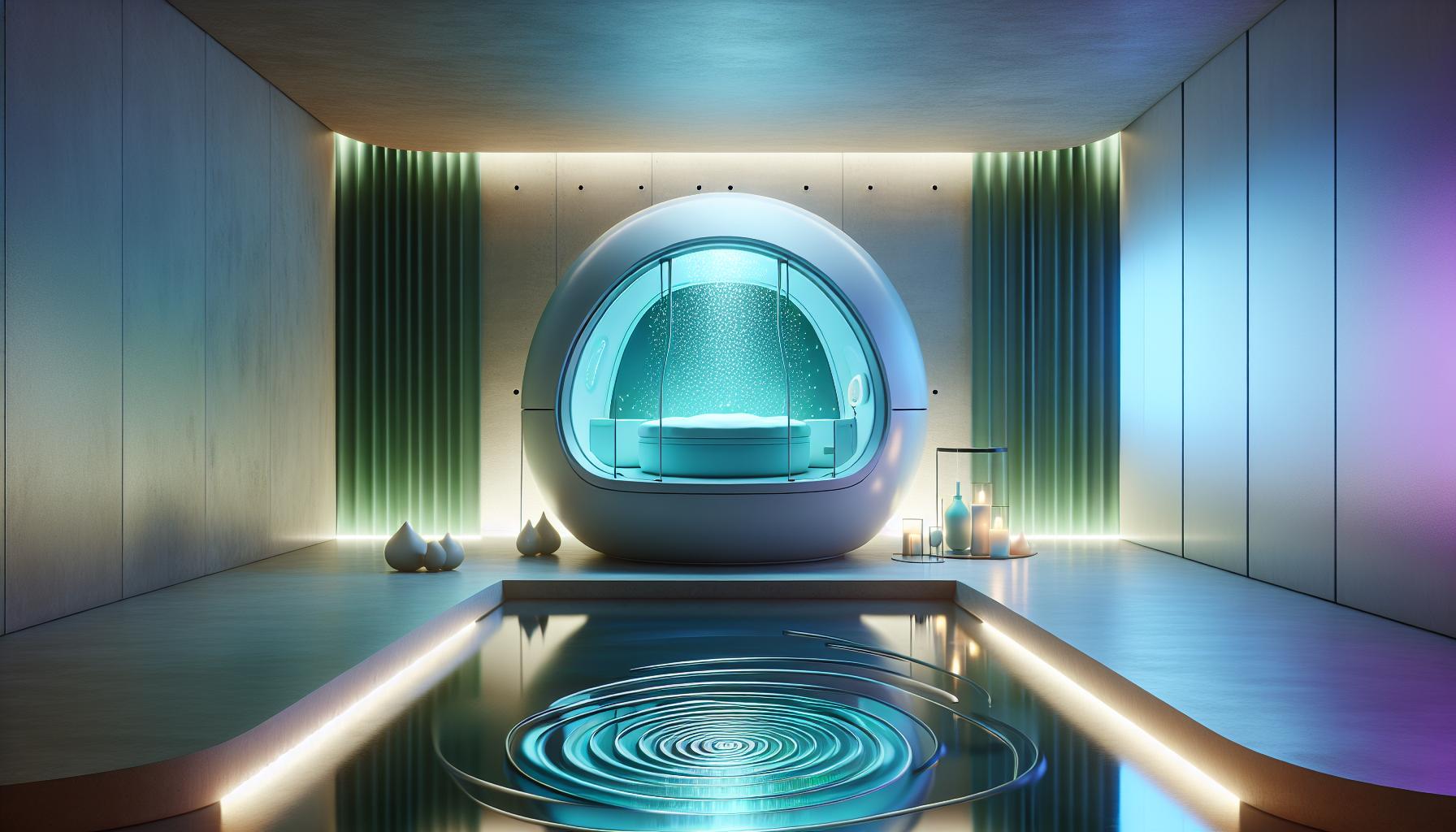
The Therapeutic Benefits of Float Tanks
The experience of floating can offer exceptional therapeutic benefits that go beyond simple relaxation. Individuals who engage in float therapy often report reductions in stress, anxiety, and physical pain, making it a powerful tool for mental and physical well-being. Floating in a sensory deprivation tank allows the body to achieve a deep state of relaxation where the mind can wander, explore, and ultimately heal. As floating gains popularity, it becomes essential to understand the potential advantages it brings, especially in relation to etiquette and the environment of shared facilities.
One significant benefit of float tanks is their ability to promote mindfulness and enhance mental clarity. During a float session, external distractions are minimized, enabling deeper introspection and self-reflection. This tranquil environment can lead to breakthroughs in personal struggles, giving individuals the space to confront thoughts or emotions they might otherwise avoid. Practitioners of mindfulness often find that regular float sessions greatly aid in their practice, as they learn to anchor themselves in the present moment and foster deeper connections with their inner selves.
Furthermore, the physical benefits of floating are remarkable. The buoyancy offered by the Epsom salt-infused water relieves pressure on joints and muscles, making it a valuable recovery tool for athletes or anyone with physical stressors in their daily life. Regular sessions can alleviate chronic pains, improve sleep quality, and even assist in reducing symptoms of conditions such as fibromyalgia and arthritis. For individuals contemplating a float session, being aware of these therapeutic outcomes can encourage a respectful approach to the practice, thus enhancing not only their own experience but also that of others sharing the space.
In addition to the mental and physical benefits, float tanks can foster community and shared experiences among users. As facilities prioritize an atmosphere of peace and respect, it underscores the importance of adhering to etiquette. Participating in this cultural mindfulness not only boosts individual experiences but reinforces the concept of a collective healing journey. By understanding and appreciating the therapeutic advantages of float tanks, users are better equipped to respect the shared and intimate nature of the experience, ultimately creating a more harmonious environment for everyone involved.
Common Misconceptions About Float Tank Use
Floating in a sensory deprivation tank offers an array of benefits for both the mind and body, yet some myths and misconceptions persist about its use, including the subject of personal activities like masturbation in this intimate setting. Understanding these misconceptions is essential for fostering a respectful atmosphere within float facilities, where the focus remains on relaxation and wellness.
One common misunderstanding is that float tanks are private spaces where users can freely engage in any activity. While it is true that the tanks offer privacy, it is crucial to recognize the shared environment of float facilities. Most establishments prioritize a serene and calming atmosphere, underscoring the importance of adhering to community etiquette. Engaging in personal stimulation can not only disrupt the tranquility for oneself but also create discomfort for adjacent floaters and staff. Users should be mindful that the intention behind floating is to escape distractions and foster deep relaxation, both of which are compromised by inappropriate behaviors.
In this context, it’s vital to communicate openly and respectfully regarding what is acceptable in float tanks. For instance, facilities often provide clear guidelines on decorum, emphasizing that the experience is meant for introspection and healing. Here are some important points to consider:
- Prioritize Respect: Remember that you are sharing a communal space. Always think about how your actions might affect others.
- Focus on Your Intentions: Float tanks are designed for relaxation and self-discovery, not for personal gratification. Embrace the opportunity to meditate and heal instead.
- Consult Facility Guidelines: Before your session, review the usage policy of the float center. Most establishments will have strict guidelines that reflect the healing nature of the practice.
By understanding these nuances and approaching float therapy with a mature mindset, individuals can ensure a more enjoyable experience that respects the shared nature of float tank facilities. Floating should be an opportunity to engage with oneself away from the chaos of daily life, fostering mindfulness and relaxation without veering into controversial territory.
What is Allowed: Activities in a Float Tank
Floating isn’t just about the act itself; it’s a holistic experience that encourages relaxation and self-discovery. Understanding what activities are appropriate within a float tank is crucial for maximizing the benefits of this unique form of therapy while ensuring a respectful atmosphere for all users.
In float tanks, the primary intention is to promote mindfulness, relaxation, and personal reflection. For this reason, the activities you engage in should center around these themes. Instead of thinking of the float tank as a space for personal gratification, consider it a sanctuary where you can disconnect from the world and connect with your inner self. Activities such as meditation, deep breathing exercises, and gentle visualization techniques are excellent ways to enhance your floating experience. These practices can lead to a deeper state of relaxation and help in harnessing the benefits of sensory deprivation.
When preparing for your session, consider the following guidelines to ensure you remain aligned with the communal environment of the float facility:
- Mindfulness Practices: Focus on breathing techniques, body scans, or visualizations to help quiet your mind and promote relaxation.
- Body Awareness: Utilize the time to observe any sensations in your body, fostering awareness and aiding in the release of tension.
- Self-Reflection: Float sessions can serve as an opportunity for introspection. Bring to mind questions or themes you wish to explore during your time in the tank.
It’s also essential to be aware of your surroundings and respect the shared experience of other floaters. Engaging in any behavior that might disrupt the tranquility of others, such as loud noises or inappropriate actions, goes against the fundamental purpose of float therapy. Every float tank is designed to provide a serene and calming environment, which makes it vital that each individual contributes to maintaining that atmosphere.
Above all, the essence of floating is about finding peace and solace, both physically and mentally. By focusing on legitimate introspective activities and remaining considerate of communal etiquette, you can fully embrace the potential of your floating experience.
Why Self-Exploration in Float Tanks Can Be Controversial
The float tank experience is a sanctuary for many, providing an opportunity for relaxation, mindfulness, and self-reflection. However, engaging in self-exploration, particularly in a way that may be deemed inappropriate, raises questions and concerns among facilities and users alike. The core purpose of float therapy is to promote well-being; thus, any action that diverges from this intent can lead to discomfort and controversy both for fellow floaters and the business itself.
There is an inherent tension between using the float tank for legitimate self-exploration and actions that may be perceived as self-indulgent or disrespectful. While the privacy of a float tank allows for an intimate connection with oneself, it is crucial to consider the shared context of the facility. Establishing boundaries around self-exploration is necessary to maintain a respectful environment. Remember that, although you are alone in your tank, floating facilities foster a communal experience where the overall atmosphere impacts everyone. Sensitivity to how personal actions might disrupt another’s tranquility is vital for preserving the benefit of all users.
To maintain a harmonious environment, it’s helpful to focus on practices that enhance personal awareness without crossing lines of etiquette. Engaging in self-reflection or mindfulness exercises, such as visualization or gentle affirmations, serves not only your own journey but also respects the sanctity of the space. Moreover, discussing float etiquette boundaries with facility staff can provide clarity around acceptable practices and foster a collaborative approach to floating.
For facility owners and entrepreneurs, fostering an environment that encourages positive self-exploration while maintaining etiquette is essential for business success. Clear guidelines on permissible activities can be outlined in pre-float orientations or signage within the facility. This proactive approach not only protects the shared space but also enriches the floating experience for all visitors, creating a balance between individual exploration and communal respect. By framing famous case studies or examples of successful float facilities where boundaries have been established, owners can set the tone for their own spaces, reinforcing the importance of a collective approach to wellness.
In conclusion, while the float tank is an incredible vessel for personal insight and relaxation, understanding the nuances of self-exploration within this sacred space can prevent potential misunderstandings and foster a more enriching environment for every floater. It’s about creating a culture of respect, where well-being is the ultimate goal for everyone involved.
Respecting Shared Spaces: Guidelines for Behavior
Experiencing a float tank can be a transformative journey, offering profound relaxation and self-discovery. However, it’s essential to acknowledge that these spaces, though private in nature, are still shared environments where multiple individuals seek tranquility and healing. Therefore, how one conducts themselves inside a float tank directly impacts the overall atmosphere and experience for everyone involved. Understanding and adhering to guidelines for behavior can ensure that this sanctuary remains a sacred space for all.
Maintaining respect for shared spaces begins with understanding the intent behind float therapy. Most facilities emphasize relaxation and mindfulness, creating an environment where patrons can unplug from the stressors of daily life. To support this ethos, individuals should follow these basic guidelines:
- Limit Noise: The float tank experience is designed to be serene. Avoid making unnecessary sounds, whether it’s talking, splashing, or tapping. Solitude is part of the healing process.
- Practice Personal Hygiene: Cleanliness is paramount in shared spaces. Showering before entering the tank is not only courteous but also vital for maintaining the hygiene of the float environment.
- Mind Your Personal Boundaries: While exploring one’s thoughts and emotions is encouraged, do so in a way that respects the sanctity of the space. Activities that could integrate into a personal practice yet could disturb others should be approached with caution.
- Be Mindful of Time: If there are guidelines regarding float session lengths, stick to them. Overextending your session can lead to scheduling issues for subsequent users.
For facility owners, fostering a culture of respect begins with clear communication. Consider implementing signage that highlights these guidelines within the facility, or provide a brief orientation before users enter their tanks. This proactive approach not only helps maintain a calming environment but also empowers patrons to take accountability for their actions.
To enhance the float experience for all visitors, create an atmosphere where self-exploration is encouraged within the bounds of mutual respect. For example, facilities could host workshops focusing on mindfulness practices that are conducive to the float environment, allowing users to harness their experience effectively while honoring shared space.
In conclusion, respecting shared spaces within float facilities is fundamental to cultivating a peaceful retreat for everyone. By adhering to behavioral guidelines and fostering an environment of collective respect, both floaters and facility owners can ensure that the benefits of float therapy are realized and cherished.
Hygiene and Cleanliness Protocols in Float Facilities
The immersive experience of using a float tank can be rejuvenating and transformative, but it also comes with important responsibilities, particularly regarding hygiene and cleanliness. For many individuals, the float tank serves as a sanctuary for deep relaxation and self-reflection, which makes it imperative that these spaces are kept pristine and welcoming. Understanding and adhering to hygiene protocols not only enhances individual experiences but also contributes to a safe, pleasant environment for everyone.
Practicing good hygiene begins before entering the float tank. Most facilities require patrons to shower thoroughly to remove oils, lotions, and any contaminants from the skin. This step is crucial, as even small amounts of these substances can pollute the highly salted water designed to float the body effortlessly. Facilities often provide accessible, private shower areas stocked with gentle, eco-friendly soaps to facilitate this process.
One of the key hygiene guidelines is to strictly prohibit any activities that could compromise cleanliness. While introspection and personal exploration are integral to the float experience, any behavior deemed inappropriate or disruptive – such as masturbation or other sexual activities – is strongly discouraged and may even lead to expulsion from the facility. This ensures that the float environment remains a peaceful haven for all patrons.
Another important aspect of hygiene is the maintenance of the float tanks themselves. Float facilities should adhere to rigorous cleaning protocols, ensuring that the water is filtered and sanitized between sessions. Most tanks use advanced filtration systems and UV light treatment to keep the water sterile, creating a safe and healthy floating experience. Regular maintenance checks and adherence to health department regulations should be critical components of the facility’s operational framework, guaranteeing a high standard of cleanliness.
Moreover, clear communication regarding hygiene policies is essential for both floaters and facility owners. Facilities should display signage outlining expectations to foster accountability and awareness among users. Additionally, staff should be trained to educate patrons about these protocols and their importance, creating a culture of respect and care within the float community.
Ultimately, adhering to is vital for maintaining the sanctity of the float experience. By prioritizing these guidelines, both patrons and facility owners contribute to a nurturing environment where all can benefit from the therapeutic advantages of float therapy.
Navigating Emotional Responses During Float Sessions
The experience of floating in isolation can often evoke a broad spectrum of emotional responses, fascinating for both first-time users and seasoned floaters alike. As you settle into the tranquil environment of a float tank, you may find that your thoughts, feelings, and even forgotten memories begin to surface. This phenomenon is not merely incidental; rather, it is a natural part of the float experience that promotes deep introspection and personal exploration. Understanding how to navigate these emotional waves can enhance your journey while respecting the communal atmosphere of the floating space.
For those new to float therapy, it’s crucial to acknowledge that deep relaxation may lead to unexpected emotions. You might feel euphoric one moment and contemplative or even anxious the next. Accepting your feelings without judgment is key; these sessions provide a rare opportunity to connect with your inner self, often leading to profound insights. Consider keeping a journal to document your thoughts post-session, as this offers a constructive outlet to process any lingering emotions.
- Preparation: Before your session, set an intention for what you hope to achieve, whether it’s relaxation or self-discovery. This can guide your focus and help mitigate any overwhelming emotions that may arise.
- Awareness: Pay attention to any recurring thoughts or feelings as they surface during your float. Recognizing these patterns can provide insights into your emotional landscape.
- Post-Float Reflection: After your session, spend a few moments in silence to reflect. Engage in gentle stretching or meditation to ground yourself before transitioning back to the outside world.
It’s also essential to navigate any emotional discomfort with care, particularly in a shared space. Facilities thrive on creating a peaceful atmosphere, and disruptive behavior can detract from others’ experiences. Should you encounter feelings of vulnerability or agitation during your float, practice deep, calming breath techniques, such as inhaling for a count of four and exhaling for a count of six. This can center you and maintain the sanctity of the space.
Creating emotional boundaries is equally vital, particularly when floating in shared facilities. Consider utilizing earplugs to minimize external distractions and help you maintain focus on your internal journey. If feelings of discomfort persist, it’s acceptable to end your session early; respect both your emotional state and the collective atmosphere.
By fostering a deep understanding of your emotional responses during float sessions, you can transform these encounters into opportunities for growth. Whether you seek relaxation or profound clarity, respecting your own needs-and those of fellow floaters-ensures a positive experience for everyone. This emotional intelligence not only enhances the benefits of float therapy but also contributes to a thriving, respectful community within float facilities.
Tips for First-Time Float Tank Users
When stepping into the serene world of float tanks for the first time, many users are excited yet curious about the experience. These sensory deprivation pods provide an environment designed for relaxation and introspection, making proper etiquette essential for a restorative visit. Understanding facility guidelines can enhance not only your own experience but also that of fellow floaters. It’s vital to approach your session with mindfulness and respect, especially regarding personal behavior and the communal atmosphere.
To ensure a holistic and positive experience, consider the following tips as you prepare for and participate in your float session:
- Arrive Early: Allocate time before your session to acclimate to the facility environment. This helps reduce any pre-session anxiety and allows you to understand the layout and guidelines.
- Hygiene First: Floating involves direct contact with highly salted water. Rinse off in the shower before entering your float tank to maintain cleanliness, as it contributes to a more pleasant experience for everyone.
- Mind Your Noise: Floating is a quiet experience meant for personal reflection. Keep noise levels to a minimum; this includes avoiding loud laughter or speaking, which can disturb others in the facility.
- Be Aware of Your Space: In shared float facilities, maintaining a respectful distance is crucial. If you’re using a co-ed space, remember that others are there to unwind, so avoid gestures or actions that could be interpreted as intrusive.
- Know the Policies: Familiarize yourself with the facility’s specific rules regarding personal activities. Some places have strict guidelines about behaviors such as sexual activity or excessive movement in the tank, emphasizing the need for a respectful environment.
### Understanding Your Body and The Experience
As you float, be aware of the freedom and vulnerability that comes with the experience. Emotions may arise, and while the tank serves as a private cocoon, maintaining an awareness of the shared space is vital. If feelings of discomfort or urges to engage in personal behavior arise, consider grounding techniques such as deep breathing or simply focusing on the sensations of floating.
### Post-Float Mindset
After your session, take a moment to reorient yourself. Many float facilities provide quiet areas for reflection or journaling. Use this time to process your experience and emotions, allowing for a smoother transition back to the outside world. Remember, maintaining the peace and sanctity of the float space not only honors your own journey but enriches the collective experience of the community.
By embracing these etiquette guidelines, first-time float tank users can cultivate a deeper connection to their float experience while fostering a respectful atmosphere for all. This dual focus on personal wellness and communal respect can significantly elevate the benefits of your float, paving the way for future visits infused with tranquility and insight.
How to Prepare for Your Float Experience
Preparing for a float session can greatly enhance your overall experience, allowing you to fully enjoy the therapeutic benefits of sensory deprivation. Understanding the unique environment of a float tank is key to maximizing relaxation and introspection. Whether you are a first-timer or looking to deepen your practice, there are several practical steps you can take to ensure a seamless transition into the calming waters.
Begin your preparation by addressing any physical and mental distractions that might interfere with your floating experience. Personal hygiene is paramount. Before entering the float tank, take the time to shower thoroughly, as this not only maintains cleanliness but also enhances your comfort when submerged in the highly salted water. Avoid using lotions or oils before your session, as they can create a barrier on your skin and potentially alter the water’s salinity, impacting your floating experience.
Another crucial aspect of preparation is mental readiness. Floating can evoke a variety of emotional responses, from deep relaxation to unexpected feelings of anxiety or discomfort. To counteract this, consider adopting calming routines in the hours leading up to your session. Techniques such as gentle yoga, meditation, or even a quiet walk can help cultivate a more peaceful mindset. This pre-float mindfulness will help you embrace the unique tranquility of the float tank.
As you prepare, also reflect on your intentions for the float. Are you seeking relaxation, self-exploration, or perhaps stress relief? Having a clear purpose can guide your experience. Jotting down these intentions in a journal or contemplating them during your pre-session routine can help sharpen your focus when you’re in the tank. Embrace the idea that floating is not just a physical experience, but an opportunity for deep personal exploration.
Finally, familiarize yourself with the float facility’s rules and etiquette practices. Understanding policies related to behavior in the float tanks will help you navigate your experience with respect toward others. Communal respect is essential, especially in shared spaces, as it helps maintain the peaceful environment that float tanks are designed to foster.
By taking these intentional steps to prepare for your floating session, you set the stage for a profound and restorative experience, making the most of the unique benefits this practice offers. Enjoy the journey into relaxation and insight that awaits you within the float tank.
Dealing with Potential Awkward Situations
Navigating the unique environment of a float tank can provoke a range of emotions, and sometimes those emotions can lead to potentially awkward situations. For some individuals, the intense sensory deprivation and solitude may induce feelings of relaxation that prompt various personal behaviors. Understanding the etiquette surrounding these moments is crucial for maintaining a respectful and shared space within float facilities.
First and foremost, it’s important to acknowledge that float tanks are designed primarily for relaxation, meditation, and introspection, not for personal gratification. Many float centers operate under strict guidelines that promote a serene and respectful atmosphere. If you’re ever uncertain about what activities are appropriate during your session, consider these practical guidelines:
- Respect the Space: Remember, float tanks are typically located in shared facilities. Others may be waiting for their turn in the same space you are enjoying. Maintaining a level of decorum is essential for everyone’s comfort.
- Revisit Your Intentions: Instead of allowing yourself to drift into actions that might disrupt your focus or flicker of embarrassment, reorient yourself with your initial intent for the float. Are you there to seek calm, answer deeper questions, or relieve stress? Redirecting your thoughts can help you reclaim a more appropriate mindset.
- Discuss Boundaries Beforehand: If you are new to float therapy or unsure about your desires during your session, take the time to consult with spa staff about their policies. A well-trained staff member can provide insight into acceptable behaviors and reinforce the importance of creating a collective relaxing experience.
Dealing with unexpected feelings during float sessions can also require emotional endurance. The isolation and weightlessness may trigger personal reflections or sensations that can feel overwhelming. If you find yourself in this situation, employing grounding techniques-like focusing on your breath or visualizing calming imagery-can stabilize your experience. Remember that float therapy aims to cultivate inner peace and self-awareness, and part of that journey involves honoring the space you share with others.
Lastly, if you ever find yourself in a scenario that feels awkward or confrontational, trust that most reputable facilities have policies in place to address such matters discreetly. Don’t hesitate to approach staff if needed; they are often equipped with the training to handle sensitive topics while ensuring everyone leaves with a positive experience. Embracing the therapeutic benefits of float tanks is about creating connections-with oneself and the environment. Aiming for respect and mindfulness in your actions will enrich your journey.
The Future of Float Tanks and Personal Boundaries
The evolution of float tank therapy has been remarkable, transitioning from a niche wellness practice to a sought-after experience in many health and wellness facilities. As more people discover the profound effects of sensory deprivation, the discussion around personal boundaries within these spaces becomes increasingly relevant. It’s vital for users and business owners alike to navigate these waters thoughtfully, ensuring an environment that nurtures personal wellness while respecting communal experiences.
In float facilities, managing personal boundaries isn’t just about individual comfort; it’s also about fostering an atmosphere that prioritizes safety and respect for all patrons. For those who are just beginning their journey with float tanks, understanding that these environments are intended for introspection, relaxation, and self-discovery is key. Engaging in behaviors that may disrupt others can detract from the collective healing that float therapy aims to provide. Here are some guidelines to keep in mind:
- Clarify Intentions: Establishing clear personal goals for your float session can help prevent awkward situations. Whether you’re seeking deep relaxation, mental clarity, or emotional healing, keeping your focus aligned with these objectives can enhance your float experience and reduce the likelihood of straying into inappropriate behaviors.
- Engage with Facility Policies: Float centers often have specific guidelines regarding acceptable behaviors. Familiarize yourself with these rules before your session. Don’t hesitate to ask staff about their expectations; they’re there to help create a safe and pleasant environment for everyone.
- Understanding the Impact of Shared Spaces: Many float tanks are located within multi-use wellness centers. Being considerate of others signals a respect for the shared space. Remember, while isolation may encourage personal exploration, it’s essential to maintain a conscious awareness of the broader community you’re part of.
Looking ahead, the future of float tanks is likely to involve more nuanced discussions surrounding personal boundaries and etiquette. As the industry grows and diversifies, facility owners must strike a balance between promoting individual expression and ensuring a respectful atmosphere for all clients. This could mean developing more comprehensive training programs for staff, implementing clearer guidelines, or even creating specific hours for different types of sessions, allowing users to choose an experience that best aligns with their personal preferences.
By approaching float therapy with mindfulness and respect, users can not only enhance their own experience but contribute positively to the culture of float tank facilities. Ensuring that boundaries are clearly defined and respected ultimately fosters a thriving community around this therapeutic practice, paving the way for further growth in the industry. Prioritizing both personal well-being and the collective experience can lead to profound outcomes for all involved, making float therapy a truly enriching endeavor.
Faq
Q: Is it socially acceptable to masturbate in a float tank?
A: No, masturbating in a float tank is generally considered inappropriate. Facilities prioritize a peaceful and shared experience, and respecting others’ comfort is crucial. For more guidance on acceptable behaviors, refer to our section on “Respecting Shared Spaces: Guidelines for Behavior.”
Q: What are the potential risks of self-exploration in a float tank?
A: Self-exploration in a float tank can lead to uncomfortable situations, including emotional responses that might be difficult to manage in a shared space. It’s essential to understand the therapeutic context and respect facility etiquette. Check out “Why Self-Exploration in Float Tanks Can Be Controversial” for more insight.
Q: How do float tank facilities ensure cleanliness after each use?
A: Float tank facilities maintain cleanliness by utilizing filtration systems and disinfectants between sessions. This process ensures a hygienic environment for all users. For more details on hygiene, see our section “Hygiene and Cleanliness Protocols in Float Facilities.”
Q: Can first-time floaters ask questions about facility etiquette?
A: Absolutely! First-time floaters are encouraged to ask staff any questions about facility etiquette and appropriate behavior. This ensures everyone’s comfort during the session. For tips on preparing for your float, check our section “Tips for First-Time Float Tank Users.”
Q: Are there any activities that are completely prohibited in float tanks?
A: Yes, activities such as consuming food, using electronic devices, and personal hygiene practices like shaving are typically prohibited in float tanks. Review “What is Allowed: Activities in a Float Tank” for a comprehensive list of dos and don’ts.
Q: What should I do if I feel uncomfortable during my float session?
A: If you feel uncomfortable during your float session, you can signal for assistance or exit the tank as needed. Prioritize your well-being first. For more on navigating emotions during sessions, refer to “Navigating Emotional Responses During Float Sessions.”
Q: How can I prepare mentally for a float tank experience?
A: Preparing mentally for a float tank experience involves setting intentions, practicing mindfulness, and reminding yourself to embrace vulnerability. This mindset can enhance the therapeutic benefits of floating. Explore our section “How to Prepare for Your Float Experience” for more tips.
Q: What are the benefits of floating regarding mental health?
A: Floating has been shown to reduce stress, anxiety, and symptoms of depression. It creates a serene environment conducive to mental clarity and emotional healing. For a deeper understanding of these benefits, check out “The Therapeutic Benefits of Float Tanks.”
Insights and Conclusions
As you explore the unique world of float tanks, remember that respecting facility etiquette not only enhances your experience but also ensures a peaceful environment for all participants. Understanding the delicate balance of personal space and community consideration can elevate your float sessions far beyond the water’s surface.
If you’re excited to dive deeper into wellness practices, check out our guide on “Float Tank Benefits” for more insights on how these sessions can transform your wellbeing. Additionally, explore “Pre-Float Rituals” to maximize the calming effects of your time in the tank. Whether you’re a seasoned floater or a curious newcomer, there’s always more to learn!
Before your next visit, take a moment to reflect on how these guidelines can enhance your experience and share your thoughts with us-your feedback can help others in their journey. Don’t forget to subscribe to our newsletter for exclusive tips and the latest articles on wellness trends. Immerse yourself in the soothing world of float tanks today!


